Distilled water looks clean, pure, and simple. But many people still ask: why do we not drink distilled water every day? The concern is not that it is “poison.” The real issue is minerals, taste, long-term use, and the right purpose for each type of water.
You can drink distilled water, and it is generally safe to drink when properly produced and stored. However, many people do not use it as their main drinking water because distilled water contains no minerals or electrolytes, may taste flat, and may not be ideal as the only water source long-term.
مخطط المقال
1.What is distilled water?
2.Is distilled water safe to drink?
3.Why do many people not drink distilled water every day?
4.What are the risks of drinking distilled water long-term?
5.Distilled water vs tap water: what is the difference?
6.Distilled water vs purified water, filtered water, and mineral water
7.When should you use distilled water?
8.Can you make distilled water at home?
9.How does water quality matter in beverage production?
10.How should B2B beverage producers choose water treatment equipment?
11.FAQs
12.Key takeaways
What Is Distilled Water?
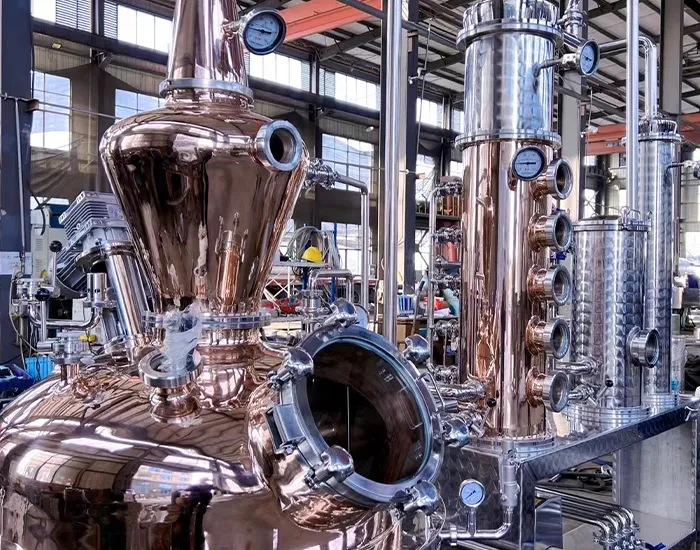
Distilled water is a type of purified water made through water distillation. In simple terms, it is created by boiling water and then condensing the steam back into liquid. Many minerals dissolved in water, salts, and some contaminants stay behind during this process.
The CDC explains that distillation can remove bacteria and many chemicals such as arsenic, barium, cadmium, chromium, lead, nitrate, sodium, sulfate, calcium, and magnesium, though it does not remove some volatile organic compounds, volatile solvents, and some pesticides.
So, distilled water is pure in one important way: it has gone through a process of removing stuff from water. But “pure” does not always mean “best for every daily use.” Water is water, yes. But the type of water matters depending on whether you drink it, use it in a machine, mix it into a beverage, or need it for cleaning.
Is Distilled Water Safe to Drink?
Yes, distilled water is safe to drink when it comes from a clean source and is stored correctly. WebMD also notes that distilled water is safe to drink, but it may taste flat because minerals such as calcium, sodium, and magnesium have been removed.
The main concern is not short-term safety. If you choose to drink distilled water for a short period, it will hydrate you. Distilled water is water, and your body can use it as fluid. But if it becomes your only source of drinking water for a long time, the lack of minerals becomes more important.
This is why the better question is not only “Is distilled water safe to drink?” A better B2B and consumer question is: “Is distilled water the right water for this use?” For daily drinking, many people prefer tap water, filtered water, spring water, or mineral water because they contain some natural or added minerals.
Why Do Many People Not Drink Distilled Water Every Day?
Many people do not drink distilled water every day because distilled water contains no minerals. During distillation, minerals from water are removed along with many unwanted substances. This makes the water very clean, but also very plain.
Minerals such as calcium and magnesium are commonly found in drinking water, especially in certain tap water and mineral water sources. The WHO reviewed the health questions around long-term use of demineralized water, including water produced by processes that remove minerals.
Another reason is taste. Distilled water tastes flat because the minerals that give water its familiar taste are gone. For beverage producers, this matters a lot. Water taste can affect beer, kombucha, cider, cold brew coffee, distilled spirits dilution, and other beverage formulas.
What Are the Risks of Drinking Distilled Water Long-Term?
The risks of drinking distilled water long-term are mainly linked to relying on water with no minerals as your only water source. Distilled water contains no electrolytes, so drinking only distilled water may not provide the small mineral contribution that some people get from regular water supplies.
The WHO publication on nutrients in drinking water was created to examine possible health consequences of long-term consumption of waters made or modified to add or remove minerals. This does not mean a glass of distilled water is dangerous. It means long-term water composition deserves attention.
In plain words: drinking distilled water exclusively may not be the best choice if your diet is also low in minerals. Most people get minerals from food, not only water. But water low in calcium and magnesium may not be ideal as the only daily water source for everyone.
Distilled Water vs Tap Water: What Is the Difference?
Tap water usually comes from municipal water or a local water source. In the United States, public water systems must meet EPA safe water standards, and utilities treat water to remove harmful germs and chemicals.
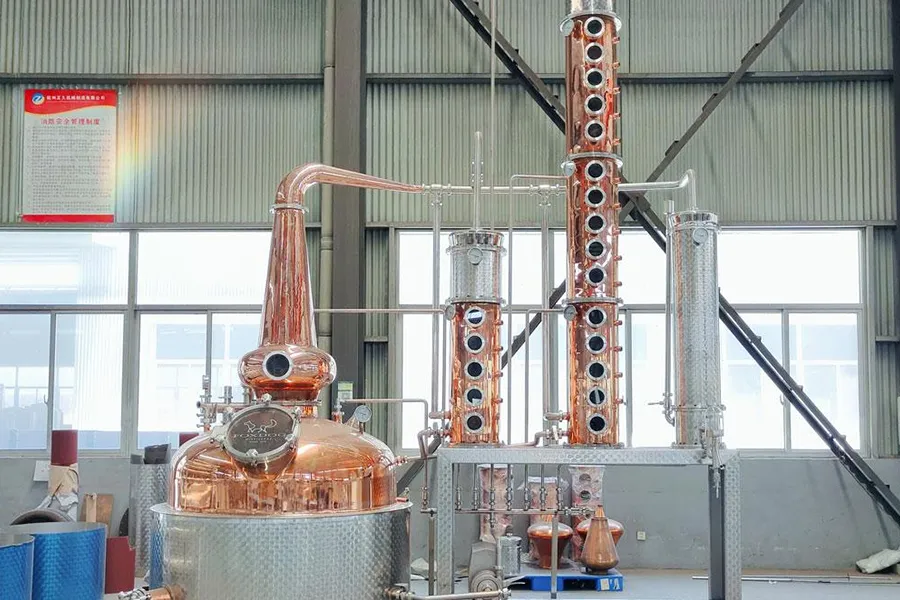
Distilled water is different. Distilled water is created by boiling the water into steam and condensing it. This process removes many dissolved minerals and many contaminants, but it is not the same as normal municipal water treatment.
| Water Type | Main Feature | Common Use |
|---|---|---|
| Tap water | Treated municipal or local water | Daily drinking, cooking, washing |
| Distilled water | Very low minerals after distillation | Lab use, machines, special applications |
| Filtered water | Passed through a water filter | Drinking water, better taste |
| Mineral water | تحتوي على معادن طبيعيًا أو حسب المصدر | الشرب وتفضيلات المذاق |
| Purified water | Treated to reduce impurities | الشرب وإنتاج المشروبات والمعالجة |
بالنسبة لمعظم المنازل، تكون مياه الصنبور أو مياه الصنبور المفلترة أكثر شيوعًا للشرب اليومي. أما بالنسبة للآلات الخاصة والمختبرات وبعض الاستخدامات الإنتاجية، فقد تكون المياه المقطرة أفضل.
الماء المقطر مقارنةً بالماء المنقى والماء المفلتر والمياه المعدنية
المياه المنقاة مصطلح واسع. يمكن إنتاجها بالتقطير أو التناضح العكسي أو نزع الأيونات أو بطرق أخرى لتنقية المياه. لذلك، ليست المياه المنقاة دائمًا مياه مقطرة، لكن المياه المقطرة نوع من المياه المنقاة.
يمر الماء المفلتر عادةً عبر فلتر مياه. وبحسب نوع الفلتر، قد يحسن المذاق أو يقلل الكلور أو يزيل ملوثات محددة. لكن ليست كل الفلاتر تزيل المواد نفسها، لذا ينبغي للمشترين التحقق من مواصفات الفلتر.
تحتوي المياه المعدنية على معادن وغالبًا ما يكون مذاقها أقوى. يفضل بعض المستهلكين المياه المعدنية أو مياه الينابيع لأنها تبدو أكثر طبيعية. يفضل آخرون الماء المنقى لأن مذاقه أنقى. يعتمد الخيار الأفضل على مصدر المياه والاستخدام والمذاق ومستوى السلامة المستهدف.
متى ينبغي استخدام الماء المقطر؟
يكون استخدام الماء المقطر منطقيًا عند الحاجة إلى ماء منخفض المعادن. ويُستخدم الماء المقطر غالبًا في المكواة، وأجهزة ترطيب الهواء، وبعض البطاريات، والأعمال المخبرية، وبعض عمليات التنظيف، والمعدات الخاصة التي قد يسبب فيها تراكم المعادن مشكلات.
توصي إرشادات CDC أيضًا باستخدام الماء المقطر أو المعقم، أو ماء الصنبور المغلي والمبرّد، لغسل الجيوب الأنفية بدلًا من استخدام ماء الصنبور مباشرةً من الحنفية. وهذا يوضح نقطة أساسية: الماء المقطر ليس «سيئًا». فهو مفيد جدًا عندما يتطلب الاستخدام ماءً أنظف أو أكثر تحكمًا.
تشمل الاستخدامات الشائعة للماء المقطر ما يلي:
الاختبارات المخبرية
المكاوي البخارية
أجهزة ترطيب الهواء
بعض الاستخدامات الطبية أو المتعلقة بالنظافة الصحية
صيانة البطاريات
تنظيف المعدات
Certain beverage and process applications
إعداد خلطات مياه مضبوطة
لذا، لا تتمثل المسألة في ما إذا كان بإمكان الناس استخدام الماء المقطر، بل في ما إذا كان ينبغي أن يكون مصدر مياه الشرب الرئيسي طويل الأمد في الحياة اليومية.
هل يمكنك صنع الماء المقطر في المنزل؟
نعم، يمكنك صنع الماء المقطر في المنزل باستخدام جهاز تقطير المياه. يسخّن جهاز تقطير المياه الماء حتى يتحول إلى بخار، ثم يبرّد البخار ليعود إلى سائل. وهذه هي الفكرة الأساسية نفسها للتقطير الصناعي، ولكن على نطاق أصغر.
ومع ذلك، فإن التخزين مهم. فقد يتلوث الماء النظيف إذا كانت الحاوية متسخة. وتشير CDC أيضًا إلى أن البكتيريا قد تنمو على ملفات التبريد في نظام التقطير عند عدم استخدام النظام.
إذا كنت تستخدم مقطر مياه، فنظّف الجهاز، وخزّن الماء في حاويات نظيفة، واتبع تعليمات الشركة المصنعة. قد يبدو الماء صافيًا ومع ذلك لا يكون قد تم التعامل معه بأمان. تشمل المعالجة الجيدة للمياه كلاً من التنقية والتخزين النظيف.
How Does Water Quality Matter in Beverage Production?
بالنسبة لمنتجي المشروبات، الماء ليس مجرد ماء، بل هو مكوّن أساسي. ففي البيرة، يمكن أن تؤثر معادن الماء في كيمياء الهرس وأداء الخميرة وقوام الفم والنكهة. وفي الكمبوتشا وعصير التفاح المخمر والقهوة الباردة وتخفيف المشروبات الروحية المقطرة، يمكن لجودة المياه أن تغيّر المذاق النهائي.
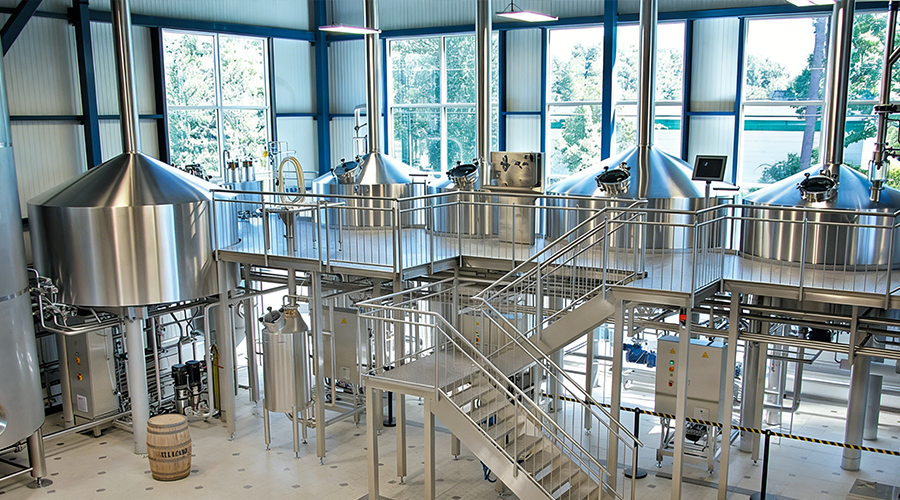
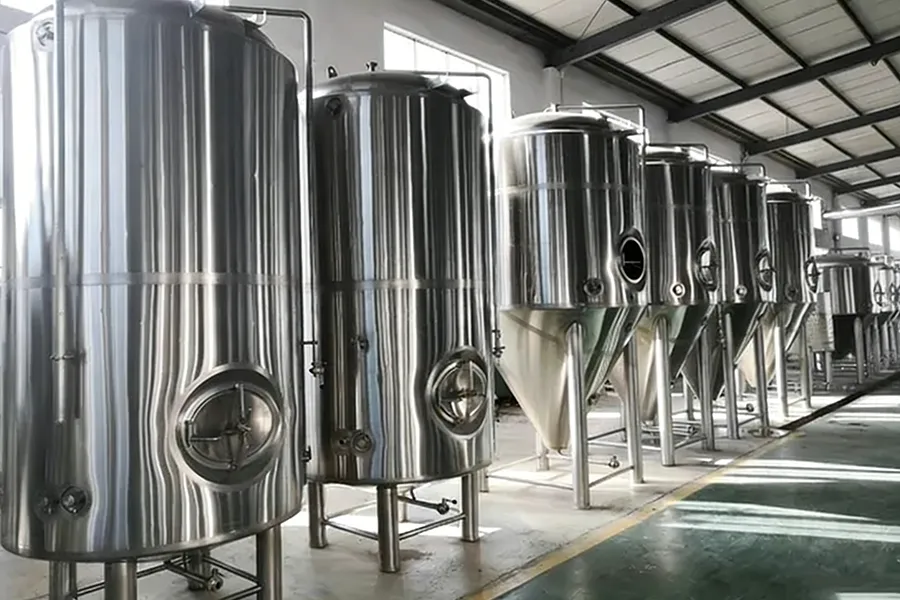
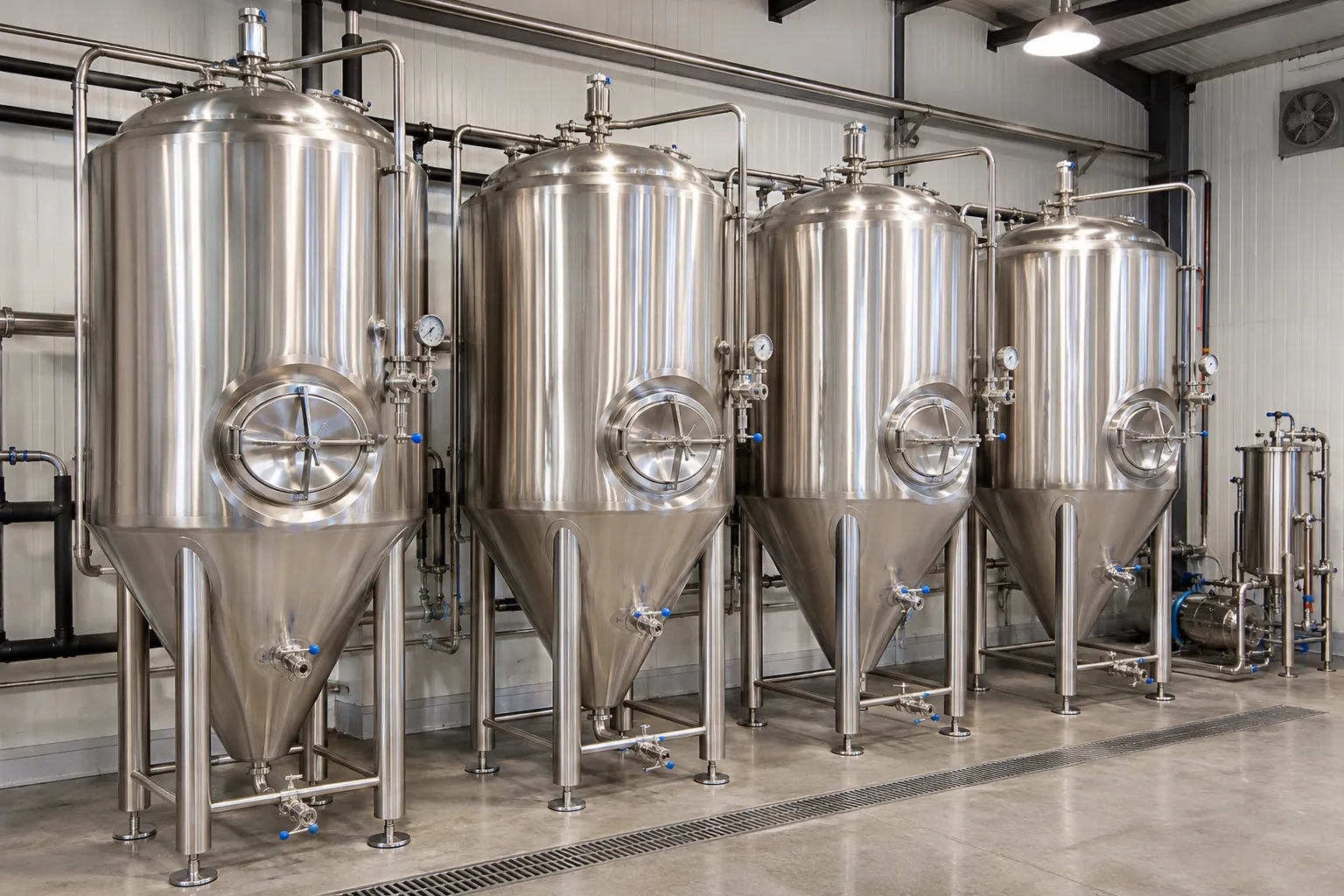
بصفتنا مصنعًا محترفًا لمعدات مصانع الجعة والمشروبات، نوفر أنظمة تخمير مخصصة من الفولاذ المقاوم للصدأ، وخزانات تخمير، وأنظمة مصانع الجعة، وحلول مصانع جعة متكاملة لعملاء B2B حول العالم. وفي هذه المشاريع، يمكن لمعالجة المياه أن تدعم أداء تخمير مستقرًا، وجودة مشروبات قابلة للتكرار، وتخطيطًا أكثر أمانًا للإنتاج.
في إنتاج المشروبات، قد يستخدم المنتجون طرقًا مختلفة لمعالجة المياه:
| Water Treatment Method | لماذا يستخدمه المنتجون |
|---|---|
| الترشيح بالكربون | Reduces chlorine and improves taste |
| التليين | يضبط العسر والترسبات الكلسية |
| نظام RO | Produces low-mineral process water |
| التعقيم بالأشعة فوق البنفسجية | يساعد على التحكم في الكائنات الحية الدقيقة |
| تعديل المعادن | يضبط التركيبة المستهدفة للمياه |
| التقطير | تطبيقات خاصة للمياه منخفضة المعادن |
بالنسبة إلى مصانع الجعة الحرفية، ومصانع النبيذ، ومنتجي السيدر، ومنتجي الكمبوتشا، ومنتجي القهوة المحضرة على البارد، ومصانع التقطير، فإن أفضل ماء هو الماء الذي يتوافق مع الوصفة والعملية.
How Should B2B Beverage Producers Choose Water Treatment Equipment?
B2B beverage producers should not choose water treatment equipment only by price. They should first test the local water. Then they should match the water treatment system to the product, capacity, and cleaning process.
A practical checklist includes:
1.Test the water source
Check hardness, alkalinity, chlorine, TDS, iron, manganese, microbes, and taste.
2.Define the beverage type
Beer, kombucha, cider, wine, spirits, and cold brew coffee may need different water profiles.
3.Choose the right water treatment
A water filter, RO system, UV unit, softener, or mineral dosing system may be needed.
4.Protect equipment
Good water treatment can reduce scale in boilers, heat exchangers, CIP systems, and stainless steel tanks.
5.Plan production growth
A beverage startup may begin small, but a commercial brewery needs room to expand.
6.Connect water and process layout
Water treatment should match brewhouse systems, fermentation tanks, CIP, packaging, and utilities.
For global B2B customers, turnkey planning reduces risk. A good equipment partner should understand stainless steel equipment, production layout, water treatment, installation support, and long-term service.
Should Beverage Producers Drink Distilled Water or Use It in Production?
For daily human drinking, many people prefer tap water, filtered water, or mineral water. But in beverage production, distilled or demineralized water may be useful as a blank base that can be adjusted.
For example, a brewery may use RO or low-mineral water and then add minerals back to create a stable water profile. A distillery may use controlled water for proofing spirits. A cold brew coffee producer may adjust minerals for better extraction and taste.
So, distilled water could be useful in production, but it is not always ready-to-use recipe water. Beverage quality depends on balance. Sometimes removing minerals is the first step. Adding the right minerals back may be the second step.
FAQs About Drinking Distilled Water
Can you drink distilled water?
Yes, you can drink distilled water if it is properly produced and stored. It is generally safe to drink, but many people do not use it as their main long-term drinking water because it lacks minerals and tastes flat.
Why do people say not to drink distilled water?
People usually say this because distilled water contains no minerals or electrolytes. Drinking only distilled water for a long time may not be ideal, especially if a person’s diet is also low in minerals.
Is distilled water better than tap water?
Not always. Distilled water is very low in minerals and many impurities. Tap water may contain minerals and is commonly used as a source of drinking water when it meets local safety standards. The better choice depends on water quality and purpose.
Is distilled water the same as purified water?
Distilled water is a type of purified water, but not all purified water is distilled. Purified water may be treated by reverse osmosis, filtration, deionization, or other methods.
Can distilled water be used in beverage production?
Yes. Distilled or low-mineral water can be useful in some beverage production processes, especially when producers want controlled water chemistry. However, many beverages need mineral adjustment for taste and process stability.
What is the best water to drink every day?
For most people, safe tap water, filtered water, or mineral water can be suitable for daily drinking. People with special health needs should follow advice from a qualified health professional or local public health authority.
Key Takeaways
You can drink distilled water, and it is generally safe when properly produced and stored.
Many people do not drink distilled water every day because it has no minerals and may taste flat.
The main concern is distilled water long-term use as the only drinking water source.
Distillation removes many contaminants, but it does not remove every volatile chemical.
Tap water, filtered water, purified water, mineral water, and distilled water all have different uses.
Distilled water is often useful for machines, labs, cleaning, and controlled production processes.
For beverage production, water quality affects taste, stability, equipment protection, and final product quality.
B2B beverage producers should test their water before choosing water treatment equipment.
A turnkey beverage equipment supplier can help connect water treatment, brewing systems, fermentation tanks, CIP, utilities, and production layout.
The best water is not always the “purest” water. It is the water that fits the purpose.