Stored water can look clean but still become unsafe. Heat, sunlight, dirty containers, loose lids, and poor maintenance can turn a useful water reserve into a risk. The good news: with the right water storage method, you can keep water safer for longer.
For most self-filled containers or a water storage tank, replace the water every 6 months. Commercial bottled water should follow the printed expiration date. If water is stored in a clean, sealed, food-grade tank, kept cool, and protected from sunlight and chemicals, it can stay usable longer, but it should still be inspected, rotated, and tested regularly. CDC recommends replacing self-filled stored water every six months.
مخطط المقال
- How long will water last in a water storage tank?
- What makes stored water go bad?
- How does tank material affect water quality?
- How much emergency water should you store?
- Can tap water be stored safely?
- How do you sanitize a water tank before filling it?
- When should bleach or chlorine be used?
- How should you check the tank during storage?
- What is the difference between potable and non-potable water?
- What should B2B buyers consider when choosing a storage tank?
How Long Will Water Last in a Water Storage Tank?
The simple answer is this: self-filled stored water should usually be replaced every 6 months. This applies to water you place in water containers, drums, or a home water tank for later use. Store-bought bottled water is different. For that, follow the expiration date printed on the package. CDC also recommends labeling stored water as “drinking water” and writing the storage date on the container.
Water itself does not “spoil” like milk. But the system around it can fail. Dust can enter. Heat can help microbes grow. Light can support algae. Old plastic can degrade. A loose cap can invite contamination. So the real question is not only “how long can water last?” It is also “how clean is the storage tank, how good is the seal, and how well is it maintained?”
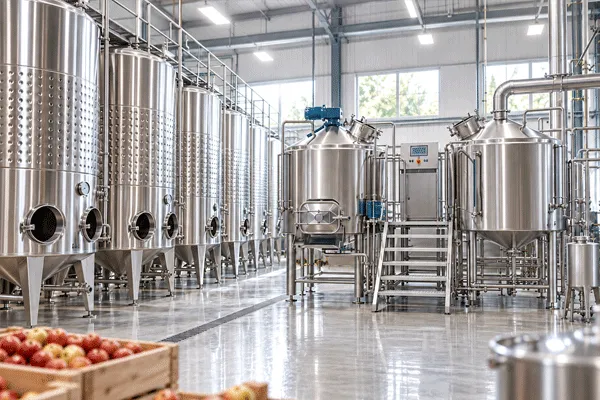
For homes, farms, beverage startups, breweries, and industrial sites, the safe approach is the same: start with a clean source of water, use a sanitary tank, keep it closed, and rotate the water on a schedule. In our work with stainless steel beverage and brewing tanks, we see this rule again and again: clean design makes safe storage easier.
What Makes Water Stored in a Tank Become Unsafe?
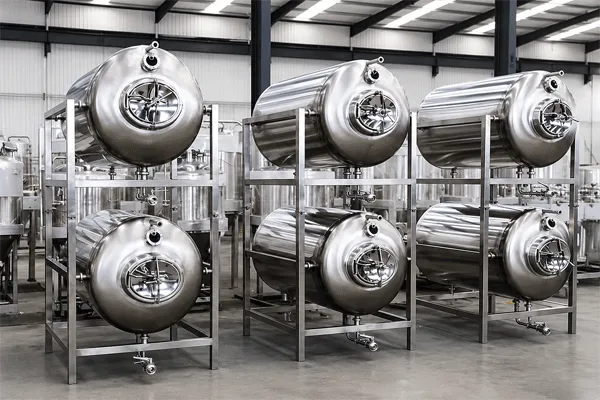
The biggest risks are contamination, heat, sunlight, poor sealing, dirty fittings, and old water left without inspection. Even a full tank can develop issues if the lid, vent, valve, or outlet is not protected. Water systems are only as clean as their weakest point.
Common problems include:
- Sediment at the bottom of the tank
- Bad smell or odd taste
- Cloudiness
- Algae growth from direct light
- Biofilm on tank walls or piping
- Insects or dust entering through vents
- Chemical exposure from nearby fuel, pesticides, or cleaners
CDC advises keeping stored containers in a cool place, away from direct sunlight and away from toxic substances such as gasoline or pesticides. That matters because environmental factors around the tank can affect whether the water remains safe to drink.
Here is a simple way to think about it:
| Storage Condition | Expected Risk Level | What to Do |
|---|---|---|
| Clean, sealed, cool, dark storage | Low | Rotate every 6 months |
| Warm room or outdoor shade | Medium | Inspect often and test if needed |
| Direct sunlight or high heat | High | Move or protect the tank |
| Open lid, poor vent, dirty outlet | Very high | Drain, clean, sanitize, refill |
| Unknown water source | Very high | Treat or test before use |
How Does Tank Material Affect Water Quality and Tank Lifespan?
The tank material matters a lot. Food-grade polyethylene, stainless steel, lined steel, fiberglass, and underground concrete tanks can all be used in different water storage projects. Each material has its own useful life, cleaning needs, and limits.
For drinking water, use food-grade materials. CDC says FDA-approved food-grade storage containers are best because they will not transfer toxic substances into the water. It also warns not to use containers that once held toxic chemicals like bleach or pesticides.
Here is a practical comparison:
| Type of Tank | Strengths | Watch-Outs |
|---|---|---|
| Food-grade polyethylene | Lightweight, common, cost-effective | Protect from UV exposure and impact |
| Stainless steel | Sanitary, durable, resistant to corrosion when properly specified | Higher upfront cost |
| Metal tanks | Strong for large capacity | Need proper lining/coating to avoid rust |
| Underground concrete tanks | Stable temperature, large capacity | Need sealing, inspection, and cleaning |
| Used containers | Cheap | Risky unless original use is fully known |
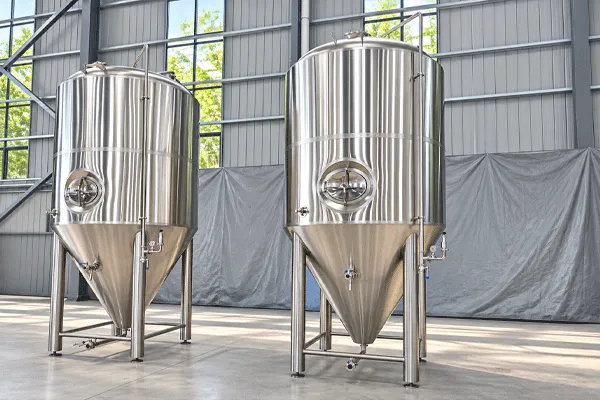
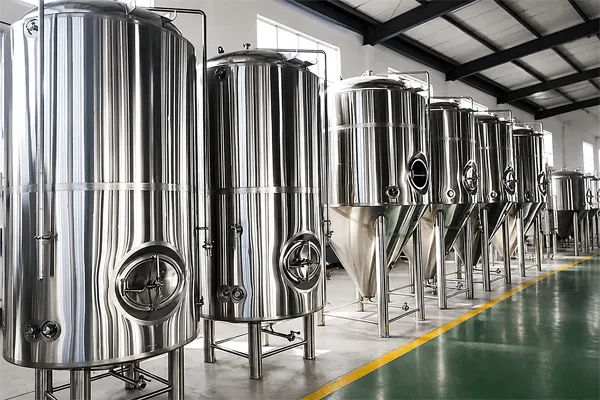
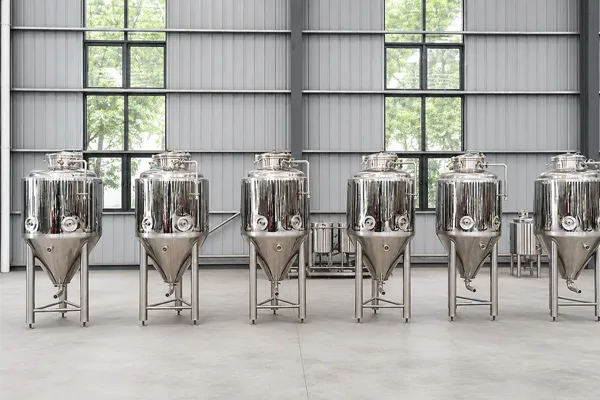
For B2B beverage and brewery projects, stainless steel is often preferred because it supports sanitary welding, smooth interiors, clean drainage, and easier disinfection. That is why fermentation tanks, brewhouse systems, and many potable water support tanks use stainless steel. A clean inner surface makes regular maintenance less painful. Tiny cracks and rough seams? Those are troublemakers.
How Much Emergency Water Should You Store?
For emergency water storage, CDC recommends storing at least 1 gallon of water per person per day for 3 days. It also suggests trying to store a 2-week supply if possible, and storing more for hot climates, pets, pregnant people, or people who are sick.
That means the amount of water depends on your use case. A family needs one plan. A brewpub, taproom, kombucha plant, cidery, or beverage production site needs another. For household usage, the basic rule is simple. For commercial operations, you must include cleaning, processing, cooling, staff use, and backup needs.
| Scenario | Basic Planning Rule |
|---|---|
| Home emergency supply | 1 gallon per person per day |
| 4 people for 3 days | 12 gallons total |
| 4 people for 14 days | 56 gallons total |
| Metric estimate | 1 gallon is about 3.8 litre |
| Beverage or brewery site | Calculate by process demand, CIP, cleaning, and backup time |
So, do you have enough water? Start with the number of people, then add the daily water needed for cooking, cleaning, production, and sanitation. For water per person, the minimum is survival-focused. Real operations often need much more.
Can Tap Water Be Stored Safely in a Water Tank?
Yes, tap water from public water supplies can usually be stored if it goes into a clean, sanitized, tightly sealed container. But you still need to rotate it. CDC says to replace water every six months when filling containers yourself.
Public water is often treated with chlorine, which helps protect it for a time. But once it sits in a tank, the protection can fade. Heat, air, sediment, and dirty surfaces can reduce safety. This is why “treated at the start” does not mean “safe forever.”
For large stainless steel water tanks used in beverage plants, I suggest a written plan:
- Fill only from a trusted water source
- Use sanitary inlet and outlet fittings
- Keep the tank closed
- Avoid dead corners in piping
- Inspect vents and seals
- Test water quality on a schedule
- Rotate or refresh water before it becomes stale
Good water storage is not magic. It is boring, repeatable care. And boring is beautiful when safety is involved.
How Do You Sanitize a Water Storage Tank Before Filling It?
Before filling a storage container, CDC recommends washing it with soap, rinsing it, then sanitizing it with a solution made from 1 teaspoon of unscented household chlorine bleach in 1 quart of water. The container should be covered, shaken so the solution touches all inside surfaces, left for at least 30 seconds, then drained and air-dried before filling.
For small water containers, this is simple. For a large storage tank, the same idea applies, but the process must be scaled and controlled. You may need spray balls, CIP lines, manways, drain valves, and inspection ports. In a brewery or beverage plant, we normally think about cleanability before the tank is built.
A sanitary tank should make it easy to:
- Drain fully
- Avoid hidden liquid pockets
- Remove sediment
- Inspect inside surfaces
- Sanitize after cleaning
- Keep water safe after filling
For stainless steel brewing systems and potable water tanks, smooth welds and proper slopes are not small details. They decide whether cleaning is easy or a weekly headache.
When Should Bleach or Chlorine Be Used for Disinfection?
Bleach is useful when you need to disinfect water in an emergency, but it must be used correctly. EPA says to use regular, unscented household chlorine bleach suitable for disinfection. For clear water, EPA lists 8 drops of 6% bleach or 6 drops of 8.25% bleach for one gallon of water, then stir and let it stand for 30 minutes. If the water is cloudy, colored, or very cold, double the amount.
Older advice often says 8 drops of bleach per gallon of water. That is why concentration matters. Modern chlorine bleach may have different sodium hypochlorite levels. Read the label. Do not use scented bleach, splashless bleach, color-safe bleach, or bleach with added cleaners. EPA also notes that boiling or disinfection kills many disease-causing organisms, but it does not remove heavy metals, salts, or most chemicals.
Quick guide:
| Water Condition | Action |
|---|---|
| Clear but unsafe | Disinfect with correct bleach dose |
| Cloudy water | Let settle, filter through clean cloth, then disinfect |
| Chemical smell or oil sheen | Do not drink; disinfection may not fix it |
| Boil advisory | Follow local authority instructions |
| Strong chlorine taste | Move between clean containers and let stand |
Bleach per gallon of water is not a guessing game. Use the right amount. Too little may fail. Too much can be unpleasant or unsafe.
How Should You Check the Tank During Storage?
You should regularly check the tank, even if nobody has used the water. A stored system can change quietly. Look for cloudiness, smell, sediment, insects, damaged seals, cracked lids, UV damage, leaks, and rust. If the tank water looks wrong, do not assume it is safe.
A monthly visual check is a good habit. A deeper inspection every few months is better for commercial sites. For tanks used in beverage, brewery, kombucha, winery, distillery, or cold brew coffee production, water quality affects the final product. Bad water can ruin flavor, damage equipment, and delay production. Small issue, big mess.
Use this maintenance checklist:
| Checkpoint | What to Look For |
|---|---|
| Lid and seal | Tight, clean, no cracks |
| Vent | Screened and protected |
| Tank wall | No slime, rust, or biofilm |
| Outlet valve | Clean and capped |
| Water appearance | Clear, no cloudiness |
| Smell | No sour, musty, or chemical odor |
| Date label | Replace water on time |
| Surrounding area | No chemicals nearby |
If you find problems, drain the tank, clean it, disinfect it, and refill it with safe water. Do not “top off” a dirty tank. That just dilutes the problem and lets it keep living rent-free.
What Is the Difference Between Potable and Non-Potable Water?
Potable water means water safe to drink, cook with, brush teeth with, and use for prepared drinks. Non-potable water is not safe for drinking. It may still be used for flushing, irrigation, fire protection, or some cleaning tasks, depending on local rules and the specific water condition.
EPA says that during an emergency, only properly disinfected water should be used for drinking, cooking, prepared drinks, washing dishes, and brushing teeth. That is an important line. Water can look clear and still be unsafe.
For B2B facilities, always label tanks clearly:
- Drinking water
- Process water
- Fire water
- Cleaning water
- Non-potable water
This prevents mistakes. In beverage production, the wrong connection can contaminate a batch. Clear labels, separated piping, and sanitary valves are not fancy extras. They are risk control.
What Should B2B Buyers Consider When Choosing a Water Storage Tank?
For craft breweries, microbreweries, beverage startups, wineries, cideries, distilleries, kombucha producers, and engineering contractors, a tank is not just a container. It is part of the production plan. The right water tank supports stable brewing performance, clean production, reliable installation, and long-term service.
When we design stainless steel brewing systems and turnkey brewery solutions, we look beyond tank size. We ask:
- What is the daily water demand?
- Is the tank for process water, drinking water, cleaning, or backup?
- What tank size supports peak production?
- Does the site need a buffer for natural disasters or supply cuts?
- Is the water stored indoors or outdoors?
- Will UV, heat, or freezing affect the tank?
- Does the system need pumps, filters, UV treatment, or dosing?
- How will the team clean and sanitize the tank?
A good tank can last for years when the material, installation, maintenance, and cleaning plan match the job. A poor design can create delays, bad batches, and hidden costs. The tank can last longer when it is easy to inspect, drain, and clean.
Practical Example: Planning Water Storage for a Small Beverage Plant
Let’s say a small beverage startup wants backup water for 3 days. The team has 8 staff, plus production and cleaning needs. The human emergency supply alone would be:
| Need | Calculation | Result |
|---|---|---|
| Staff emergency water | 8 people × 1 gallon × 3 days | 24 gallons |
| Basic cleaning reserve | Site-specific | To be calculated |
| Production reserve | Based on recipe and batch size | To be calculated |
| Tank reserve | Add safety margin | Recommended |
For a brewery, brewpub, or cold brew coffee producer, the bigger number is often not drinking water. It is process and cleaning water. That is why capacity planning matters. Too small, and the tank is only symbolic. Too large, and water may sit too long without turnover.
A stainless steel tank with proper drainage, sanitary fittings, and a clear maintenance plan gives operators more control. It also supports stable beverage quality. That is the quiet part of good production: fewer surprises.
FAQs
How long can water be stored in a water tank?
Self-filled water should usually be replaced every 6 months. Store-bought bottled water should follow the printed expiration date. A clean, sealed, cool tank can help protect water, but storage time still depends on cleanliness, temperature, light exposure, and maintenance.
Is water stored for a year safe to drink?
Not automatically. If it was self-filled and not tested or rotated, it should not be assumed safe. Check the tank, look for cloudiness, odor, sediment, or contamination, and follow local health guidance. When in doubt, use properly treated or fresh safe water.
Can I use plastic containers for emergency water?
Yes, but use food-grade plastic containers when possible. CDC recommends FDA-approved food-grade storage containers and warns against containers previously used for toxic chemicals.
Should I add bleach before storing water?
Not always. If your water comes from a treated public supply and goes into a clean, sanitized container, extra bleach may not be needed. Bleach is commonly used for emergency disinfection when water safety is uncertain. Follow EPA dosing instructions based on bleach concentration.
Can boiled water be stored?
Yes. EPA says boiled water should cool naturally and be stored in clean containers with covers. Boiling can kill many disease-causing organisms, but it does not remove chemical contaminants such as heavy metals, salts, or most chemicals.
What is the best tank for potable water in a beverage plant?
For many beverage and brewery projects, stainless steel is a strong choice because it is sanitary, durable, cleanable, and suitable for hygienic production layouts. The best type of tank still depends on capacity, water source, installation space, cleaning method, and budget.
Key Takeaways
- Replace self-filled stored water every 6 months.
- Follow the expiration date for commercial bottled water.
- Store at least 1 gallon per person per day for emergency use.
- Keep water cool, sealed, labeled, and away from sunlight and chemicals.
- Use food-grade containers for drinking water.
- Do not reuse containers that held toxic chemicals.
- Clean and sanitize tanks before filling.
- Use bleach only with the correct dose and correct concentration.
- Check the tank for sediment, odor, leaks, biofilm, and cloudiness.
- For breweries and beverage plants, choose sanitary tank design, proper tank size, reliable installation, and regular maintenance to protect production and water quality.