
Réservoir de fermentation Kombucha
Cuves de fermentation en acier inoxydable pour une activité SCOBY stable et une production de kombucha à grande échelle
ZPET Cuves de fermentation pour kombucha sont conçus pour les producteurs qui ont besoin d'une fermentation microbienne stable, de conditions de traitement hygiéniques et d'une capacité flexible pour la production artisanale et commerciale de kombucha. Ils sont largement utilisés dans les opérations de brassage de kombucha artisanal, la production commerciale de boissons probiotiques, les usines de traitement de thé fonctionnel, les lignes de boissons fermentées à faible teneur en alcool et les systèmes de fermentation pour la recherche et le développement. Avec des capacités personnalisables de 200L à 30 000L, Grâce à leur construction en acier inoxydable résistant aux acides, à leur conception ouverte ou fermée et à leurs systèmes de refroidissement optionnels, ces cuves aident les producteurs à maintenir une acidité équilibrée, une saveur constante et une qualité de kombucha reproductible.
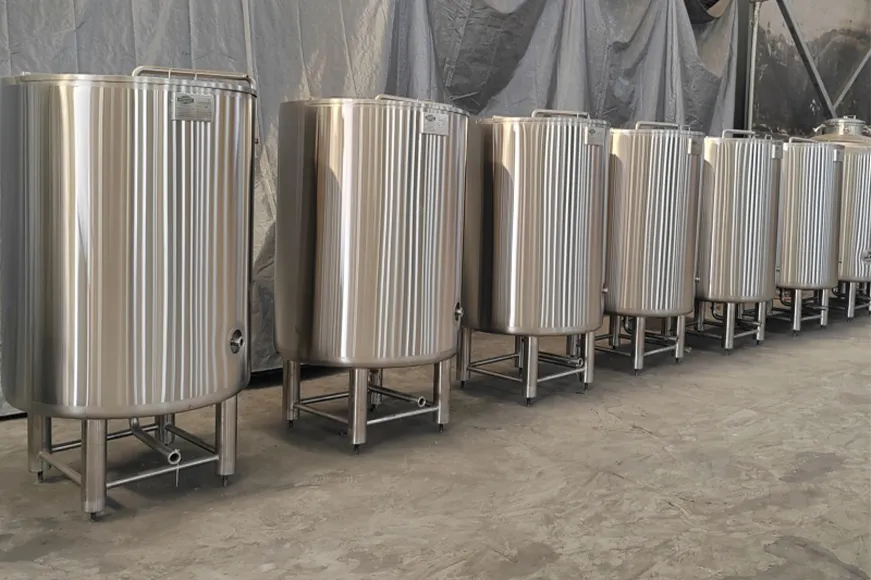
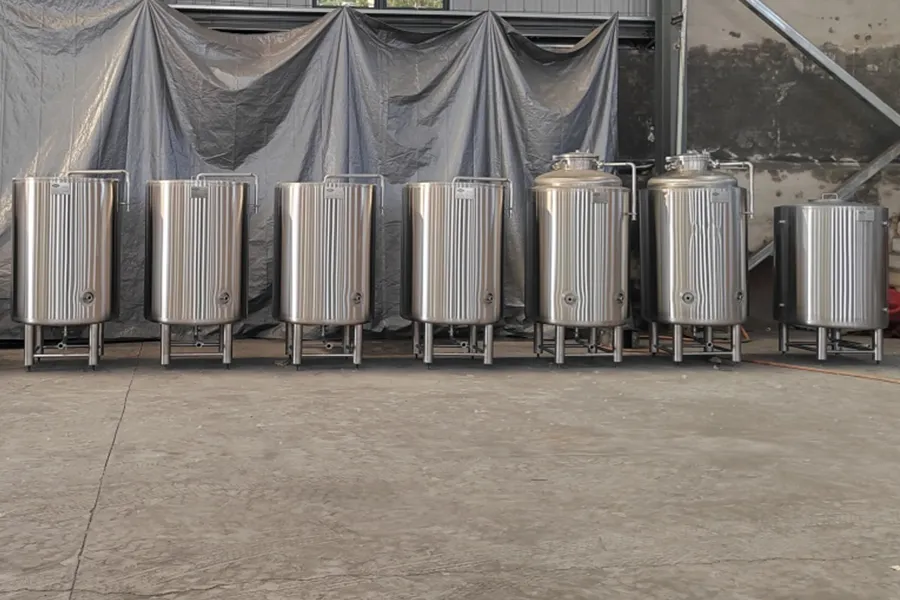
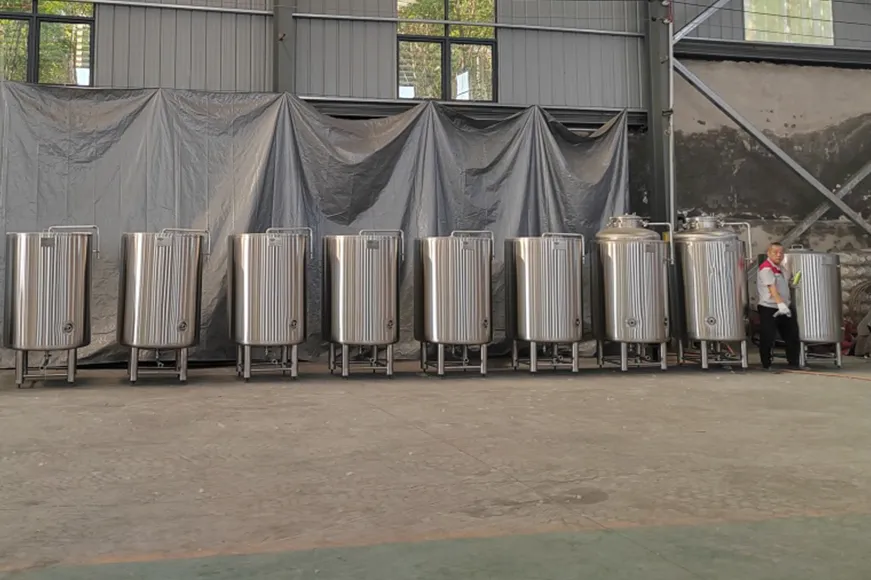
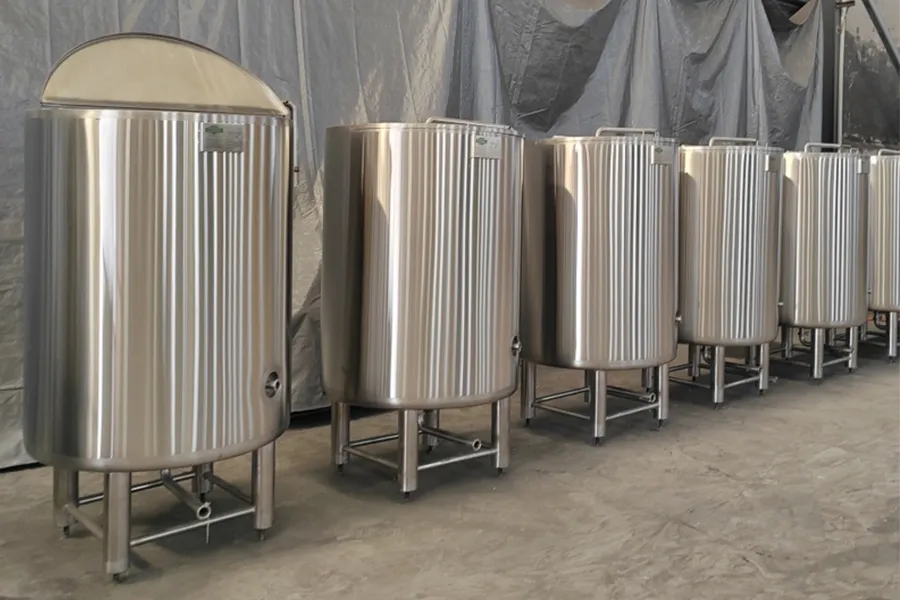
Caractéristiques principales du réservoir de fermentation de Kombucha
Construction en acier inoxydable résistant aux acides
Standard Acier inoxydable SUS304 pour une production hygiénique de kombucha
En option Acier inoxydable SUS316 pour une meilleure résistance aux acides
La surface intérieure non réactive contribue à protéger l'arôme du thé, l'équilibre de l'acidité et la stabilité des probiotiques.
Convient à la production de kombucha nature, de kombucha aromatisé, de base de kombucha dur et de thé fermenté fonctionnel.
Conçu pour une utilisation à long terme dans la fabrication de boissons en petites quantités ou à grande échelle
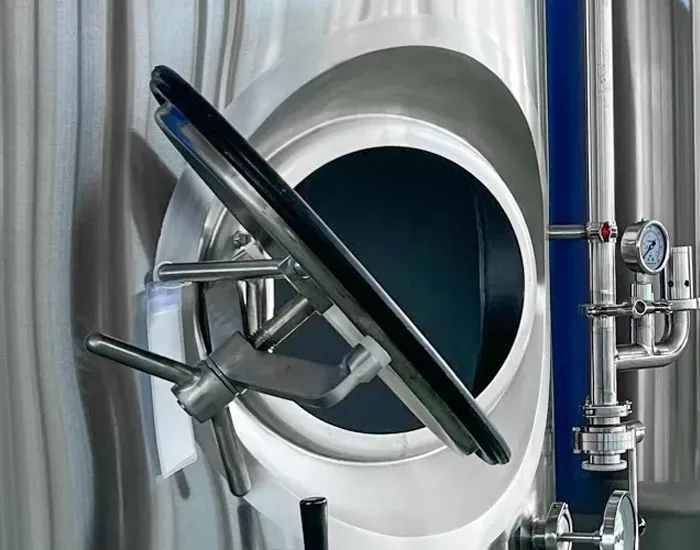
Conception de la fermentation ouverte ou fermée
Réservoirs à toit ouvert pour la fermentation aérobie traditionnelle du kombucha
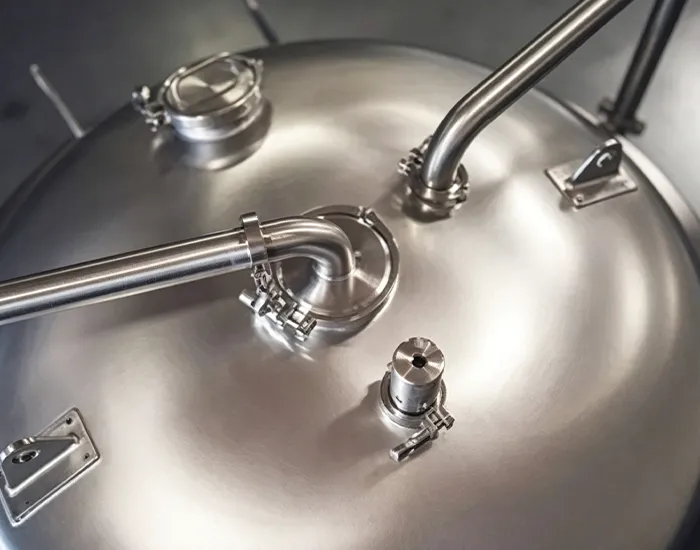
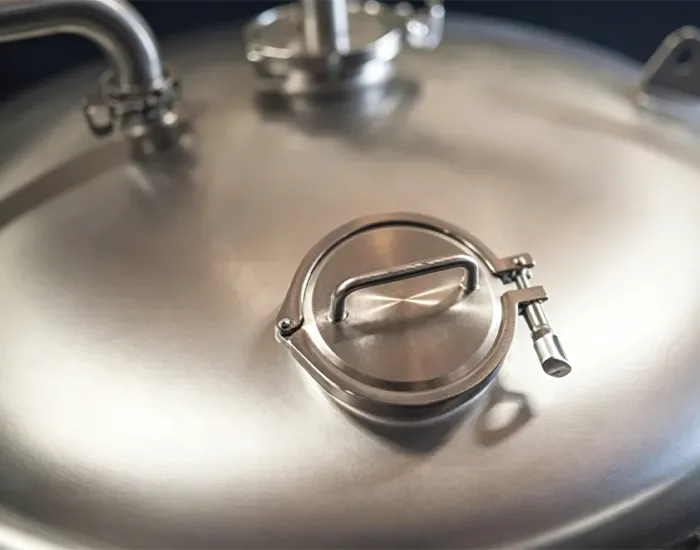
Réservoirs fermés pour des environnements de fermentation mieux contrôlés
En option couvertures respirantes ou soupapes d'air pour favoriser une activité saine des SCOBY
La conception flexible permet de répondre aux différentes préférences et méthodes de production de kombucha.
Convient à la fois à la fermentation artisanale et à la production commerciale plus standardisée.
Système de contrôle de la température
En option chemises de refroidissement aide à maintenir une température de fermentation stable
Aide à prévenir la surchauffe, la suracidification et le déséquilibre des saveurs.
Favorise un développement plus stable des SCOBY et la performance des probiotiques
Utile pour les cycles de fermentation courts et les programmes de traitement contrôlés plus longs
Permet d'améliorer la répétabilité des arômes sur plusieurs lots
Conception hygiénique et sanitaire
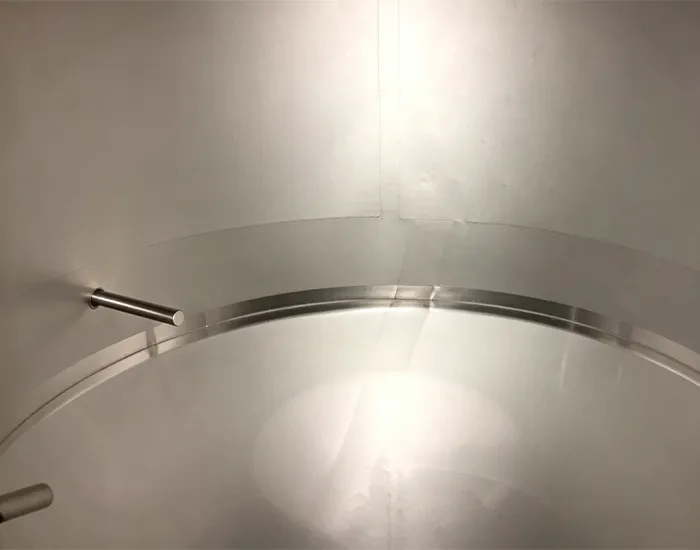
Finition de la surface intérieure de ≤0,4 μm
Soudures lisses sans angles morts
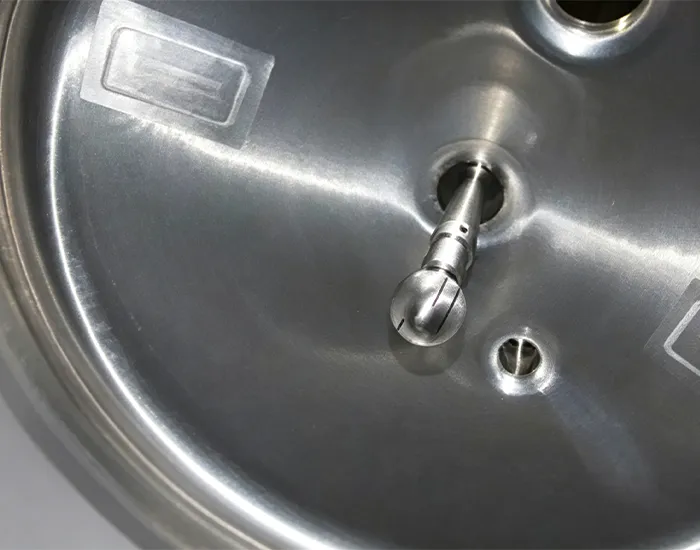
Entièrement Compatible CIP pour un nettoyage plus facile et plus reproductible
Contribue à réduire le risque de contamination et à améliorer la sécurité de la production de qualité alimentaire
Convient aux fabricants de boissons qui exigent une plus grande constance en matière d'hygiène
Spécifications
Spécifications techniques standard
| Objet | Spécifications |
|---|---|
| Plage de capacité | 200L - 30,000L (personnalisable) |
| Matériau | Acier inoxydable SUS304 / SUS316 |
| Type de réservoir | Ouvert / Fermé |
| Option de refroidissement | Enveloppe de refroidissement en option |
| Pression de conception | Atmosphérique |
| Finition de la surface intérieure | ≤0,4 μm |
| Isolation | En option |
Configurations optionnelles et personnalisation
Couvertures de fermentation respirantes pour le traitement aérobie du kombucha
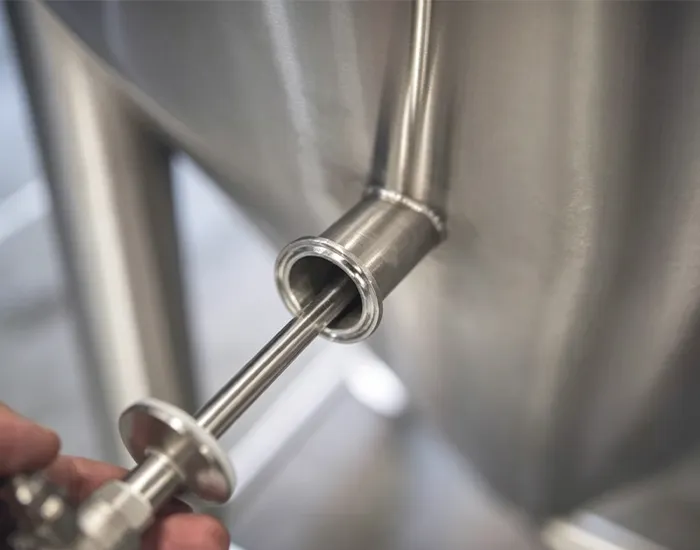
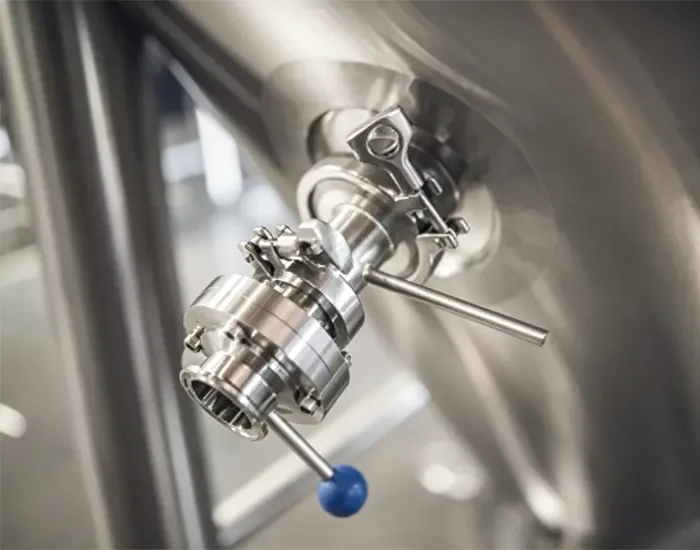
Vannes d'échantillonnage et ports pH pour faciliter l'observation des processus et le contrôle de la qualité
Chemises de refroidissement et capteurs de température pour une meilleure stabilité de la fermentation
Systèmes de mélange pour l'infusion d'arômes et la transformation de kombucha de spécialité
Surveillance de l'automate et suivi des lots pour la gestion de la production commerciale
Buses, raccords et dimensions du réservoir sur mesure pour différents agencements d'usine
Principaux avantages des cuves de fermentation de kombucha
Fermentation SCOBY stable
La conception du réservoir favorise une croissance saine du SCOBY et une activité microbienne équilibrée, aidant les producteurs à maintenir des performances de fermentation plus stables.
Consistance de l'arôme
Les conditions de fermentation contrôlées permettent d'éviter une acidité excessive, un déséquilibre des saveurs et des variations de fermentation indésirables d'un lot à l'autre.
Sécurité et hygiène alimentaires
La construction en acier inoxydable et la compatibilité CIP permettent de répondre aux normes d'hygiène des aliments et des boissons tout en réduisant le risque de contamination.
Production modulable
Disponible à l'adresse suivante 200L à 30 000L, Ces cuves conviennent aussi bien à la fermentation artisanale qu'à la production commerciale de kombucha en grande quantité.
Développement de produits flexibles
Le système prend en charge le kombucha nature, le kombucha aromatisé, la base dure de kombucha et le thé fermenté fonctionnel, ce qui permet aux producteurs de diversifier leur portefeuille de produits.
Aperçu du processus de fermentation du kombucha
Ce processus permet aux producteurs d'obtenir une acidité équilibrée, une stabilité des probiotiques et une qualité de boisson reproductible.
1. Garniture au thé sucré
Le thé préparé et la solution sucrée sont transférés dans la cuve de fermentation.
2. Introduction au SCOBY
Le SCOBY et le liquide de démarrage sont ajoutés pour commencer la fermentation.
3. Fermentation primaire
La fermentation contrôlée se déroule dans des conditions aérobies ou semi-contrôlées en fonction de la méthode de production.
4. Le contrôle
Des variables clés telles que pH, température et temps sont contrôlés afin d'assurer la stabilité de la fermentation et l'équilibre des saveurs.
5. Fermentation secondaire
Des variables clés telles que pH, température et temps sont contrôlés afin d'assurer la stabilité de la fermentation et l'équilibre des saveurs.
6. Transfert et conditionnement
Le kombucha fini est transféré pour la mise en bouteille, la mise en conserve ou le conditionnement ultérieur.
Automatisation et surveillance intelligente en option
Les Réservoir de fermentation Kombucha peut être configuré avec différents niveaux de surveillance et de contrôle en fonction de l'échelle de production et des objectifs de normalisation.
Contrôle manuel de base
Convient aux petites exploitations artisanales de kombucha et à la production pilote.
Surveillance numérique
Prend en charge :
suivi de la température
Observation du pH
amélioration de la supervision des processus
Surveillance de l'automate et suivi des lots
Prend en charge :
gestion des enregistrements par lots
un contrôle plus cohérent de la fermentation
une mise à l'échelle plus facile pour la production commerciale
une plus grande répétabilité sur plusieurs lignes d'arômes
Fabrication et contrôle de la qualité
Fabrication et contrôle de la qualité
Chaque cuve de fermentation de kombucha ZPET subit :
Soudage de précision et polissage des surfaces
Test d'étanchéité et inspection structurelle
Passivation pour la résistance à la corrosion
Contrôle final de la qualité avant expédition
Cela permet de garantir la durabilité, les performances hygiéniques et la conformité aux normes de production de boissons de qualité alimentaire.
FAQ - Questions courantes
1. Quels sont les produits qui peuvent être fabriqués dans une cuve de fermentation de kombucha ?
Ces réservoirs conviennent pour kombucha nature, kombucha aromatisé, base dure de kombucha, boissons fermentées à faible teneur en alcool et thés fermentés fonctionnels.
2. Pourquoi l'acier inoxydable est-il recommandé pour la fermentation du kombucha ?
L'acier inoxydable est hygiénique, facile à nettoyer, non réactif et mieux adapté à la fermentation commerciale reproductible que de nombreux matériaux traditionnels.
3. Ces cuves peuvent-elles être utilisées pour la fermentation ouverte traditionnelle ?
Oui. Des configurations ouvertes sont disponibles pour la fermentation aérobie SCOBY traditionnelle, et des options fermées sont également disponibles pour des environnements de production plus contrôlés.
4. Quelle est la gamme de capacités disponibles ?
Les cuves de fermentation de kombucha en ZPET sont disponibles auprès de 200L à 30 000L, Les projets peuvent être personnalisés en fonction de la taille du projet.
5. ZPET fournit-il une assistance technique et des services de personnalisation ?
Oui. ZPET propose une conception personnalisée des cuves, un soutien à la planification des processus, des suggestions d'agencement et un service technique après-vente pour les projets de kombucha artisanaux et commerciaux.
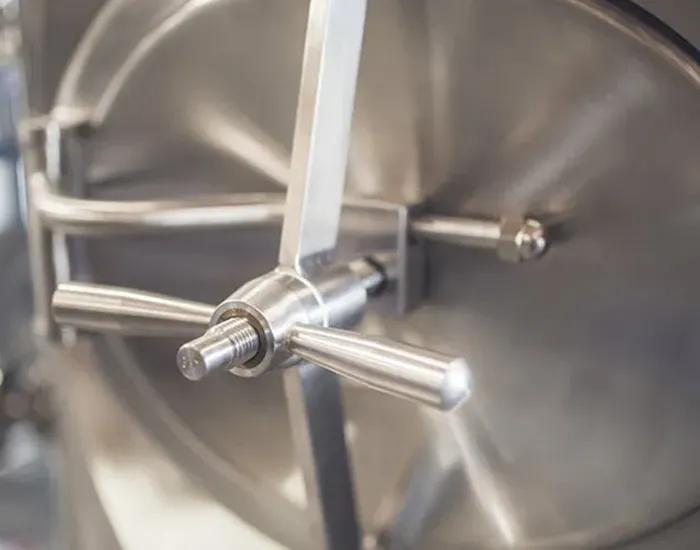
Détails du réservoir de fermentation de Kombucha
Pourquoi choisir les cuves de fermentation ZPET Kombucha ?
1. Plus de 15 ans d'expérience dans la fabrication d'équipements de fermentation
ZPET possède une vaste expérience dans la conception et la fabrication de cuves de fermentation en acier inoxydable pour les projets de kombucha, de brassage, de cidre, de vin et de boissons spéciales.
2. Fabrication fiable en acier inoxydable et performances de fermentation stables
Nous utilisons de l'acier inoxydable de haute qualité, un travail de précision et des normes d'inspection strictes pour garantir un fonctionnement hygiénique et une longue durée de vie.
3. Configuration flexible pour une utilisation artisanale et commerciale
Qu'il s'agisse de petits lots de kombucha artisanaux ou de grandes lignes de boissons commerciales, nous proposons des configurations de cuves adaptées aux différentes méthodes de fermentation et aux objectifs de production.
Plus de 200 brasseries et marques de boissons dans le monde entier lui font confiance
Des pionniers de l'artisanat aux leaders mondiaux de la boisson, nous sommes fiers d'être la force d'ingénierie à l'origine de leur succès.





Votre partenaire, du plan d'affaires à la première bière
Fondée en 2004, ZPET (Jinan Innovative & Craft Beer Equipment Co., Ltd.) est devenue un leader mondial dans le domaine de la bière. équipement de brassage personnalisé. Nous ne nous contentons pas de fabriquer des cuves, nous concevons des succès. Notre équipe de brasseurs et d'ingénieurs experts travaille en étroite collaboration avec vous pour vous fournir Plans de brasserie en 3D, Nous vous proposons des plans techniques personnalisés et des diagrammes de flux optimisés qui s'adaptent à l'empreinte unique de votre bâtiment. Avec plus de 200 installations réussies dans le monde entier, nous comprenons les nuances des normes internationales de brassage et des réglementations locales.
Mise en page en 3D
Empreinte au sol, flux de travail, services publics, sécurité.
Dessins techniques
Buses, regards, tuyauteries, commandes.
Organigrammes
Clarté du processus, de l'empâtage à l'emballage.

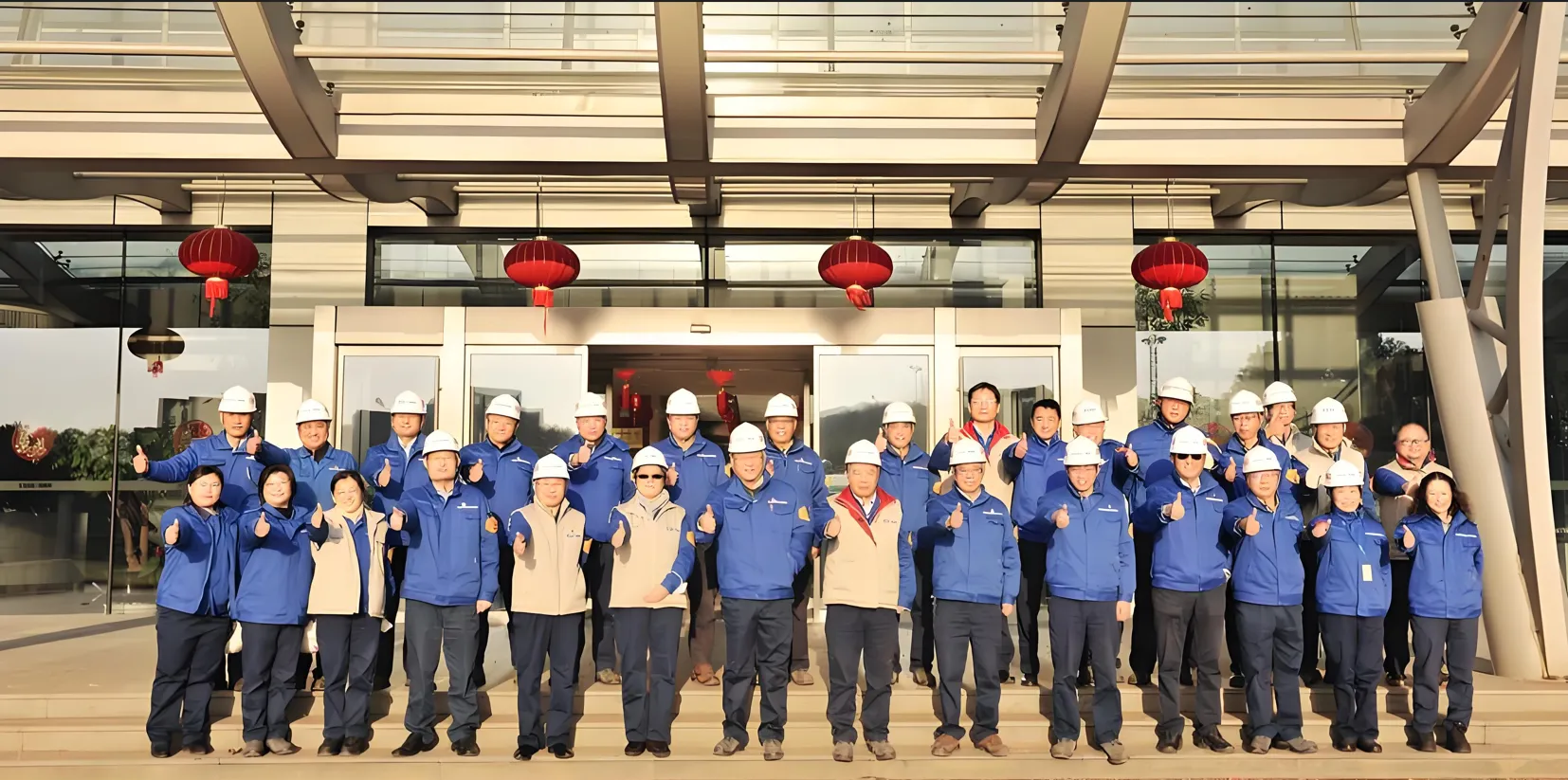
Centre de fabrication numérique de 5 000㎡ : Ingénierie de précision à l'échelle
Notre équipe d'ingénieurs experts : Les cerveaux derrière le brassage
Avec une équipe dévouée de plus de 20 ingénieurs mécaniciens principaux et les brasseurs professionnels, ZPET propose bien plus que des cuves. Nous offrons des conseils techniques, Plans de brasserie en 3D, et des solutions d'ingénierie personnalisées adaptées à vos objectifs spécifiques en matière de brassage.