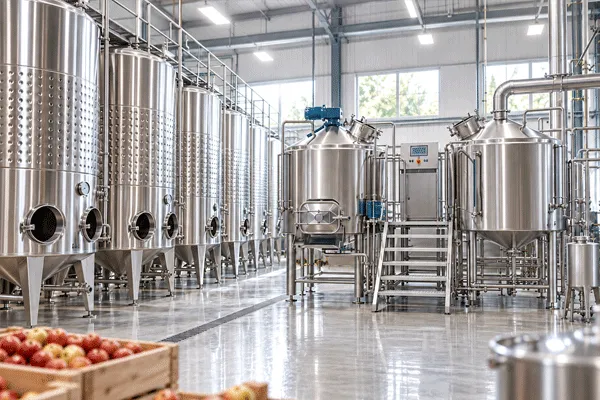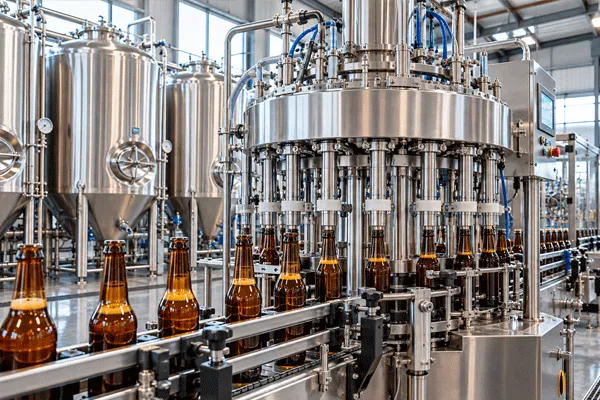
A well-designed fermenter is one of the most important pieces of brewing equipment for producing clean, consistent, and flavorful beer. Whether you are a homebrewing beginner using a bucket or an experienced brewer upgrading to a stainless steel conical tank, the right fermentation vessel can affect flavor stability, sanitation, oxygen exposure, temperature control, and batch consistency.
This article is worth reading because it explains the function of the fermenter in simple terms, compares common materials and sizes, and helps you choose the right stainless steel fermenter or alternative setup for beer, mead, beverage production, and other fermentation applications.
Struttura dell'articolo
1. What Is a Fermenter and Why Does Beer Fermentation Depend on It?
2. Stainless Steel vs Bucket, Glass Carboy, and Food Grade Plastic: Which Is Better?
3. Why Do Brewers Choose Stainless Steel Conical Fermentation Tanks?
4. How Do Yeast, Oxygen, and Temperature Control Affect a Batch?
5. What Size Do You Need: 1 Gallon, 4 Gallon, 5 Gallon, 6 Gallon, or 14 Gallon?
6. Which Accessory Matters Most: Valve, Lid, Spigot, Plug, Rack, or Siphon?
7. How Do Temp Control, Heating, Cooling, and PSI Improve Home Brewing?
8. Can One Vessel Handle Beer, Mead, Yogurt, Vegetable Ferments, and Biotechnology?
9. How Do You Move from Kettle and Brew Day to Dry Hop, Trub Removal, and Keg Transfer?
10. What Should a Brewer Check Before Buying Brewing Equipment?
1. What Is a Fermenter and Why Does Beer Fermentation Depend on It?
A fermenter is the vessel where wort becomes beer. After the boil is complete and the liquid is transferred from the kettle, the brewer adds yeast and allows fermentation to begin. During this stage, sugars are converted into alcoholic content, carbonation precursors, flavor compounds, and aroma characteristics that define the finished beverage.
The fermenter must provide a clean, airtight, and controlled environment. It protects the liquid from contamination, limits unnecessary oxygen exposure, and allows carbon dioxide to escape safely. In simple terms, the function of the fermenter is to create the right place for yeast to work efficiently while helping the brewer manage quality.
For small homebrew batches, a basic bucket may be enough. For more serious brewing, a stainless steel tank can improve sanitation, durability, transfer control, and temperature management. The better the fermentation environment, the easier it becomes to produce repeatable results.
2. Stainless Steel vs Bucket, Glass Carboy, and Food Grade Plastic: Which Is Better?
Many beginners start with plastic buckets because they are affordable, lightweight, and easy to clean. Food grade plastic can work well for early home brewing, especially when the goal is learning the basic process. However, plastic buckets may scratch over time, and scratches can hold residue or microorganisms if not cleaned carefully.
A glass carboy or glass carboys offer better visibility and are less prone to absorbing odors. Some brewers like watching fermentation activity through the wall of the jug. The downside is that glass can be heavy, slippery, and dangerous if dropped. Products such as Fermonster, Big Mouth, and Big Mouth Bubbler designs try to solve some cleaning and access problems by using wider openings.
Stainless steel offers the strongest long-term value for many users. It is durable, easy to sanitize, blocks light, and is less likely to retain smells. While brands such as SS Brewtech, Anvil, and Blichmann are common names in the homebrewing market, the same material logic also applies to professional brewing systems: stainless steel is chosen because it is strong, hygienic, and suitable for repeated production.
3. Why Do Brewers Choose Stainless Steel Conical Serbatoi di fermentazione?
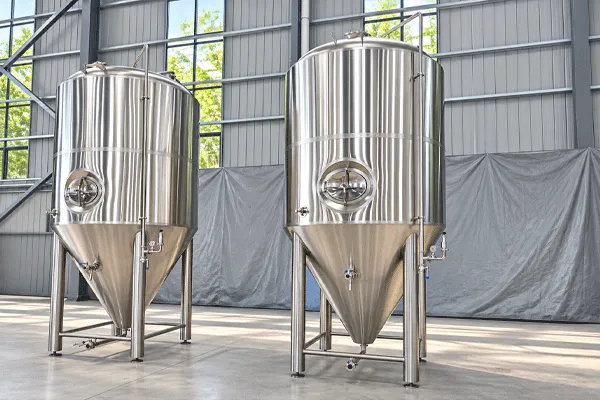
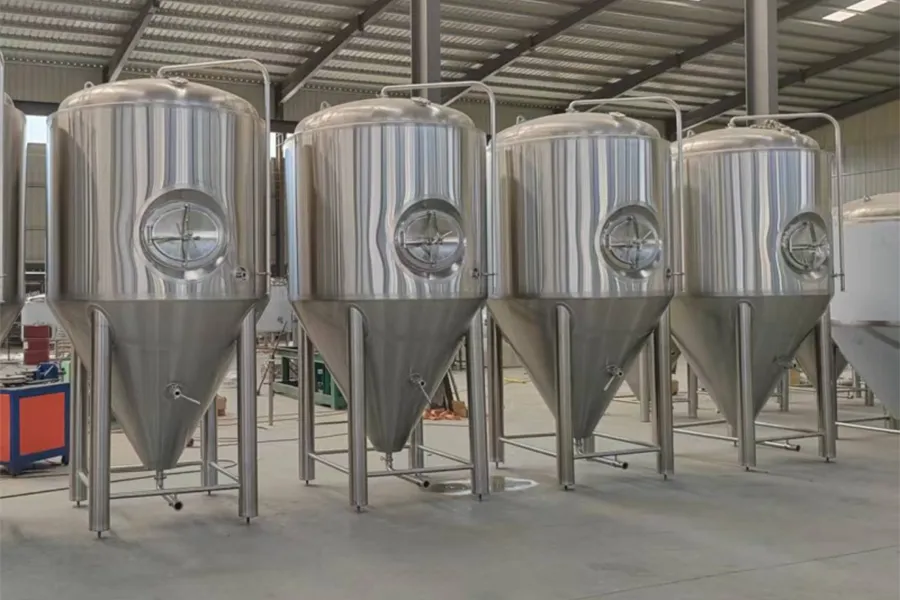
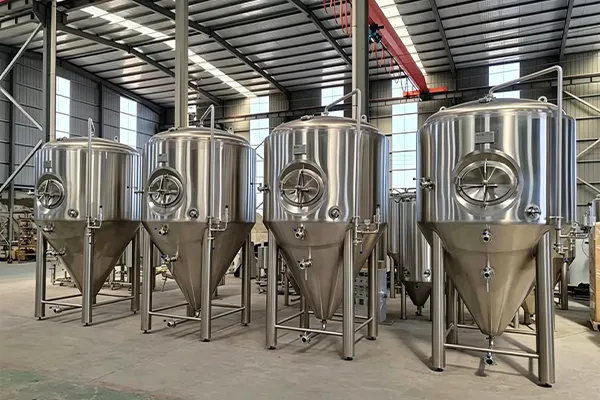
A stainless steel conical design gives brewers more control over what happens inside the tank. The cone-shaped bottom helps collect yeast sediment, trub, and other solids at the lowest point. This makes it easier to remove unwanted material without disturbing the main liquid volume.
The bottom of the fermenter is especially important in beer production because sediment management affects clarity, flavor, and transfer efficiency. With conical fermenters, a brewer can drain settled material through a valve before packaging. This reduces the need for extra transfers and can help lower contamination risk.
A stainless steel conical fermentor is also useful for dry hop additions, yeast harvesting, and cleaner movement into a keg. For anyone moving from a basic homebrewing setup to more controlled production, this style of fermtank provides a practical bridge between hobby brewing and commercial process thinking.
4. How Do Yeast, Oxygen, and Temperature Control Affect a Batch?
Yeast is the engine of fermentation. If the yeast is healthy and the environment is stable, the batch is more likely to develop clean flavor and predictable results. If the conditions are poor, the beer may show unwanted aroma, harsh alcohol notes, or stalled fermentation.
Oxygen matters at different stages. Before fermentation, controlled oxygen can help yeast growth. After fermentation begins, too much oxygen can damage flavor and reduce shelf stability. This is one reason many brewers choose sealed systems, airtight lids, and better transfer fittings.
Temperature control is equally important. A stable temp helps yeast perform within its ideal range. Too warm, and the beer may develop solvent-like or fruity notes. Too cold, and the yeast may slow down. Good fermentation control is not only about the container; it is about managing the full environment around the liquid.
5. What Size Do You Need: 1 Gallon, 4 Gallon, 5 Gallon, 6 Gallon, or 14 Gallon?
Fermentation size should match your brewing goal. A 1 gallon setup is good for experiments, recipe testing, and learning without wasting ingredients. A 4 gallon or 5 gallon setup is common for homebrew users who want practical output without needing a large space.
A 6 gallon container gives extra headspace for active fermentation, especially for foamy beer styles. A 14 gallon option is more suitable for larger batches, pilot brewing, or advanced users who want to scale production. The word gallon can be confusing for international buyers, so checking liter capacity is also useful.
The right batch size depends on available space, cleaning capacity, cooling method, and how often you brew. Bigger is not always better. A smaller system can be easier to manage, while a larger vessel may require more careful handling, stronger fittings, and better temperature management.
6. Which Accessory Matters Most: Valve, Lid, Spigot, Plug, Rack, or Siphon?
The most important accessory depends on your brewing process. A secure lid helps protect the liquid during active fermentation. A good plug or airlock opening allows gas release while keeping outside contaminants away. A reliable valve supports cleaner draining and transfer.
A spigot is useful for simple home brewing setups, but it must be cleaned carefully because small parts can trap residue. A siphon can help move beer from one container to another, especially when the brewer wants to avoid disturbing sediment. A rack or stand may also improve workflow by raising the vessel to a better working height.
In more advanced systems, the quality of fittings becomes more important. Poor connections may leak, introduce oxygen, or make cleaning harder. Even a simple temperature strip can help a beginner monitor ambient conditions before investing in a digital controller.
7. How Do Temp Control, Heating, Cooling, and PSI Improve Home Brewing?
Temp control is one of the fastest ways to improve consistency. A cool fermentation area helps many ale styles stay clean, while controlled heating may be needed in winter or in colder rooms. Some brewers insulate their setup to reduce swings caused by ambient temperature changes.
A digital controller can manage heating or cooling equipment automatically. For example, it may turn a fridge, heating belt, or chamber on and off based on the target setting. This adjustable setup helps the brewer maintain a stable range instead of reacting too late.
Pressure is another advanced factor. Some sealed systems allow low-pressure fermentation, often measured in psi. This can influence ester production, carbonation behavior, and transfer options. However, any pressure-capable system must be used according to its rated design, outlet safety, and manufacturer instructions.
8. Can One Vessel Handle Beer, Mead, Yogurt, Vegetable Ferments, and Biotechnology?
A fermentation vessel can be used for many products, but the design must match the application. Beer and mead require careful sanitation, gas release, and flavor protection. Mead may also require nutrient additions to support healthy fermentation, depending on the recipe and honey composition.
Vegetable ferments, yogurt, and other food products may need different temperature ranges, cleaning routines, and material considerations. A container used for strong-smelling foods should not automatically be reused for delicate beer unless it can be thoroughly cleaned and sanitized.
Beyond beverage production, fermentation is also important in agricultural processing, food waste treatment, and biotechnology. In these settings, the equipment may need stronger mixing, sterile design, sampling ports, or process controls. The basic concept is similar, but the engineering requirements can be very different.
9. How Do You Move from Kettle and Brew Day to Dry Hop, Trub Removal, and Keg Transfer?
A good brew day starts before the liquid reaches the fermentation stage. After mashing and boil, the wort should be cooled properly and transferred carefully. Splashing may be acceptable before yeast is added, but later transfers should be handled with more care.
During fermentation, styles such as hazy IPAs may require dry hop additions. A dry hop process can add strong aroma, but it can also introduce oxygen if done carelessly. Some brewers use closed or semi-closed methods to reduce exposure when adding hops.
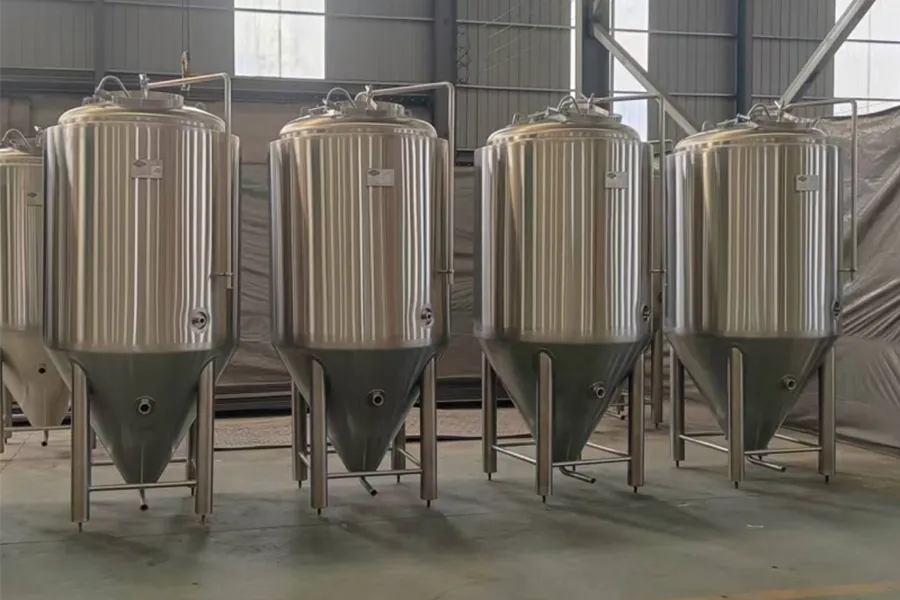
Once fermentation is complete, trub removal and transfer become important. A conical design can simplify sediment removal, while a clean transfer path can move beer into a keg with less oxygen pickup. Some brewers also monitor gravity before packaging to confirm the beer has finished fermenting.
10. What Should a Brewer Check Before Buying Brewing Equipment?
Before buying brewing equipment, the brewer should check material, capacity, cleaning method, fitting quality, and temperature strategy. A low-cost container may work for early experiments, but it may not support long-term consistency or advanced workflow.
It is also helpful to consider storage and handling. Is the unit stackable? Can it fit in a fermentation chamber? Is the opening wide enough for cleaning? Does the lid seal tightly? Can the system handle the desired volume without overflow during active fermentation?
Finally, consider what you want to brew in the future. A simple 5 gallon system may be perfect for classic ale batches, while a larger stainless system may be better for repeat brewing, pilot production, or recipe development. Buying the right equipment is not about choosing the most expensive option; it is about matching the tool to your process.
Punti chiave da ricordare
- A fermenter creates the controlled environment where wort becomes beer.
- Stainless steel is durable, sanitary, light-blocking, and suitable for repeated fermentation work.
- Buckets, glass carboys, and food grade plastic options can still be useful for beginners.
- Conical fermenters help collect yeast, trub, and sediment for cleaner transfer.
- Temperature control can improve flavor consistency more than many beginners expect.
- Size matters: 1 gallon, 4 gallon, 5 gallon, 6 gallon, and 14 gallon systems serve different brewing goals.
- Good accessories such as a lid, valve, plug, spigot, rack, and siphon can improve workflow.
- Oxygen control is critical after fermentation begins.
- A stainless steel setup can support better sanitation and long-term brewing efficiency.
- The best choice depends on your batch size, space, budget, cleaning habits, and future brewing plans.