Choosing the wrong liquor category can confuse your menu, product plan, or beverage project. That confusion grows when vodka, gin, whiskey, rum, brandy, tequila, and liqueur all sound similar. This guide makes the main types simple, practical, and useful for real business decisions.
The 7 types of distilled spirits most buyers and producers should understand are vodka, gin, whiskey, rum, brandy, tequila, and liqueur. Each distilled spirit starts with a fermentable raw material, then goes through distillation to separate alcohol from water, which increases the alcohol content and creates a stronger alcoholic beverage.
Struttura dell'articolo
- What is liquor, and why is it called a distilled spirit?
- What are the 7 types of distilled spirits?
- Is vodka the most neutral type of alcohol?
- Why does gin taste botanical?
- What makes whiskey, whisky, bourbon, and scotch different?
- How is rum made from sugarcane or molasses?
- Why is brandy made from fermented fruit?
- What makes tequila and mezcal different from other agave spirits?
- Is liqueur a liquor or a separate alcoholic beverage?
- How should B2B beverage producers choose equipment for distilled beverages?
What Is Liquor, and Why Is It Called a Distilled Spirit?
Liquor is a common name for high alcohol drinks made by distilling a fermented liquid. In simple terms, producers first ferment sugar, grain, fruit, or another base. Then they heat that liquid so alcohol can separate from water. The result is a stronger distilled spirit with a higher alcohol content than beer, wine, or cider.
This is why liquor is also called hard liquor. It usually has more alcohol by volume than beer or wine. The Alcohol and Tobacco Tax and Trade Bureau explains proof by multiplying percent alcohol by volume by two, so a spirit at 40% ABV is 80 proof.
From an equipment manufacturer’s view, this matters because every alcoholic beverage starts with process control. Clean tanks, stable fermentation, sanitary piping, and reliable temperature management all affect the final flavor profile. Whether the product is beer, kombucha, cider, wine, cold brew coffee, or distilled beverages, the quality of the production system shapes the quality of the drink.
What Are the 7 Types of Distilled Spirits?
The main types most people mean when they ask about the 7 types of distilled spirits are vodka, gin, whiskey, rum, brandy, tequila, and liqueur. These are also the popular types used in bars, restaurants, beverage brands, and hospitality projects.
| Spirit Type | Main Raw Material | Typical Flavor Profile | Common Uses |
| Vodka | Grain, potato, or other fermentable base | Clean, neutral | Base for cocktails |
| Gin | Neutral spirit plus botanicals | Juniper, herbal, citrus | Martini, gin and tonic |
| Whiskey / Whisky | Fermented grain | Oak, malt, spice | Neat, highball, classic cocktails |
| Rum | Sugarcane juice or molasses | Sweet, tropical, caramel | Daiquiri, dark rum drinks |
| Brandy | Fermented fruit, often grapes | Fruity, warm, oak | Sipping, cooking, cocktails |
| Tequila | Blue agave plant | Earthy, peppery, vegetal | Margarita, sipping |
| Liqueur | Spirit plus sweetener and flavor | Sweeter flavor, fruit, herbs, cream | Cocktails and mixed drinks |
The World Health Organization describes spirits as fermented liquids that go through distilling, which separates ethanol from other substances; it also notes that different types of spirits include brandy, gin, rum, tequila, vodka, and whisky.
For a B2B buyer, these liquor types are not just menu words. They point to different raw materials, different tanks, different cleaning needs, and different production layouts. A distillery producing whiskey needs grain handling and aging storage. A brandy producer needs fruit processing and fermentation tanks. A tequila producer needs agave cooking and extraction before distillation.
Is Vodka the Most Neutral Type of Alcohol?
Vodka is often seen as the most neutral type of alcohol. It is commonly produced from grain, potato, corn, or other fermentable materials. In many markets, vodka is made to be clean, smooth, and flexible, so it can work as a base for cocktails without overpowering other flavors.
From a production angle, vodka is made by taking a fermented base and distilling it to create a clean spirit. Some producers use filtration to refine texture and aroma. Vodka may be distilled multiple times to achieve a lighter and cleaner profile, though “more times” does not always mean better quality.
Vodka is used in cocktails like a bloody mary, vodka tonic, martini variation, and many fruit-based mixed drinks. For beverage startups, vodka can be attractive because its neutral taste supports flavored products, RTD cocktails, and private-label alcoholic drinks.
Why Does Gin Taste Botanical?
Gin begins with a neutral spirit, but it becomes gin because of botanicals. The key ingredient is usually juniper berries. Many gin producers also use citrus peel, coriander, angelica root, flowers, herbs, and spices. This is why gin can taste piney, fresh, floral, spicy, or bright.
Gin is distilled or redistilled with a variety of botanicals. Some producers steep botanicals in the spirit before distillation. Others use vapor infusion, where alcohol vapor passes through botanical baskets. Both methods can create a clear but aromatic liquor.
For equipment planning, gin production often needs flexible botanical handling, controlled heating, and good cleaning design. Strong botanical oils can leave residue in tanks and piping. In our work with beverage equipment projects, we often advise clients to plan cleaning access early, not after installation.
What Makes Whiskey, Whisky, Bourbon, and Scotch Different?
Whiskey is a broad category of liquor made from grain. It may use barley, corn, rye, wheat, or mixed grains. The spirit is usually aged in oak barrels, which gives color, aroma, and depth. A common type of whiskey may taste smoky, sweet, spicy, malty, or woody.
The spelling changes by region and style. Many U.S. and Irish producers write whiskey, while many Scottish, Canadian, and Japanese producers write whisky. Scotch whisky must follow Scottish rules, and scotch often has malt, smoke, sea air, and oak notes. Irish whiskey is often known for a lighter and smoother profile. Canadian whisky and Japanese whisky also have strong global demand.
Important whiskey styles include:
- Bourbon: usually corn-based and aged in oak barrels.
- Rye whiskey: spicier, often used in classic cocktails.
- Single malt whisky: usually malted barley from one distillery.
- Blended whisky: combines different whisky components for balance.
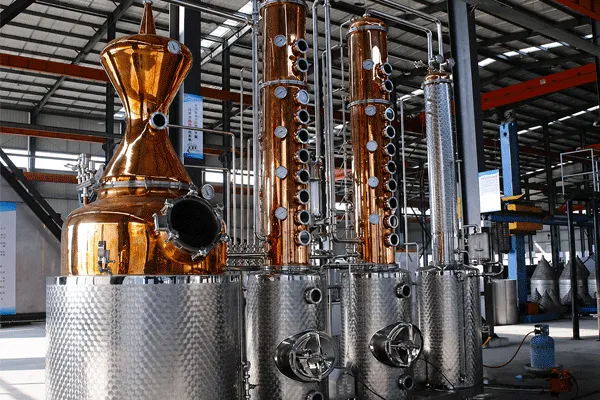
For B2B projects, whiskey production is not only about distillation. It also requires grain cooking, fermentation, barrel storage, maturation space, and long-term inventory planning. That is why customized stainless steel systems and efficient layouts help reduce project risk.
How Is Rum Made from Sugarcane or Molasses?
Rum is a liquor made from sugarcane products. It may be produced from fresh sugarcane juice, syrup, or molasses. The base is fermented and then distilled, creating a spirit made for light, golden, aged, spiced, or dark rum styles.
The types of rum often depend on fermentation method, distillation style, aging time, and barrel choice. Light rum may be clean and crisp. Dark rum may taste rich, caramel-like, and deep. Aged rum can develop vanilla, spice, dried fruit, and oak notes.
For equipment buyers, rum projects need strong fermentation control because sugar-rich materials can behave differently from grain or fruit. A well-designed tank system, sanitary valves, efficient pumps, and easy cleaning help keep the beverage consistent from batch to batch.
Why Is Brandy Made from Fermented Fruit?
Brandy is a distilled alcoholic beverage made from fermented fruit. Grapes are the most common base, but apples, pears, peaches, cherries, and other fruits can also be used. In simple terms, brandy begins like wine or fruit wine, then distillation concentrates the alcohol and aroma.
A famous type of brandy is cognac, which must follow specific regional production rules in France. Other brandy styles may be aged, unaged, fruit-forward, dry, or sweeter. Because fruit has its own aroma, brandy often carries a rich and rounded flavor profile.
For wineries, cideries, and beverage producers, brandy can be a smart product extension. If you already process fruit, juice, wine, or cider, brandy production may use part of the same upstream process. But it still needs the right distillation, safety, storage, and compliance planning.
What Makes Tequila and Mezcal Different from Other Agave Spirits?
Tequila is a distilled spirit made from blue agave. More precisely, tequila is a distilled agave spirit that must meet defined production rules. The raw material comes from the agave plant, which is cooked, crushed, fermented, and distilled.
Mezcal is also part of the wider family of agave spirits, but it can use different agave varieties and often has a smoky flavor. Tequila styles include blanco, reposado, añejo, and extra añejo. Reposado is rested in wood, which gives a softer and more rounded taste.
A margarita is the best-known tequila cocktail, but premium tequila and mezcal are also served neat. For project investors, agave spirits require special raw material planning. Agave takes years to mature, so supply chain stability is as important as stainless steel equipment.
Is Liqueur a Liquor or a Separate Alcoholic Beverage?
A liqueur is a type of liquor, but it is usually sweetened and flavored. It may include fruit, nuts, cream, coffee, herbs, spices, flowers, or chocolate. An orange liqueur, for example, can add citrus sweetness and aroma to cocktails.
The difference between liquor and liqueurs is simple: liquor usually means the base distilled spirit, while liqueur means that spirit has been sweetened and flavored. Food & Wine explains that spirits are commonly made by distilling fermented fruit, grain, or other sugar-rich ingredients, while liqueurs are sweetened and flavored with ingredients such as fruits, herbs, spices, coffee, or chocolate.
For beverage brands, liqueur can be a strong product category because it supports flavor innovation. It also works well in cocktails and mixed drinks, dessert drinks, hospitality channels, and private-label programs.
How Do Fermentation and Distillation Shape Alcoholic Spirits?
Before a spirit can be distilled, something must first ferment. Yeast converts sugar into alcohol and aroma compounds. Then distillation separates alcohol from water and other components. This process increases the alcohol content, creating a stronger beverage made for bottling, aging, blending, or flavoring.
In production language, spirits are distilled after fermentation. The phrase fermented and distilled describes the basic path from raw material to liquor. A spirit can be made from fermented grain, fruit, sugarcane, or agave, depending on the product category.
For equipment design, this means fermentation tanks matter even when the final product is not beer. Poor fermentation can create off-flavors. Poor temperature control can hurt consistency. Poor cleaning can increase contamination risk. This is why professional stainless steel brewing systems and beverage systems often share similar design principles.
What Equipment Do Beverage Producers Need for Distilled Beverages?
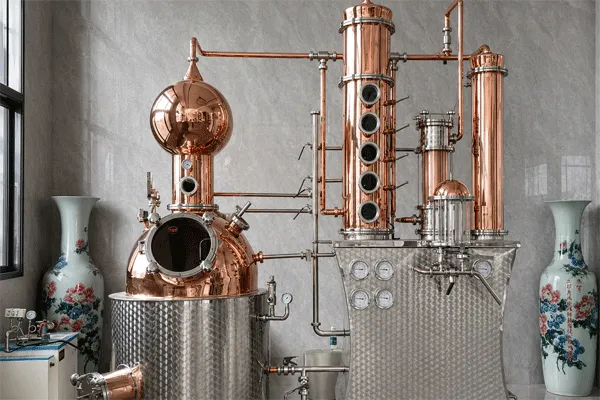
A distillery or beverage plant may need many systems, not just a still. The actual equipment depends on product type, capacity, layout, local regulations, and target market.
| Production Area | Common Equipment | Perché è importante |
| Raw material preparation | Grain mill, fruit crusher, agave preparation, sugar handling | Prepares fermentable base |
| Fermentation | Stainless steel fermentation tanks | Controls alcohol development and flavor |
| Heating and transfer | Pumps, heat exchangers, steam systems | Moves liquid safely and efficiently |
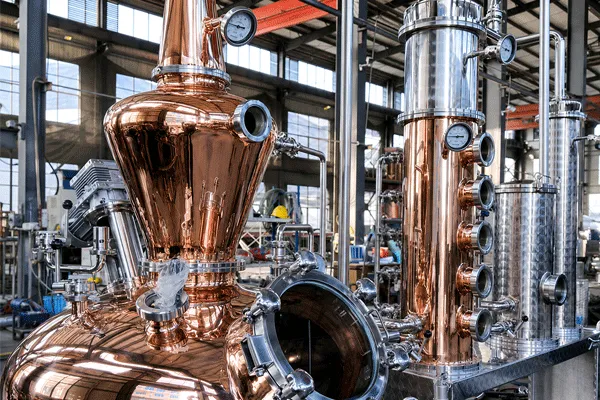
| Distillation | Pot still, column still, condenser | Concentrates alcohol and aroma |
| Storage and aging | Tanks, barrels, blending vessels | Builds final product style |
| Pulizia | CIP system, spray balls, sanitary piping | Protects hygiene and product quality |
| Packaging | Bottling, labeling, coding | Prepares product for sale |
As a professional brewery and beverage equipment manufacturing plant, we do not see equipment as separate machines. We see it as a production system. A craft brewery, brewpub, taproom, microbrewery, commercial brewery, kombucha producer, winery, cidery, or cold brew coffee producer all need the same thing: a reliable layout that supports real production.
Good equipment should help the team work faster, clean easier, reduce waste, and protect beverage quality. The best system is not always the biggest one. It is the one that fits your process, your space, your staff, and your growth plan.
How Should B2B Producers Choose the Right Liquor Production Plan?
Start with the product, not the machine. A vodka line, gin line, whiskey line, rum line, brandy line, tequila line, and liqueur line all have different needs. Even within one type of alcohol, the equipment plan can change.
Ask these questions before buying:
- What raw material will you ferment?
- What batch size do you need now?
- What capacity will you need in 2–3 years?
- Will the product be aged in oak barrels?
- Do you need a flexible system for more than one beverage?
- What are your local safety and compliance requirements?
- How easy is the system to clean and maintain?
- Can the supplier support installation and after-sales service?
For global B2B buyers, the supplier matters as much as the equipment. You need a partner who understands sanitary stainless steel fabrication, capacity planning, turnkey brewery solutions, and beverage project risk. A cheap quotation is not cheap if the layout fails, the tanks are hard to clean, or the after-sales support is slow.
What Are the Best Business Uses for Different Types of Liquor?
Different types of liquor serve different business models. Vodka and gin are useful for fast-moving cocktail programs. Whiskey and brandy support premium positioning, but they may require aging time. Rum can support tropical, craft, or aged product lines. Tequila and mezcal work well in premium bar and cocktail channels. Liqueur supports flavor creativity.
| Business Type | Strong Product Fit | Reason |
| Birreria artigianale | Gin, vodka, liqueur | Flexible for cocktails |
| Craft distillery | Whiskey, rum, brandy | Strong brand storytelling |
| Winery | Brandy, liqueur | Fruit-based extension |
| Cidery | Brandy, liqueur | Uses fermented fruit base |
| Beverage startup | Vodka, gin, RTD base | Easier flavor development |
| Premium bar supplier | Tequila, mezcal, whisky | Strong demand in cocktails |
This is where the world of spirits connects with equipment planning. Popular spirits may look simple in a glass, but behind every bottle is a chain of decisions: raw material, fermentation, distillation, blending, aging, packaging, and service.
FAQs About Liquor and Distilled Spirits
What are the 7 types of distilled spirits?
The 7 types of distilled spirits are commonly listed as vodka, gin, whiskey, rum, brandy, tequila, and liqueur. These liquor types include neutral spirits, botanical spirits, grain spirits, sugarcane spirits, fruit spirits, agave spirits, and sweetened flavored spirits.
What is the difference between liquor and liqueur?
Liquor is the base distilled alcoholic beverage, such as vodka, gin, rum, brandy, whiskey, or tequila. Liqueur is liquor that has been sweetened and flavored with fruit, herbs, cream, coffee, nuts, spices, or other ingredients.
Is whiskey the same as whisky?
Whiskey and whisky refer to similar distilled beverages made from grain, but spelling depends on style and region. Irish whiskey and American whiskey usually use “whiskey.” Scotch whisky, Canadian whisky, and Japanese whisky usually use “whisky.”
Which distilled spirit has the highest alcohol content?
Alcohol content varies by product, market, and bottling strength. Many popular spirits are bottled around 40% alcohol by volume, but some high-proof products are much stronger. Always check the label and local regulations.
What is the most common type of alcohol used in cocktails?
Vodka, gin, whiskey, rum, tequila, and brandy are all common cocktail bases. Vodka is often the most flexible because of its neutral flavor. Gin is popular for botanical drinks, while rum and tequila are popular in tropical and citrus cocktails.
Can beer or wine producers expand into spirits?
Yes, but they need the right planning. Beer, wine, cider, and spirits all involve fermentation, but distillation adds new safety, compliance, storage, and equipment needs. Producers should review local regulations, capacity goals, and equipment layout before investing.
Punti chiave
Liquor is a high-alcohol beverage made by distilling a fermented base.
The 7 types of distilled spirits are vodka, gin, whiskey, rum, brandy, tequila, and liqueur.
Vodka is clean and flexible; gin is botanical; whiskey and whisky are grain-based; rum comes from sugarcane; brandy comes from fermented fruit; tequila and mezcal come from agave.
Liqueur is sweetened and flavored liquor, often used in cocktails.
B2B producers should choose equipment based on raw material, batch size, sanitation, capacity planning, and long-term service.
A professional stainless steel equipment partner can help reduce project risk and support stable beverage quality.