Specialized Expertise in Cider Fermentation Technology
Cider-Specific Design Features
Unlike beer brewing equipment, ZPET’s cider systems address the unique challenges of apple juice fermentation, including lower fermentation temperatures (12-20°C vs. beer’s 18-22°C), longer fermentation cycles (2-4 weeks), and higher sugar content management. Our systems feature smooth interior surfaces to prevent oxidation, precise temperature control for delicate yeast strains, and optional juice extraction equipment for complete apple-to-bottle production.
Complete Production Workflow Integration
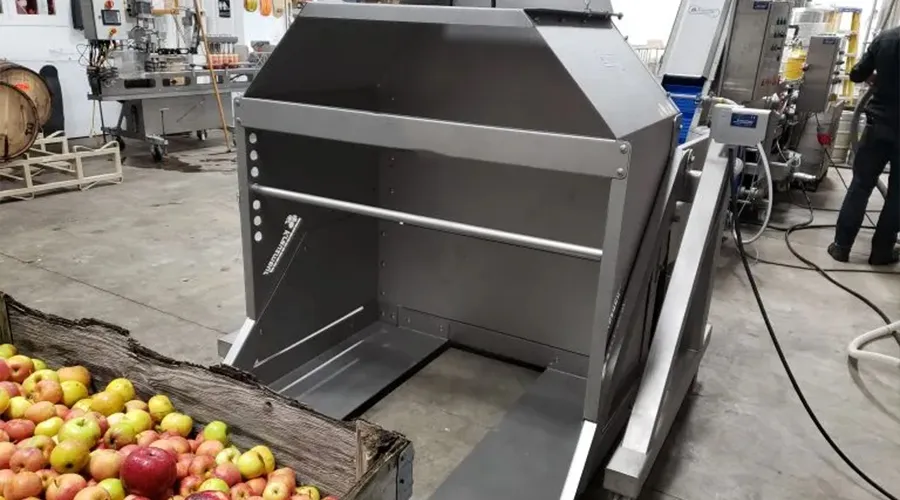
Juice Extraction System (optional): Maceration tanks and pneumatic/mechanical presses for efficient apple crushing and juice extraction. Achieves 70-80% juice yield with minimal oxidation.
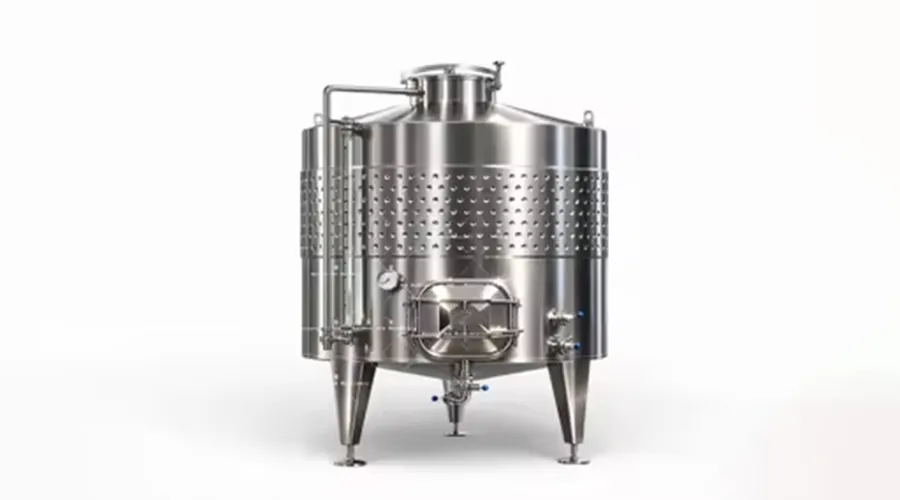
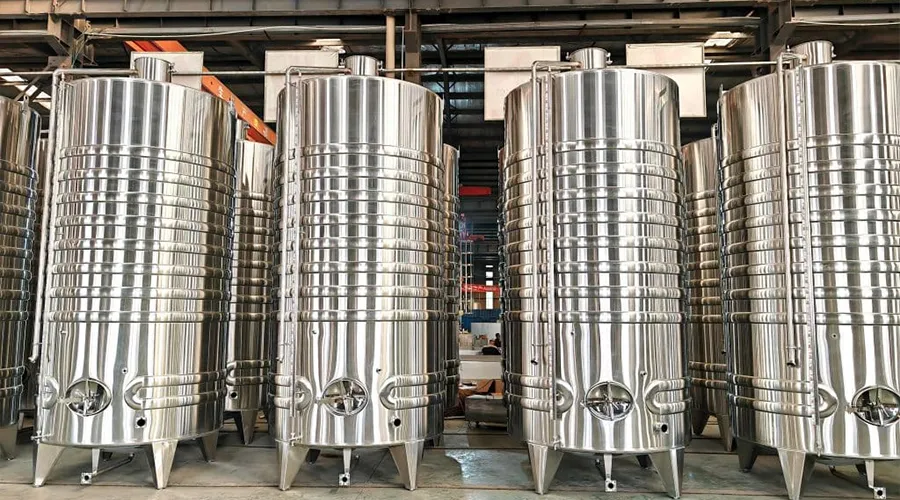
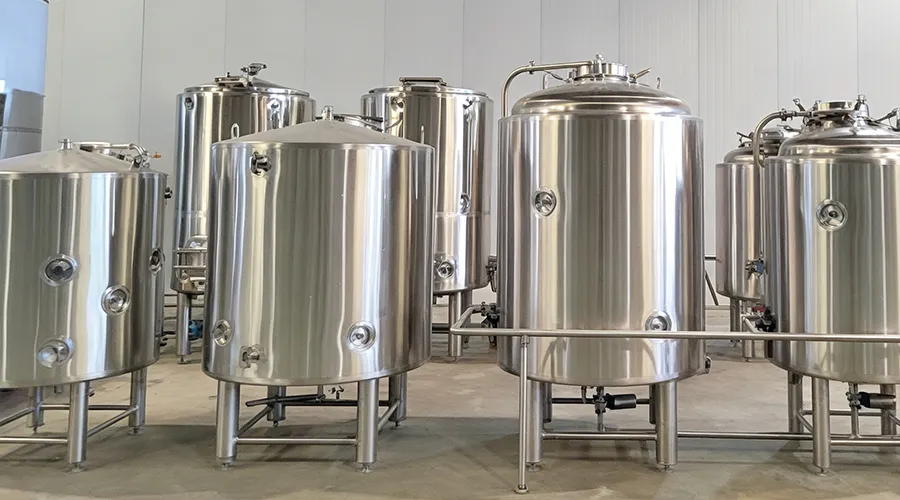
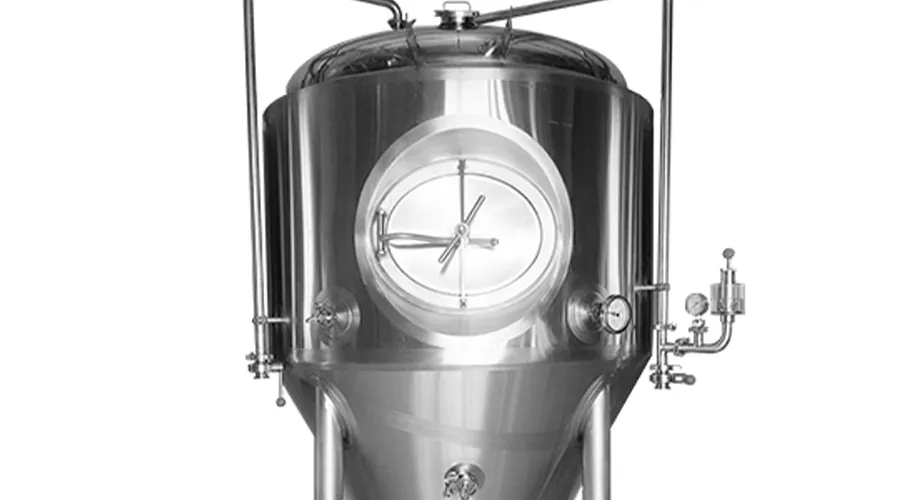
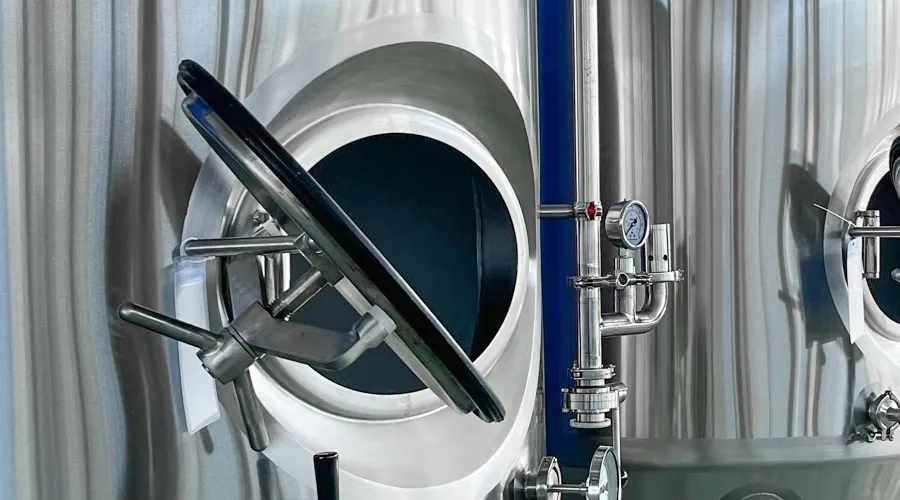
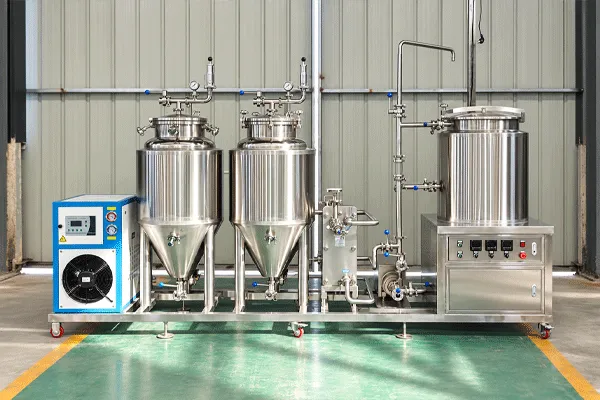
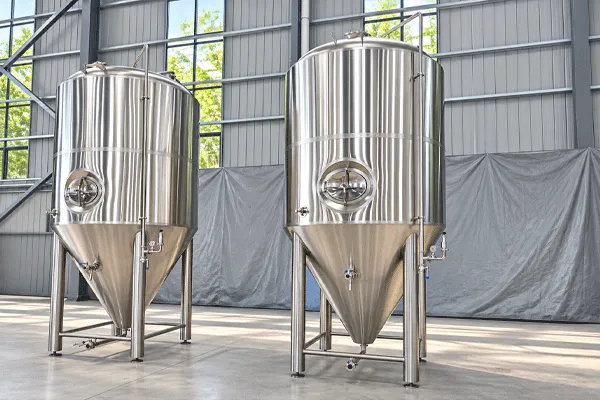
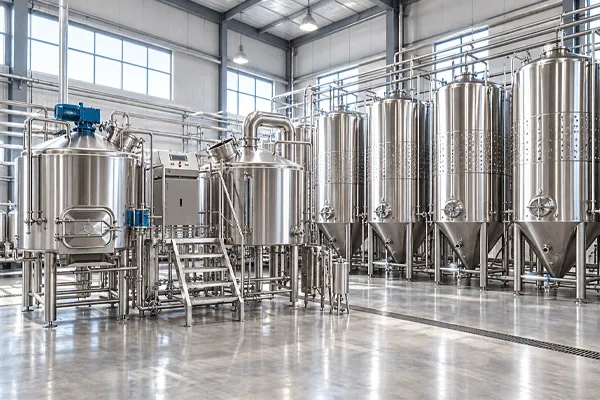
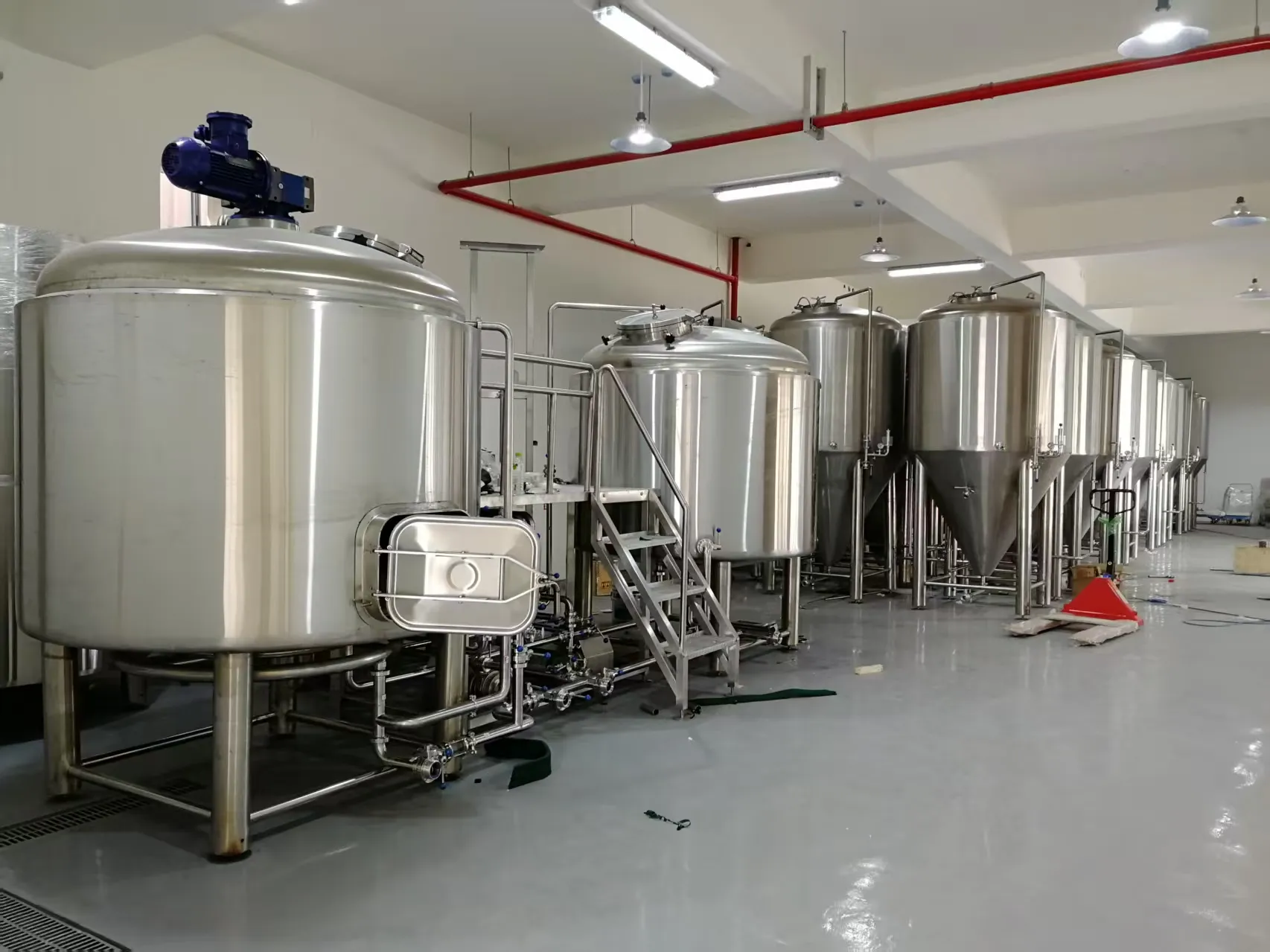
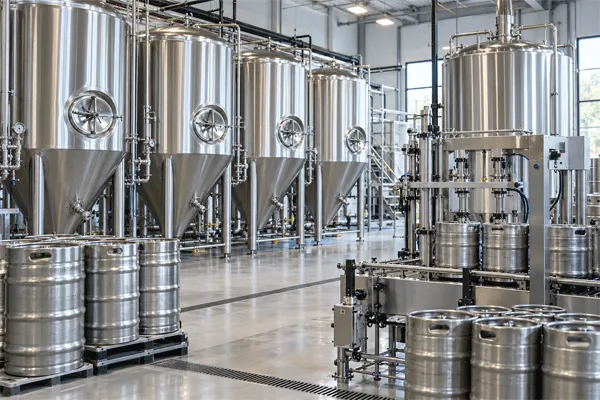
Primary Fermentation Tanks: Conical vessels with multi-zone glycol jackets for precise temperature control during 2-4 week fermentation. Insulated walls maintain stable temperatures (12-20°C) and reduce energy costs by 30-40%.
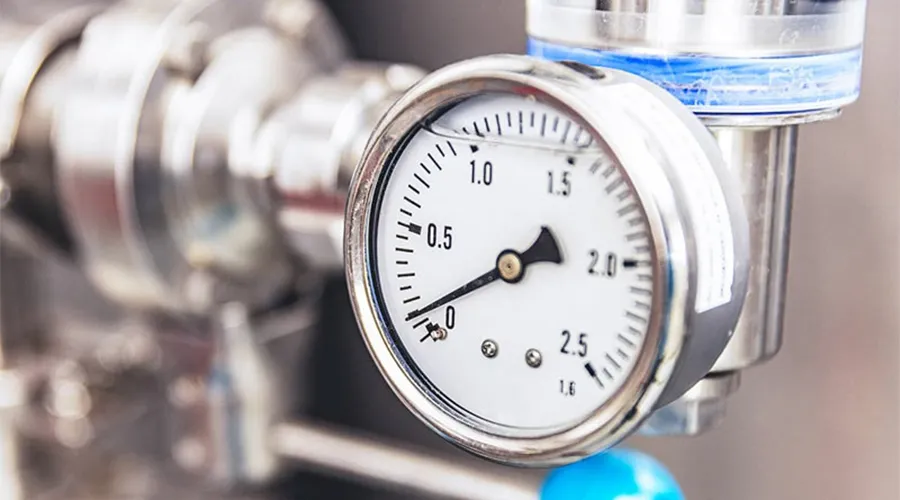
Secondary Fermentation Vessels: Dedicated tanks for flavor infusion (berries, hops, spices), natural carbonation, or aging. Pressure-rated construction (up to 2 bar) supports sparkling cider production.
CIP Cleaning System: Automated cleaning with food-grade sanitizers, designed for the acidic environment of cider production (pH 3.3-4.0). Reduces cleaning time from 3-4 hours (manual) to 60-90 minutes (automated).
Scalability for Growing Cideries
ZPET’s modular design allows cider producers to start with a core system (2-4 fermentation tanks) and expand capacity by adding tanks, juice extraction equipment, or bottling lines as demand grows. Our systems support production scaling from 500L/week (startup cideries) to 20,000L/week (regional distribution) without replacing core equipment.
Choose Your Cider Brewing System Capacity
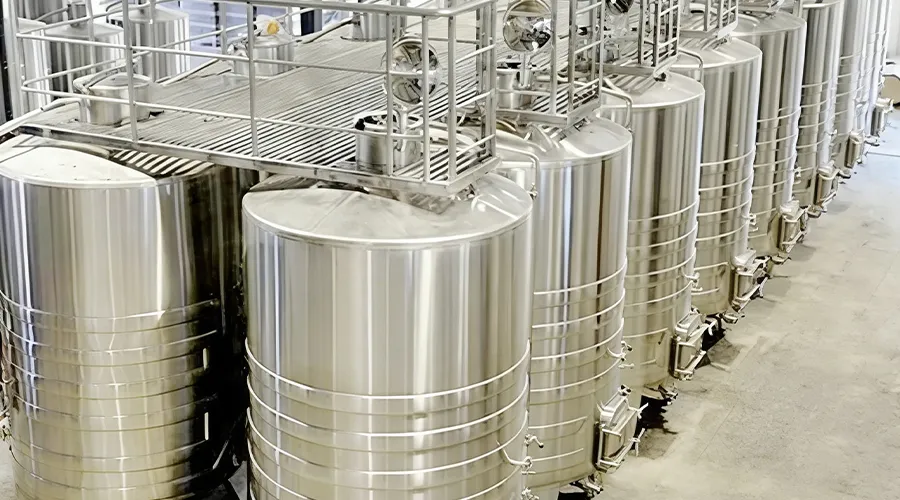
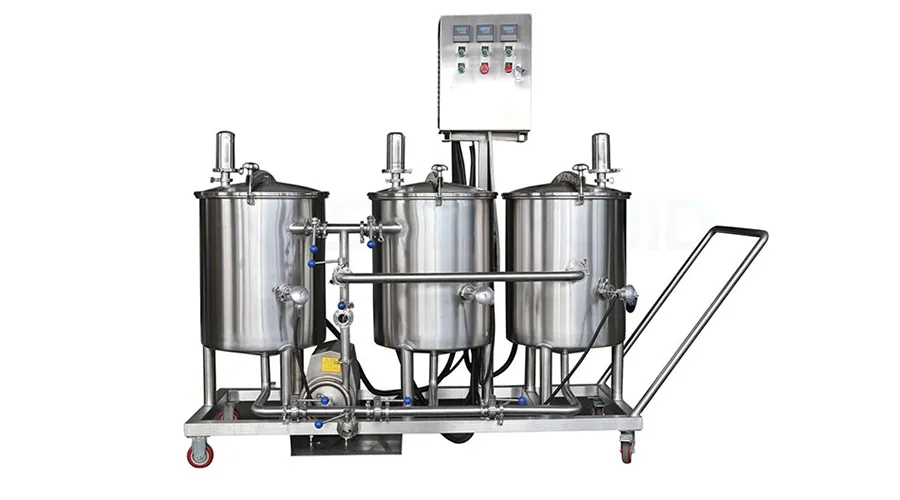
ZPET offers cider brewing systems in four capacity ranges (500L, 1000L, 2000L, 3000L-5000L) designed for different production scales—from startup craft cideries to national distribution operations.
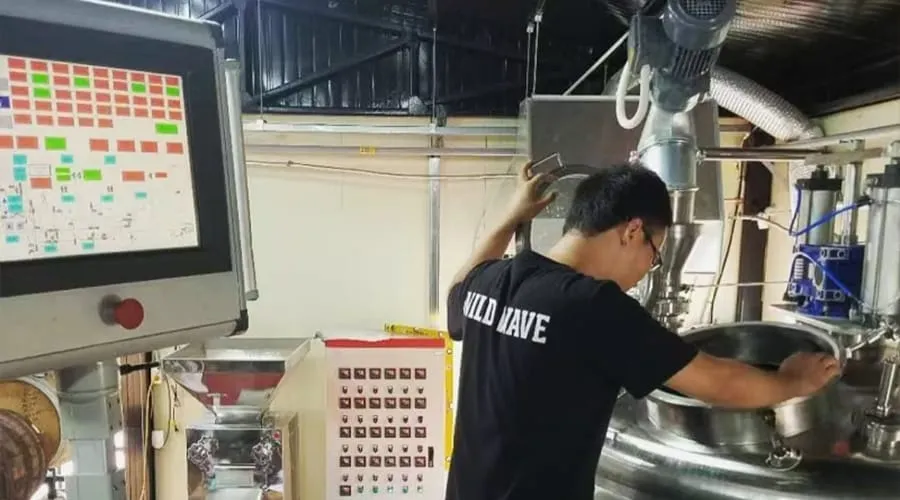
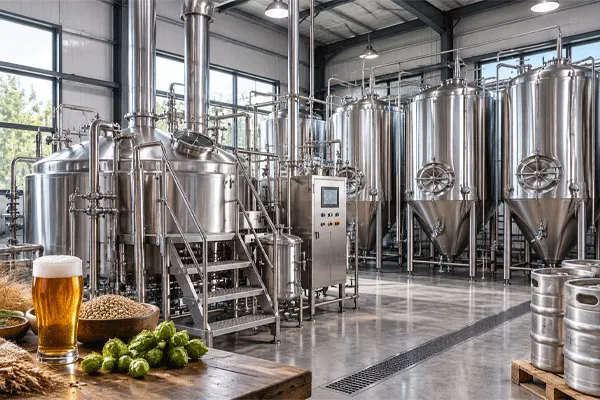
ZPET offers two commercial brewery system capacities (4000L, 5000L) designed for different production scales and market strategies. Each system includes a complete brewhouse, fermentation tanks, glycol cooling system, steam heating, and full PLC automation
Capacity
Batch Output
Weekly Production
Best For
Typical Configuration
500L
132 gal
1,000-2,000L/week
Startup cideries, farm operations
2-4 tanks
1000L
264 gal
2,000-4,000L/week
Growing craft cideries, regional retail
4-6 tanks
2000L
528 gal
4,000-8,000L/week
Multi-state distribution
6-8 tanks
3000L-5000L
792-1,321 gal
10,000-20,000L/week
National brands, contract production
8-12 tanks
Note: Weekly production assumes 2-3 batches per week with 14-21 day fermentation cycles. Actual output depends on fermentation time, cider styles, and operational efficiency
Engineering Features for Consistent Cider Quality
SUS304/316L Stainless Steel
Food-grade material resistant to acidic cider (pH 3.3-4.0)
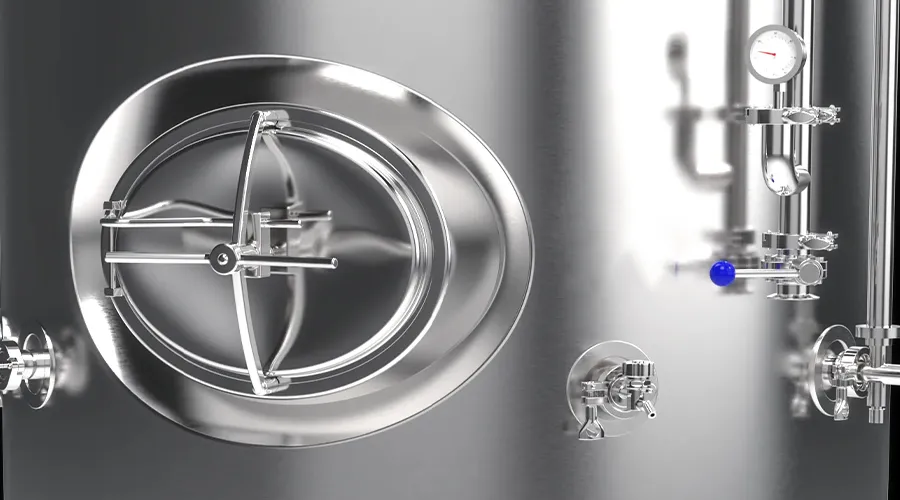
≤0.4μm Surface Finish
Pharmaceutical-grade polishing prevents oxidation and simplifies cleaning
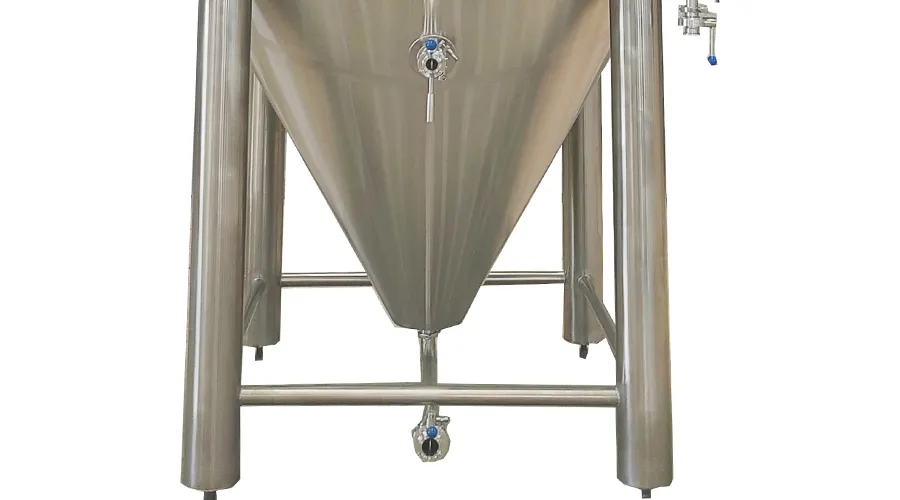
Conical Bottom
Facilitates yeast sediment removal and lees separation
Multi-Zone Glycol Jackets
2-3 independent cooling zones maintain optimal fermentation temperature (12-20°C)
Insulated Walls
50-80mm polyurethane foam reduces temperature fluctuations and energy consumption
Precision Control
±0.5°C accuracy ensures consistent yeast activity and flavor development
Temperature Sensors
Real-time temperature tracking with automatic glycol valve control
Pressure Sensors
Monitor carbonation levels during secondary fermentation
Juice Extraction System (Optional)
Maceration Tanks:
Crushing Capacity: 500-2000 kg apples per hour (depending on system size)
Stainless Steel Construction: Food-grade material prevents contamination
Efficient Extraction: 70-80% juice yield with minimal oxidation
Pressing Systems:
Pneumatic Presses: Gentle pressing preserves delicate apple flavors (recommended for premium cider)
Mechanical Presses: Higher throughput for large-scale production
CIP Cleaning System
Automated Cleaning Cycles:
Food-Grade Sanitizers: Compatible with peracetic acid, caustic, and acid-based cleaning solutions
Water Recovery: Recirculation system reduces water consumption by 40-50%
Cleaning Cycle Time: 60-90 minutes per tank (vs. 3-4 hours manual cleaning)
Complete Cider Production Process
Step 1
Apple Selection & Crushing (2-4 hours)
•Wash and sort apples (remove damaged or rotten fruit)
•Crush apples using maceration tanks to create apple pomace
•Optional: Blend different apple varieties for desired flavor profile
Step 2
Apple Selection & Crushing (2-4 hours)
•Press pomace using pneumatic or mechanical presses
•Achieve 70-80% juice yield (500 kg apples = 350-400L juice)
•Optional: Pasteurize juice (75-80°C for 15 minutes) to eliminate wild yeast
Step 3
Apple Selection & Crushing (2-4 hours)
•Transfer juice to fermentation tanks
•Inoculate with cider yeast (Saccharomyces cerevisiae or specialized cider strains)
•Monitor temperature (12-20°C) and specific gravity daily
•Fermentation complete when specific gravity stabilizes (typically 1.000-1.005)
Step 4
Secondary Fermentation (7-14 days, optional)
•Transfer cider to secondary vessels
•Add flavor infusions (berries, hops, spices) or age for complexity
•Natural carbonation (bottle conditioning) or forced carbonation (1.8-2.5 volumes CO2)
•Monitor pressure and carbonation levels
Step 5
Apple Selection & Crushing (2-4 hours)
•Remove yeast sediment and particulates using filtration system
•Transfer to bright tanks for carbonation adjustment
•Bottle, can, or keg for distribution
Step 6
Apple Selection & Crushing (2-4 hours)
•Automated CIP cleaning with food-grade sanitizers
•Sanitize tanks between batches to prevent contamination
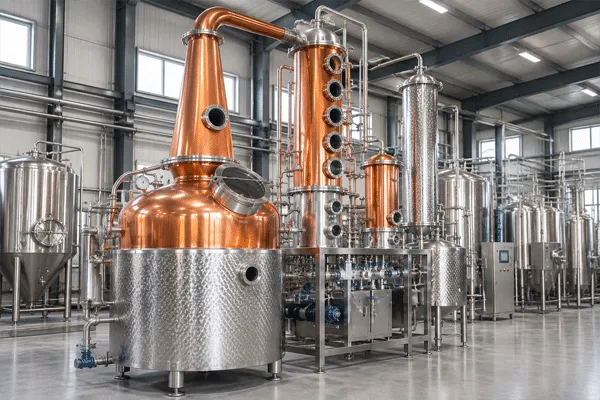
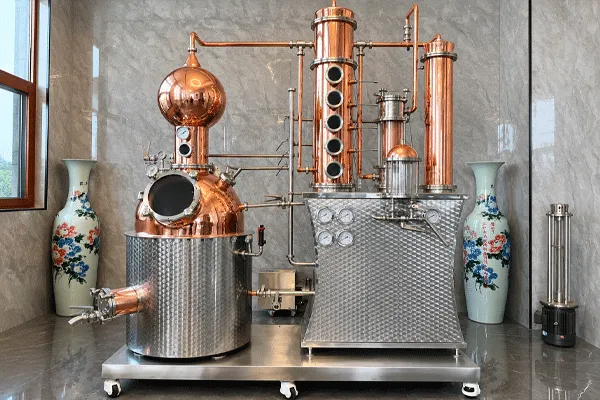
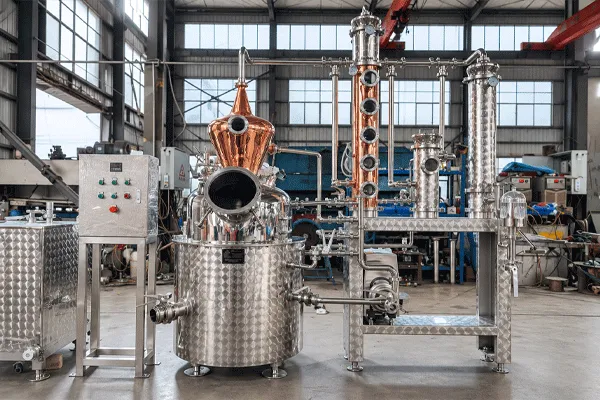
Customized Copper Pot Still Solution for Craft Distillery Projects
ZPET recently completed a customized...
FAQ
Can the equipment produce other fermented beverages (perry, mead)?
Yes, with minor modifications. The same fermentation tanks can produce perry (pear cider), mead (honey wine), or fruit wines. Dedicated tanks recommended to prevent cross-contamination.
What is the typical fermentation time for cider?
Primary fermentation: 14-21 days (depending on temperature and yeast strain). Secondary fermentation (aging/carbonation): 7-14 days. Total cycle: 21-35 days.
How do I handle seasonal apple availability?
Use cold storage (2-4°C) to extend apple shelf life, or work with juice concentrate suppliers for year-round production. Many cideries produce high volumes during harvest season (Sept-Nov) and age cider for off-season sales
What certifications are required for commercial cider production?
Requirements vary by country. Common certifications: TTB permit (USA), health department approval, organic certification (if using organic apples), and alcohol licensing.
Start Your Commercial Cider Production with ZPET
Ready to scale your craft cidery? ZPET’s commercial cider brewing equipment provides the precision, reliability, and scalability you need to compete in the growing hard cider market.
1.Free Consultation: Discuss your production goals and receive capacity recommendations
2.Custom Proposal: Detailed system specifications, layout design, and pricing
3.Turnkey Installation: Manufacturing, shipping, installation, and operator training