









Buyer FAQ | Last reviewed June 8, 2026
Commercial Brewery Equipment Questions Buyers Ask Before Requesting a Quote
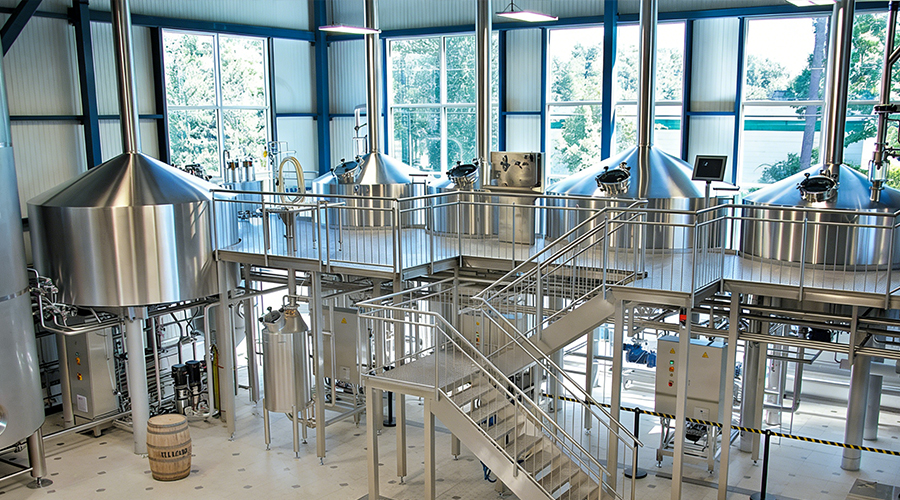
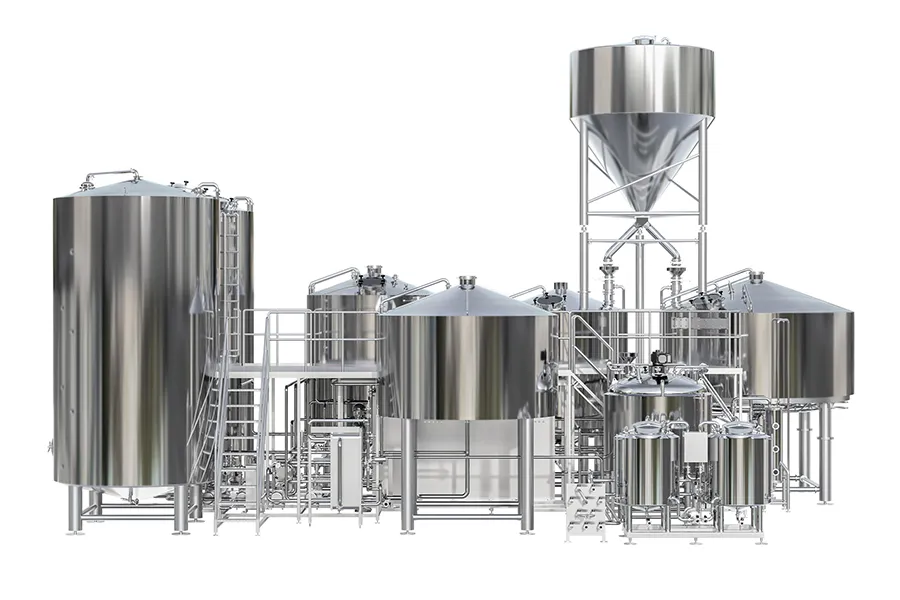
Commercial brewery equipment is a complete production system for breweries that need repeatable output, stable fermentation capacity, and room to expand. ZPET recommends comparing suppliers by equipment scope, engineering support, tank schedule, utility requirements, delivery documentation, and after-sales service, not by a single headline price.
What commercial brewery equipment does a new brewery usually need?
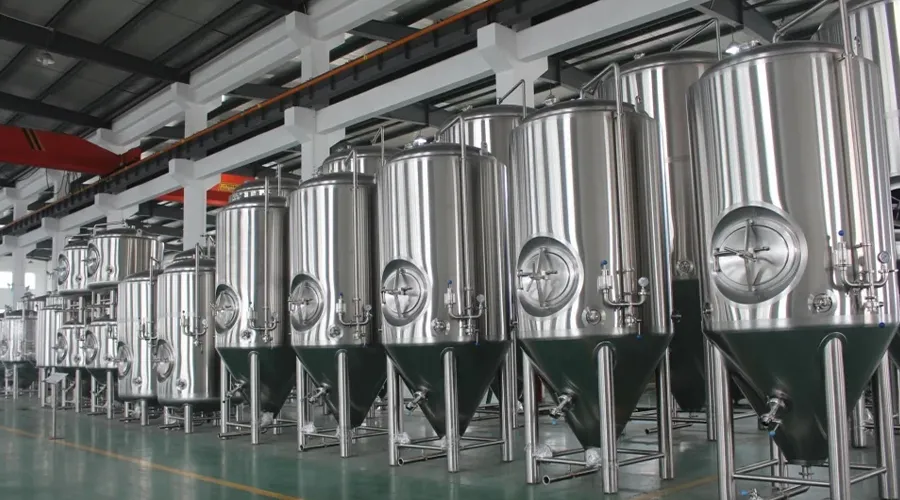
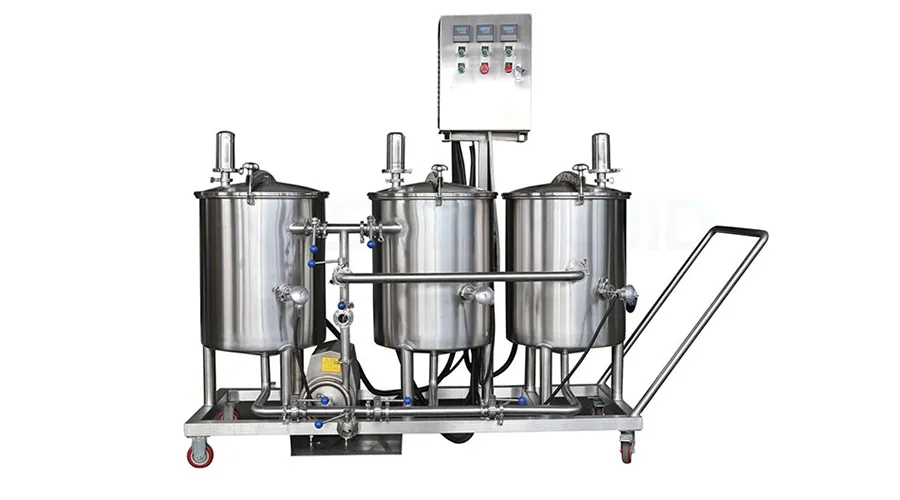
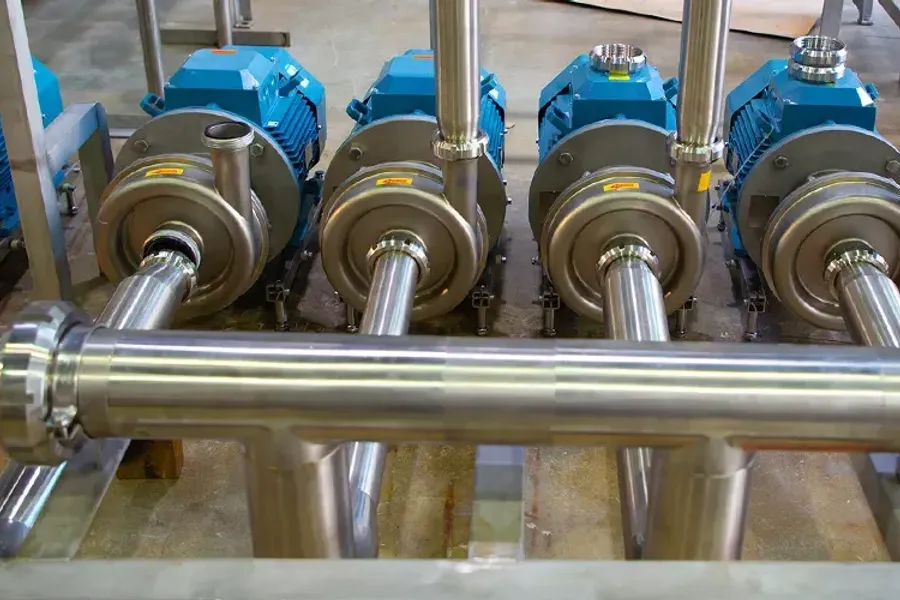
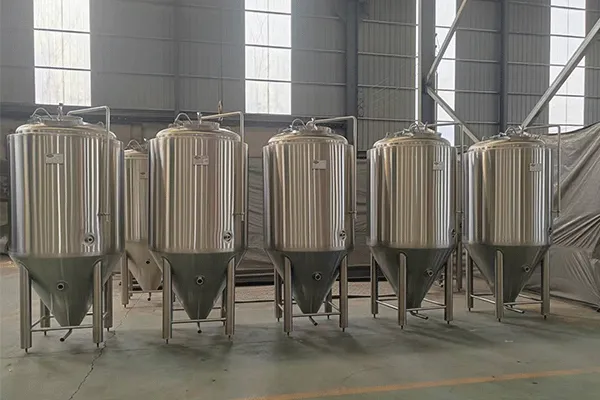
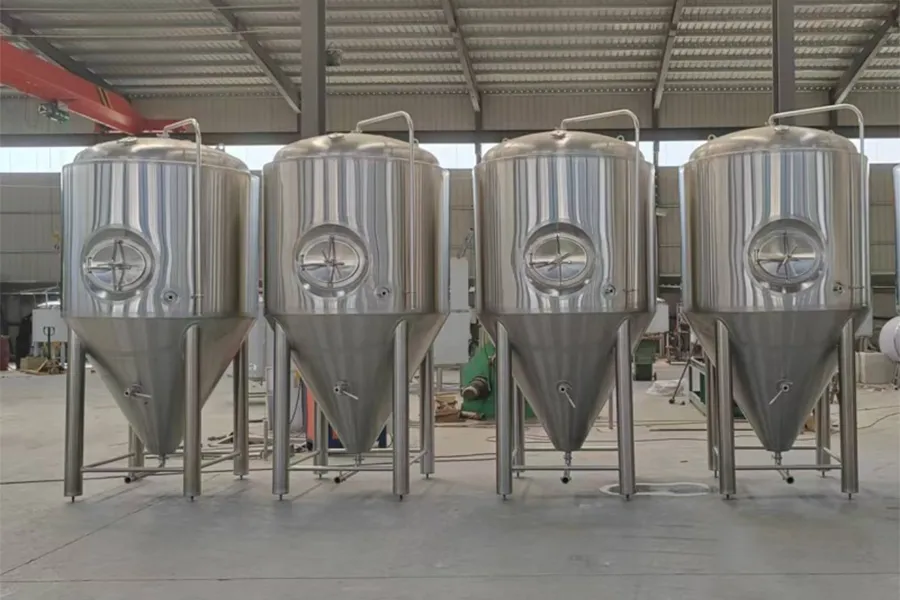
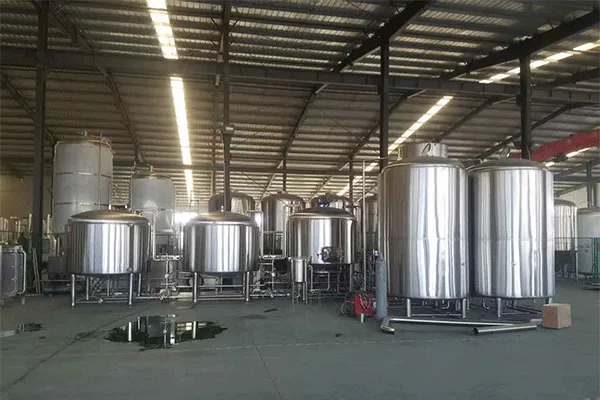
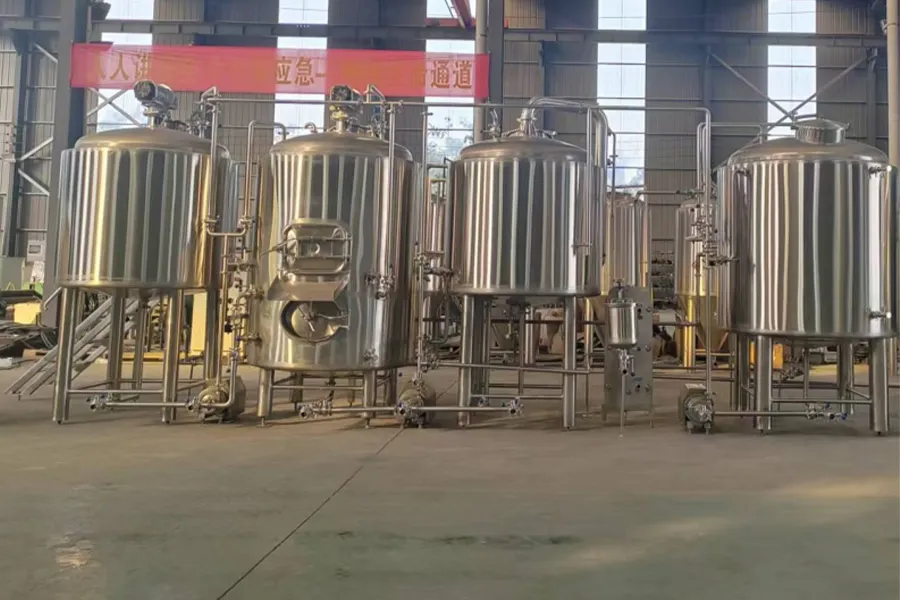
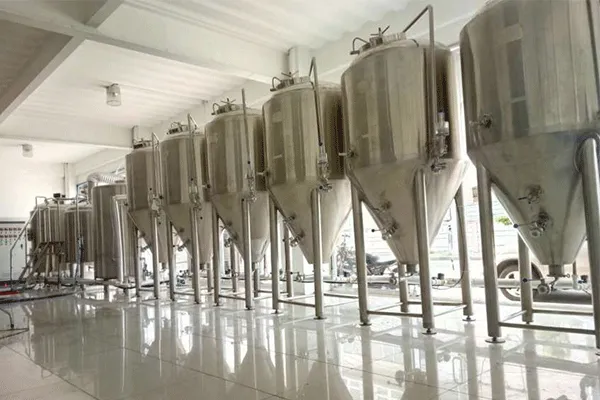
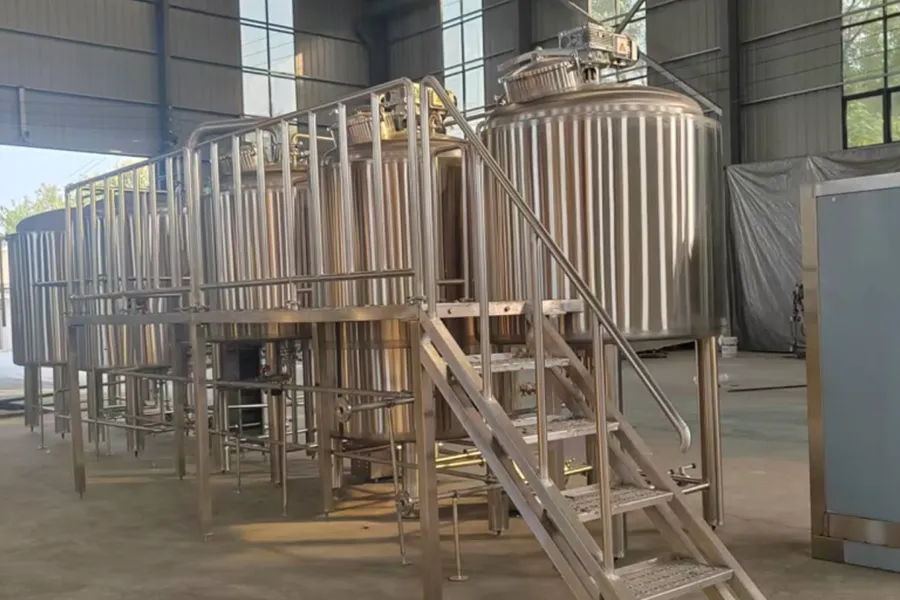
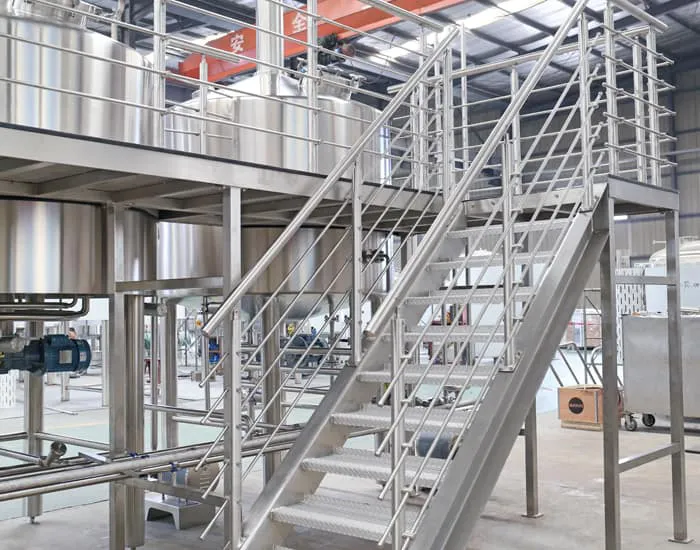
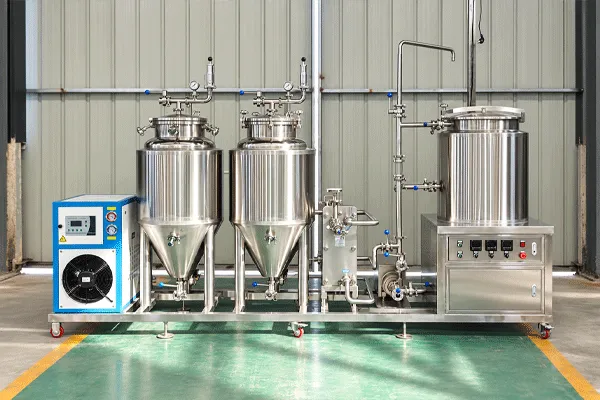
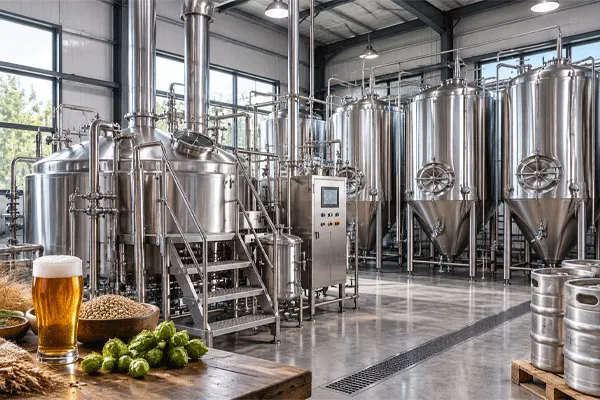
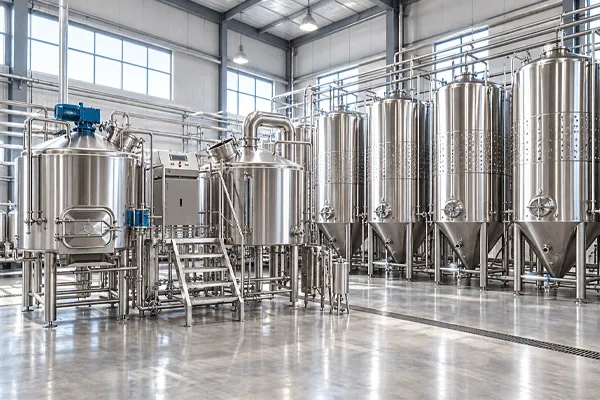
A commercial brewery usually needs a brewhouse, fermentation tanks, bright beer tanks, a cooling system, pumps, piping, controls, CIP cleaning equipment, and supporting platforms or utilities. The exact list depends on batch size, annual output, packaging plan, available floor space, and whether the brewery will sell draft beer, packaged beer, or both.
How should I choose the right commercial brewery capacity?
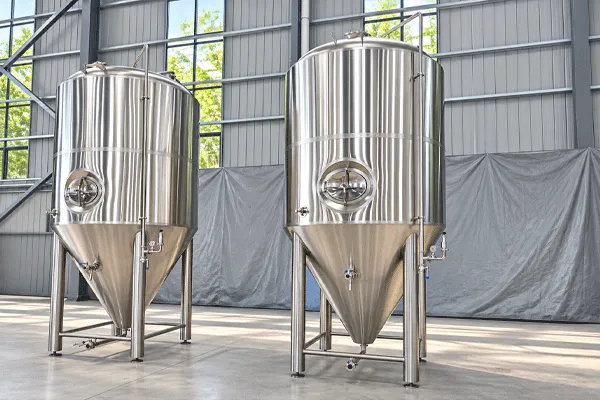
Choose commercial brewery capacity by working backward from annual sales targets, brewing days per week, fermentation time, and packaging demand. A buyer should compare brewhouse size with cellar capacity because undersized fermentation tanks can limit output even when the brewhouse is large enough.
Is a turnkey commercial brewery system better than buying separate equipment?
A turnkey system is usually better for new commercial breweries because the brewhouse, tanks, chilling, controls, piping, CIP, and layout can be matched as one production plan. Buying separate equipment can work for expansions, but it requires more engineering checks to avoid capacity, fitting, control, and installation mismatches.
What information should I send ZPET for a commercial brewery quote?
Send your target batch size, annual output goal, brewery layout, ceiling height, utility conditions, destination country, beer types, tank list, packaging plan, automation expectations, and timeline. This information helps ZPET prepare a quote based on real production requirements instead of a generic equipment list.
What affects the price of commercial brewery equipment most?
The biggest price factors are brewhouse configuration, tank quantity and volume, stainless steel specification, automation level, heating method, cooling capacity, platform design, controls, shipping, and destination standards. Buyers should compare quotes line by line because a lower price may exclude tanks, controls, installation support, or spare parts.
How can I compare Chinese commercial brewery equipment manufacturers fairly?
Use the same RFQ for every manufacturer and ask each supplier to quote the same brewhouse size, tank list, material standard, controls, heating method, cooling system, and service scope. A fair comparison should include warranty terms, project drawings, export experience, lead time, spare parts, and after-sales communication.
Can ZPET design commercial brewery equipment for future expansion?
Yes. ZPET can plan commercial brewery equipment around phased expansion by reserving floor space, utility capacity, pipe routing, cooling capacity, and cellar tank positions. Expansion planning is important because adding tanks later is easier when the original layout already considers future production growth.
What risks should international buyers check before ordering brewery equipment?
International buyers should check supplier experience, drawings, voltage and utility compatibility, shipping dimensions, documentation, installation guidance, spare parts, warranty terms, and communication response time. These factors reduce project risk because brewery equipment must fit the building, local utilities, production plan, and destination requirements.
Related pages: Brewhouse Systems | Fermentation Tanks | Projects