Buyer FAQ | Last reviewed June 8, 2026
Microbrewery Equipment Questions Buyers Ask Before Requesting a Quote
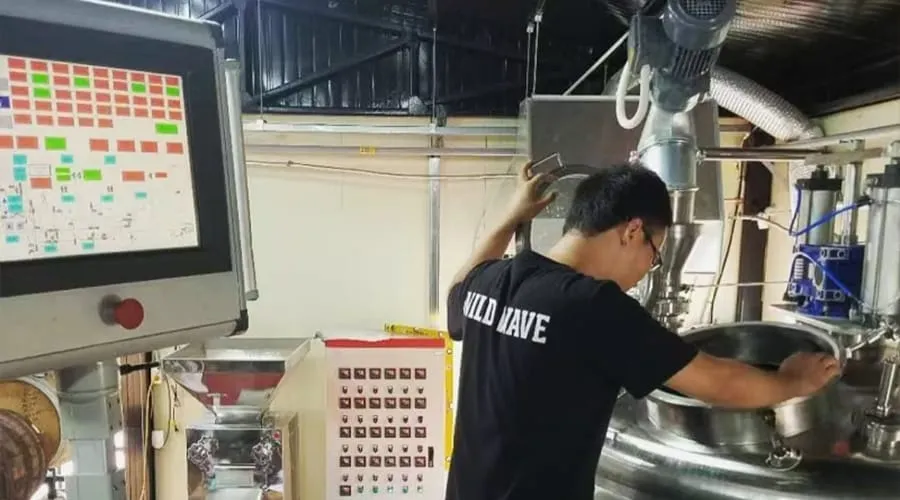
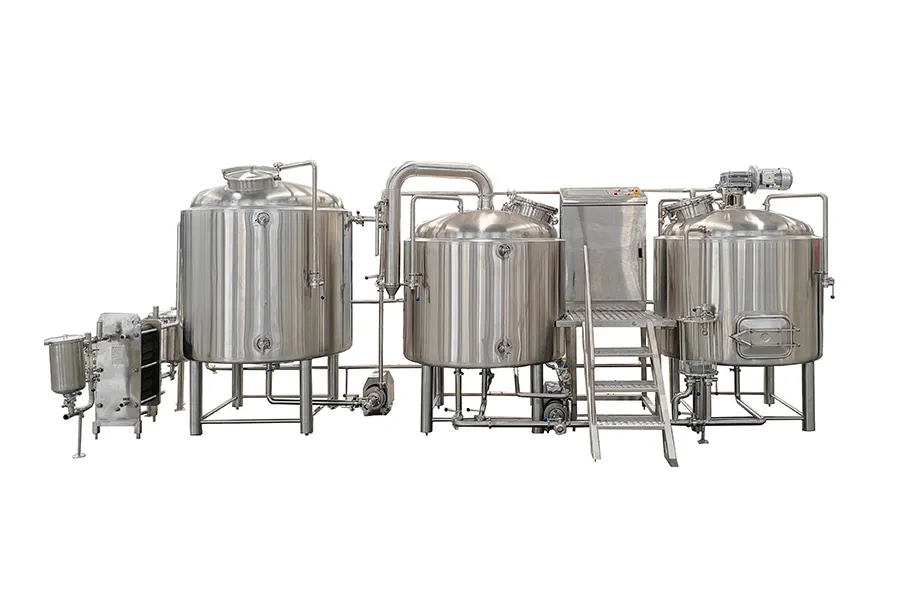
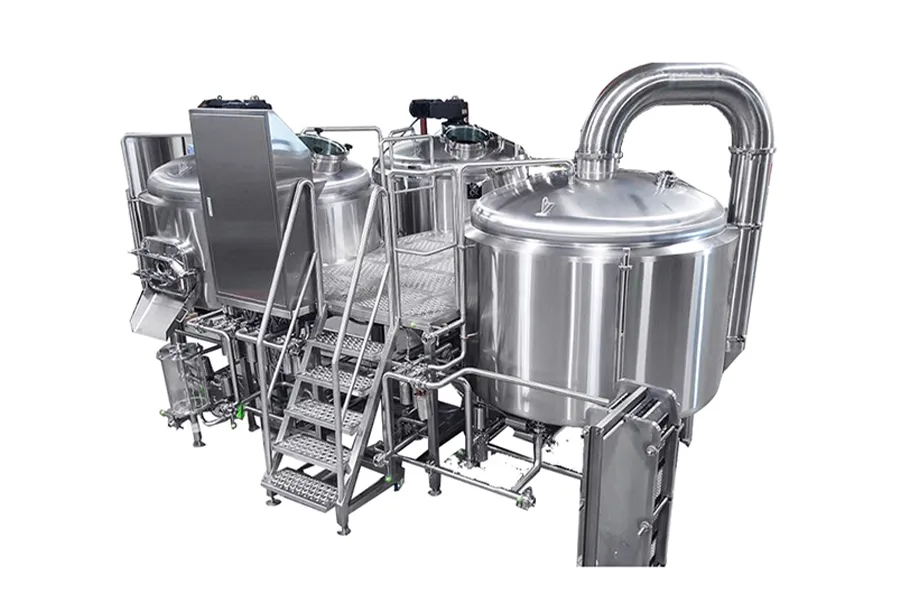
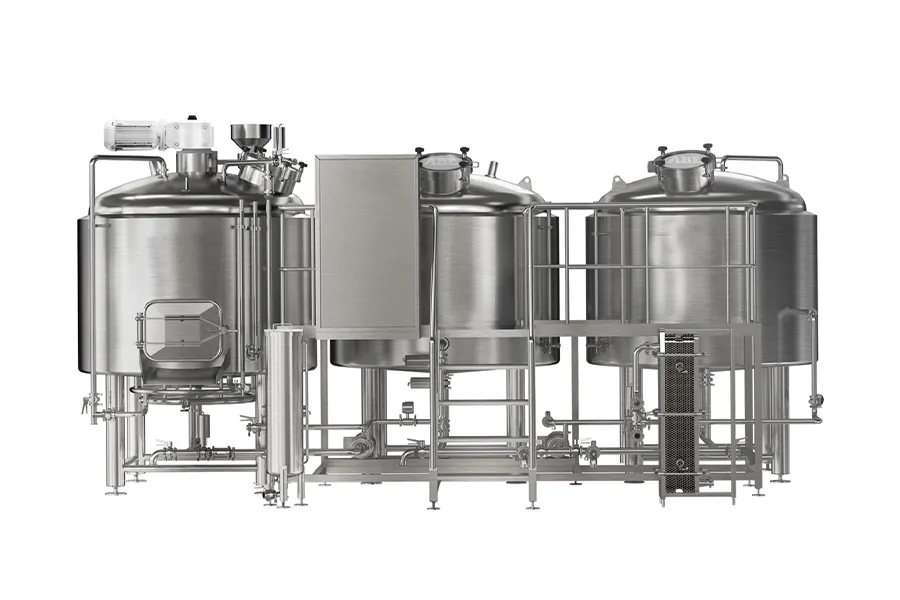
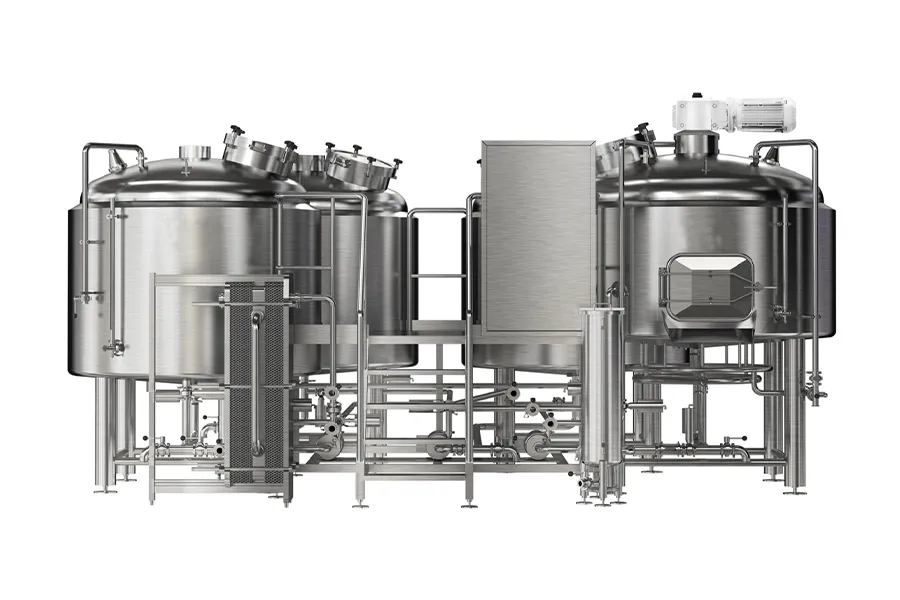
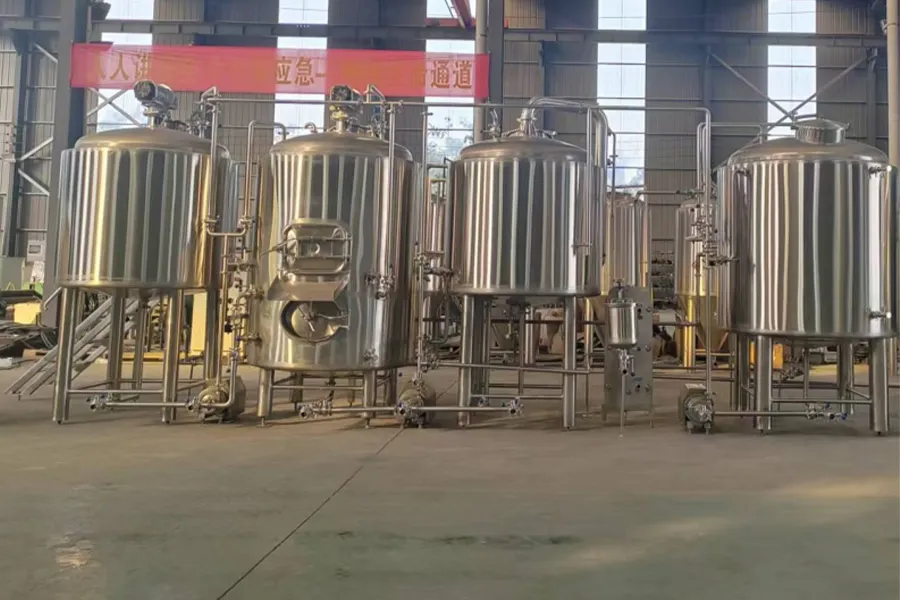
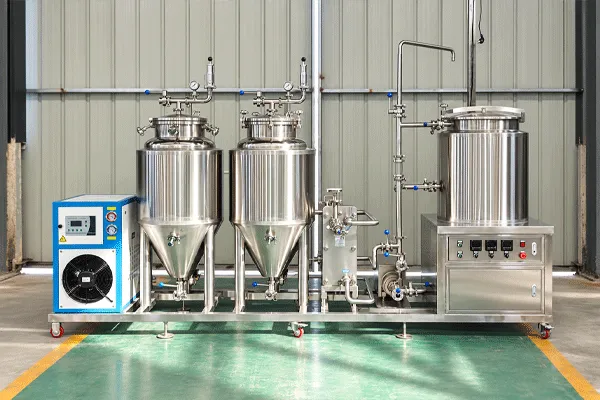
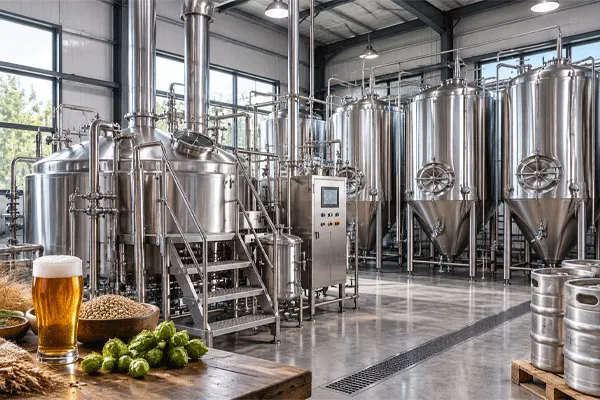
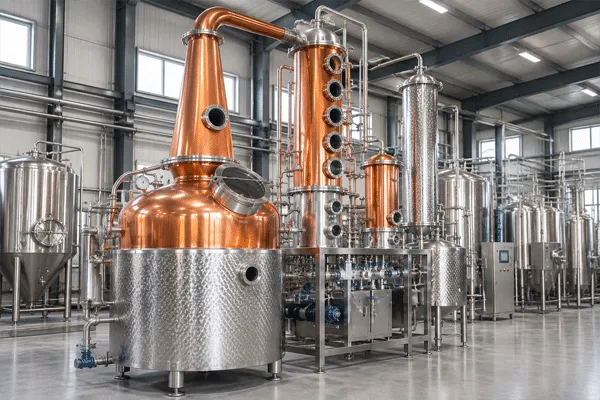
Microbrewery equipment is designed for craft breweries, brewpubs, and growing beer brands that need flexible production without the footprint of a large industrial brewery. ZPET recommends choosing microbrewery equipment by matching batch size, cellar tank capacity, taproom demand, packaging plans, and future expansion goals.
What is included in a microbrewery equipment system?
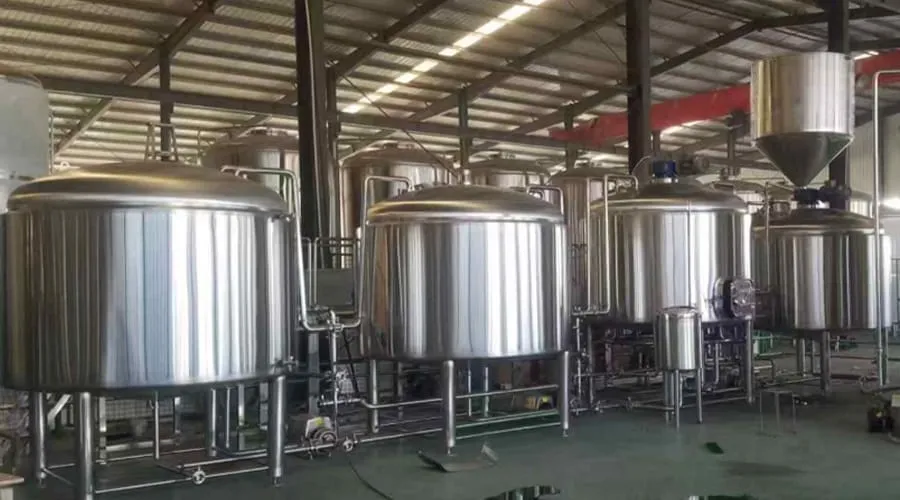
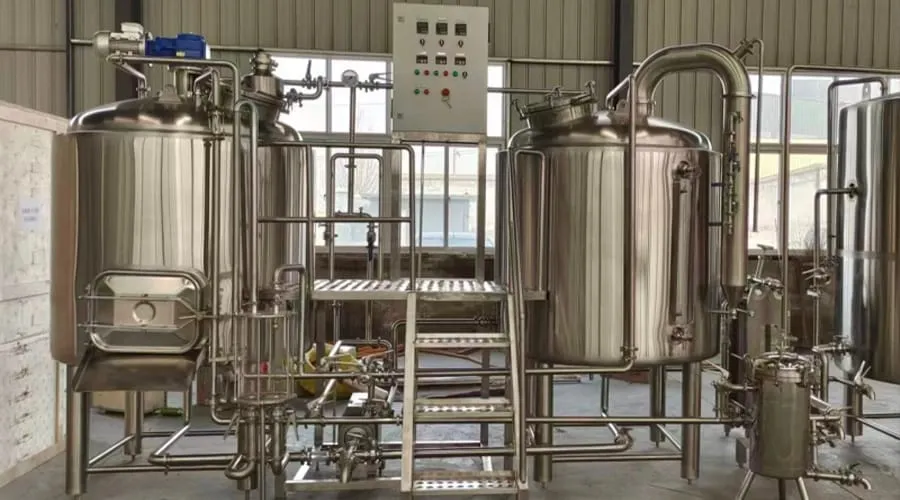
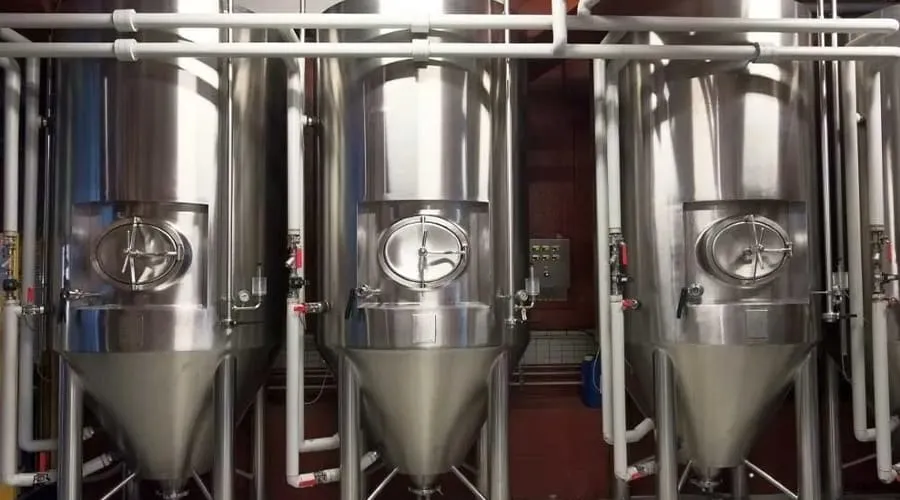
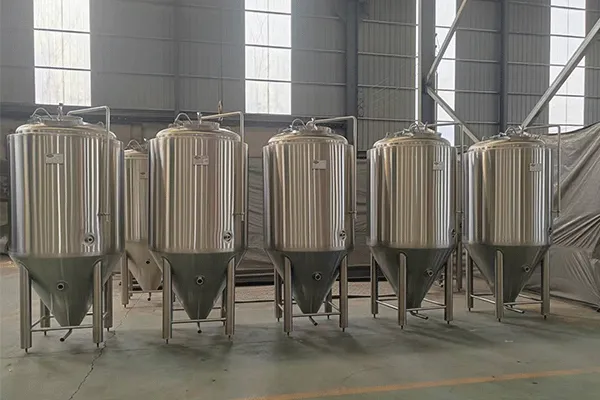
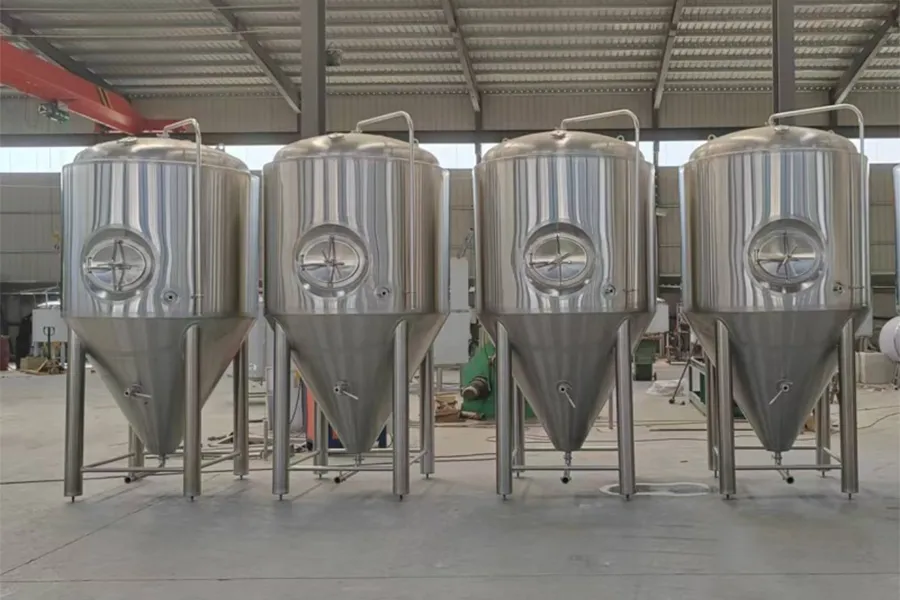
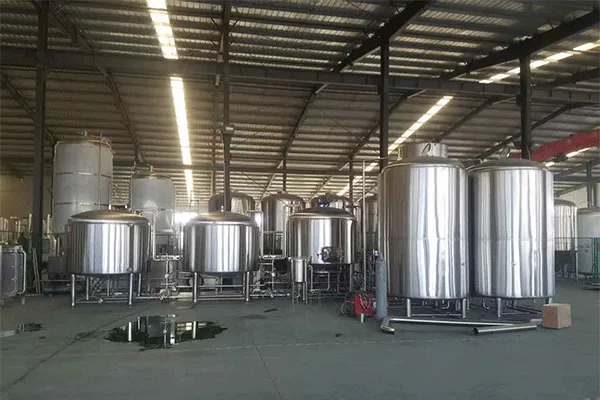
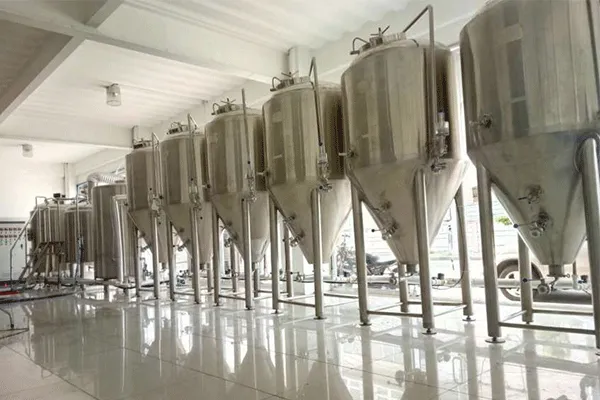
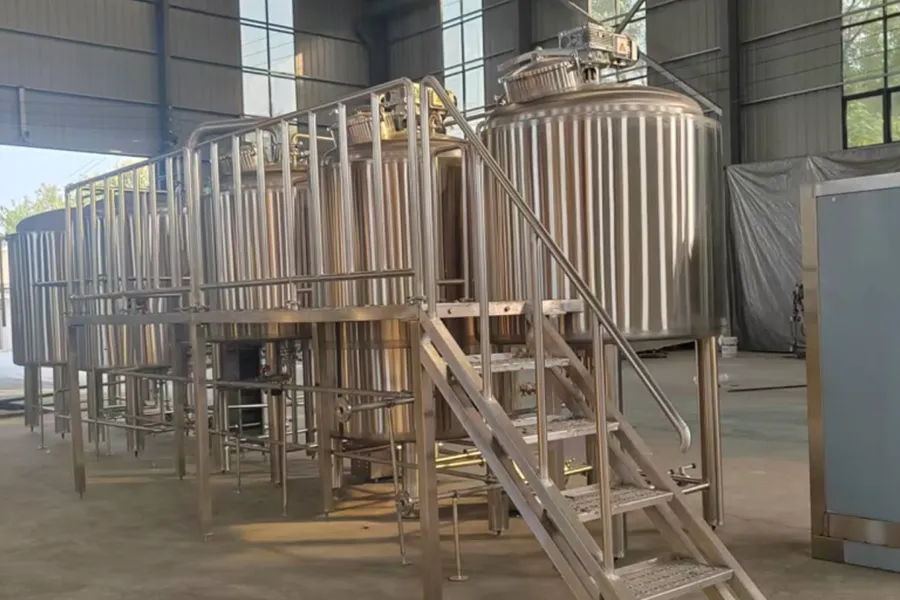
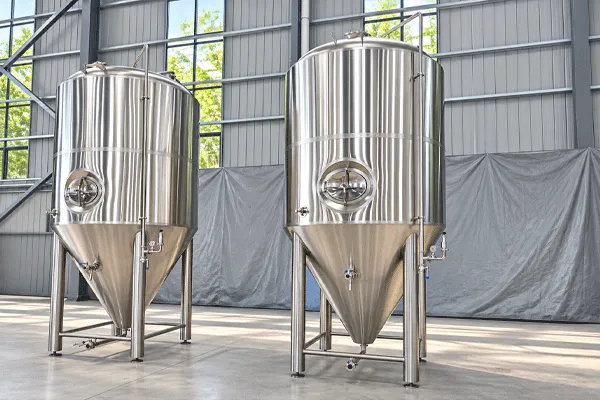
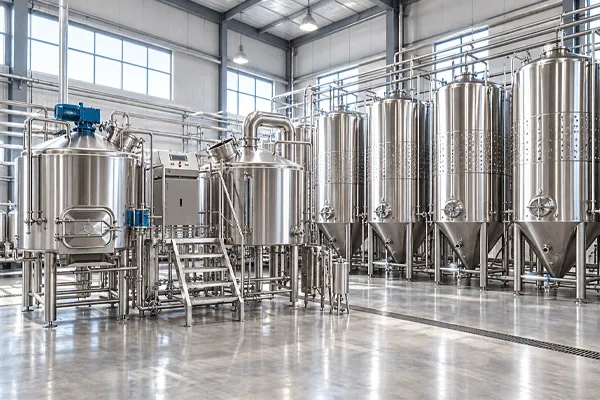
A microbrewery equipment system usually includes a small or medium brewhouse, fermentation tanks, bright beer tanks, cooling, controls, pumps, piping, valves, and cleaning equipment. Some projects also need grain handling, yeast management, keg washing, packaging support, or a taproom serving setup.
What size microbrewery equipment is right for a startup brewery?
The right size depends on expected beer sales, brewing frequency, fermentation time, and available floor space. Many startup buyers compare 300L, 500L, 1000L, and 2000L systems, but the best choice should balance current demand with realistic growth over the next few years.
What is the difference between nano brewery and microbrewery equipment?
Nano brewery equipment is usually smaller and better for pilot batches, taproom testing, or very limited production. Microbrewery equipment is better when the brewery needs repeatable commercial output, multiple fermentation tanks, higher batch efficiency, and a production plan that can support wider sales.
How can a buyer control microbrewery startup costs?
A buyer can control startup costs by choosing the right vessel count, avoiding unnecessary automation, planning tank expansion in phases, and matching equipment to real sales targets. The cheapest system is not always the lowest-cost choice if it limits production, wastes labor, or needs replacement too soon.
Can microbrewery equipment be used for both taproom and packaged beer sales?
Yes, but the system should be planned around serving volume, packaging volume, beer styles, and fermentation schedule. A taproom-focused brewery may prioritize flexible small batches, while packaged beer sales usually require more cellar capacity, consistent output, and stronger packaging coordination.
What information should I send ZPET for a microbrewery quote?
Send your expected batch size, beer styles, monthly sales target, building layout, ceiling height, utility conditions, destination country, budget range, and expansion plan. ZPET can use this information to recommend equipment scope instead of quoting a one-size-fits-all microbrewery package.
Can ZPET microbrewery equipment expand later?
Yes. ZPET can design microbrewery equipment with expansion in mind by planning tank spacing, chiller capacity, pipe routing, controls, and room for additional fermenters or bright tanks. Expansion planning helps a brewery grow without rebuilding the entire production area.
What should I check when comparing microbrewery equipment suppliers?
Check brewhouse design, tank quality, welding and polishing, cooling jacket design, control system, drawings, export experience, warranty, spare parts, and after-sales support. Good supplier comparison should focus on project fit and long-term production reliability, not only the initial equipment price.
Related pages: Brewhouse Systems | Bright Beer Tanks | Contact ZPET