




Buyer FAQ | Last reviewed June 8, 2026
Fermentation Tanks Questions Buyers Ask Before Requesting a Quote
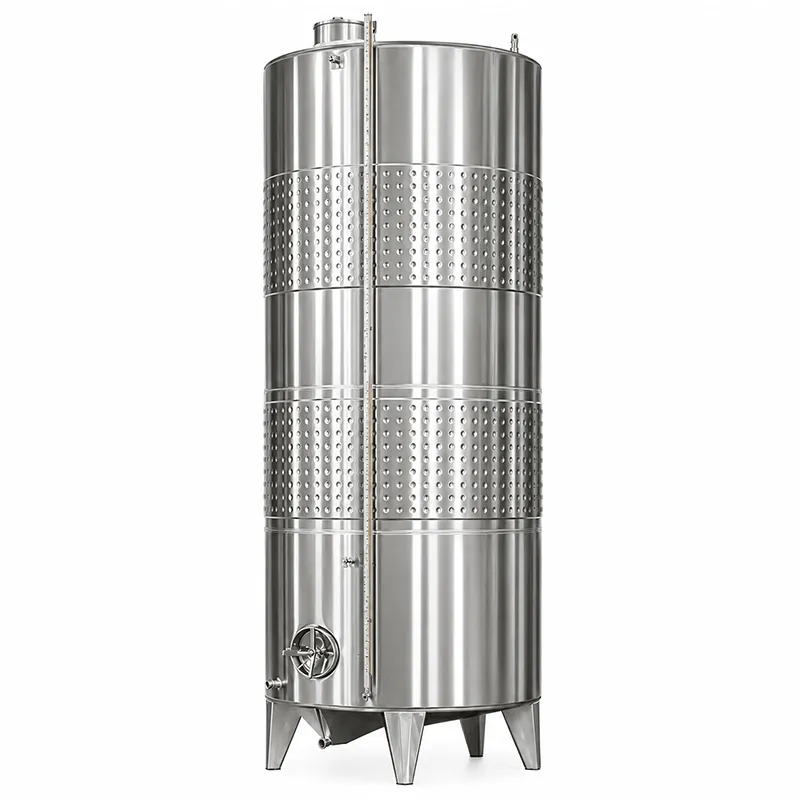
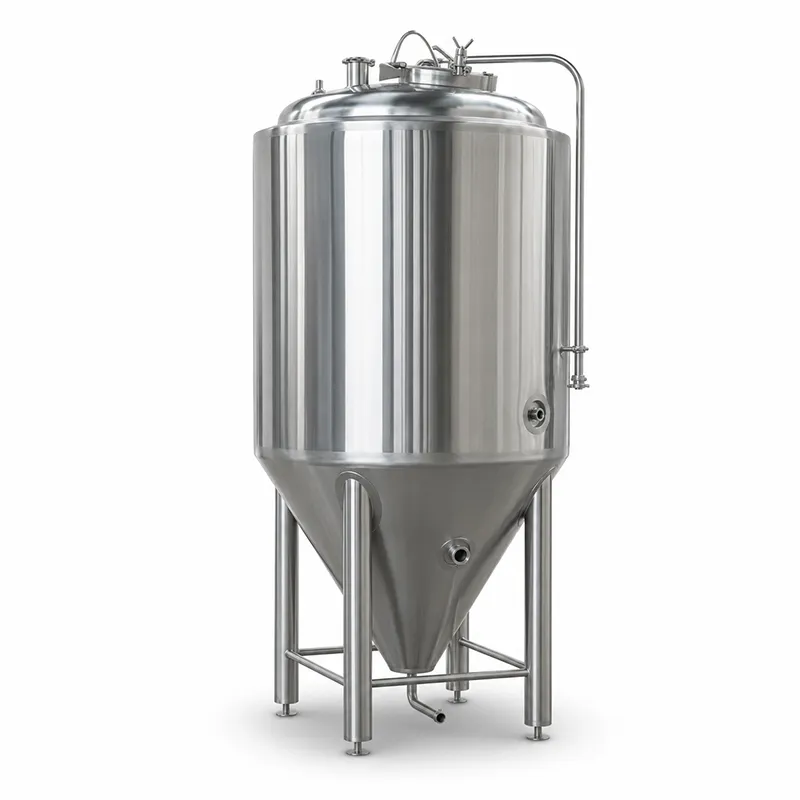
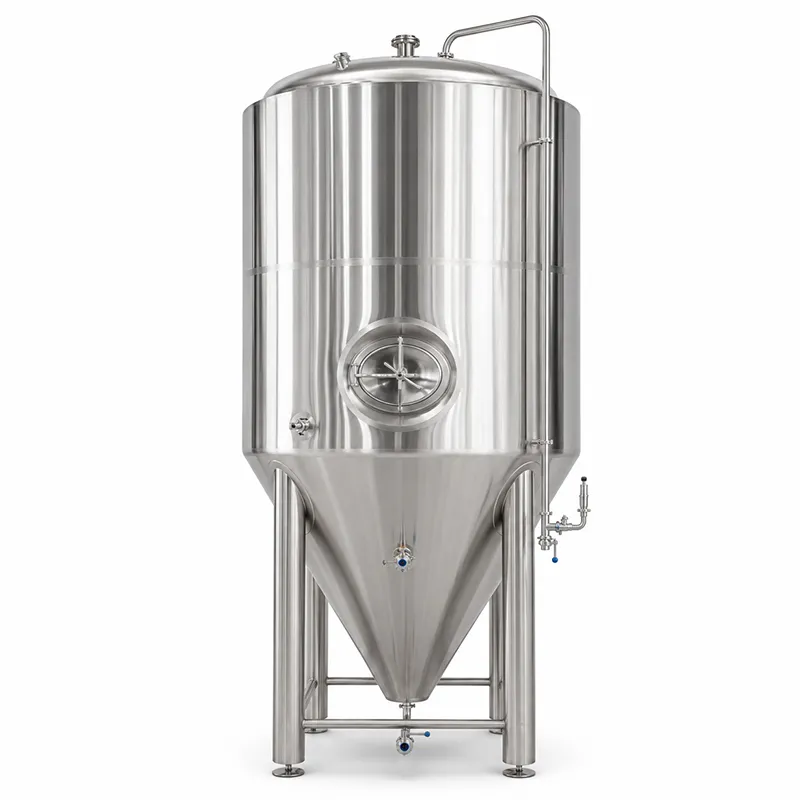
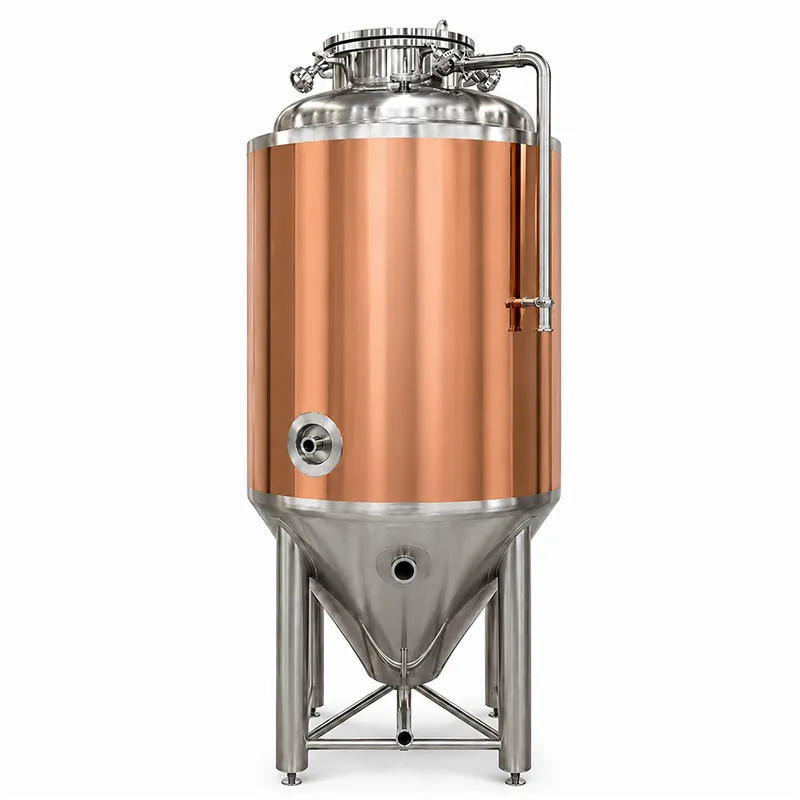
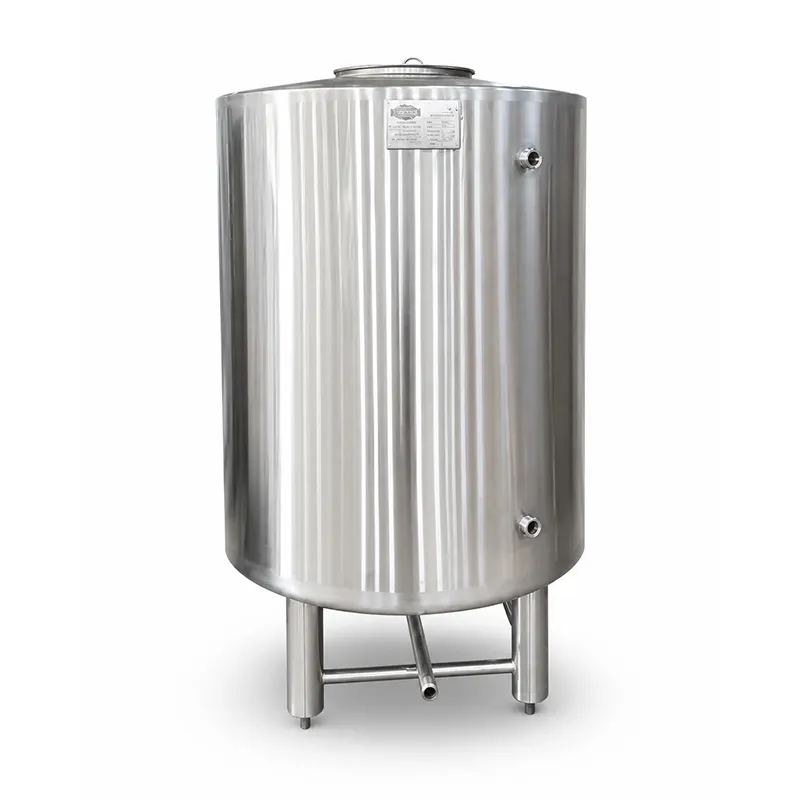
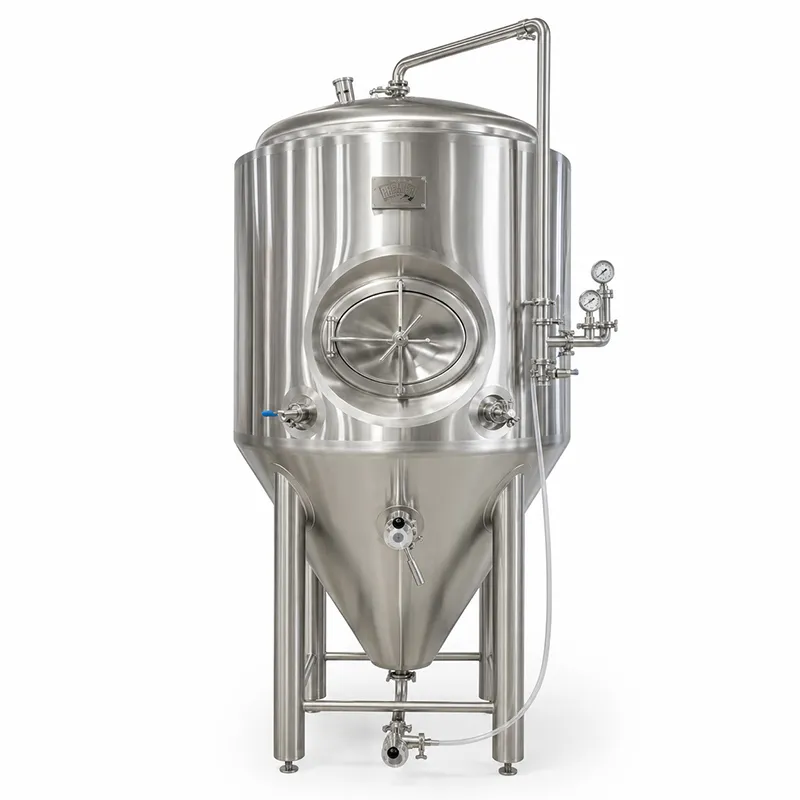
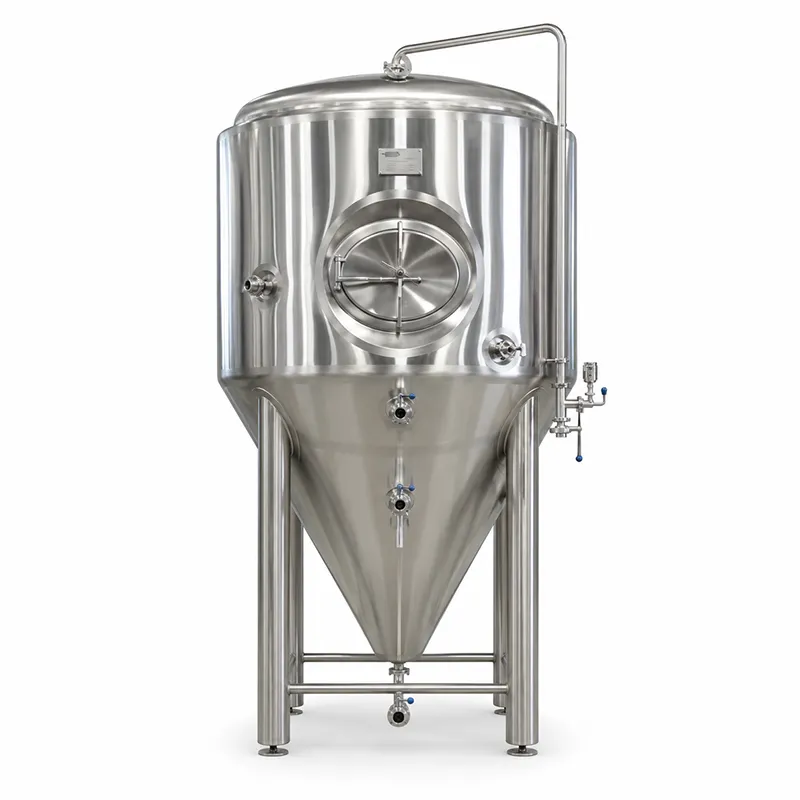
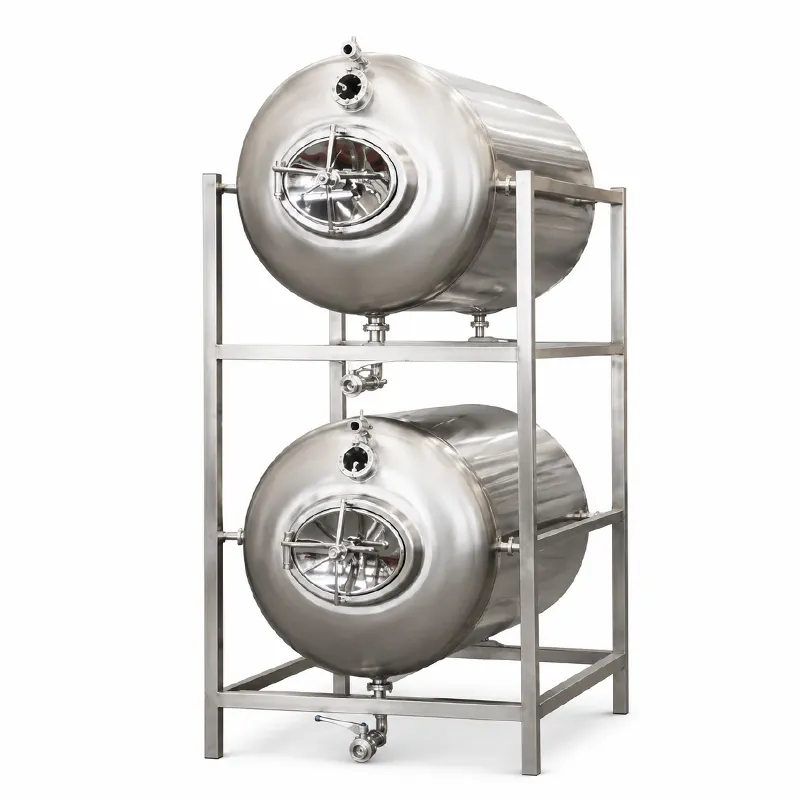
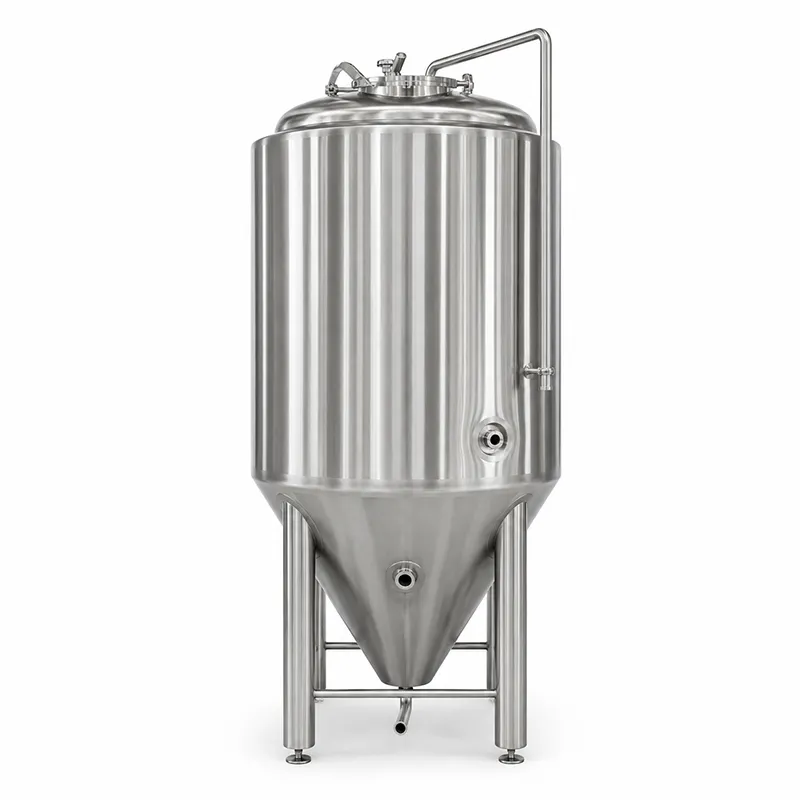
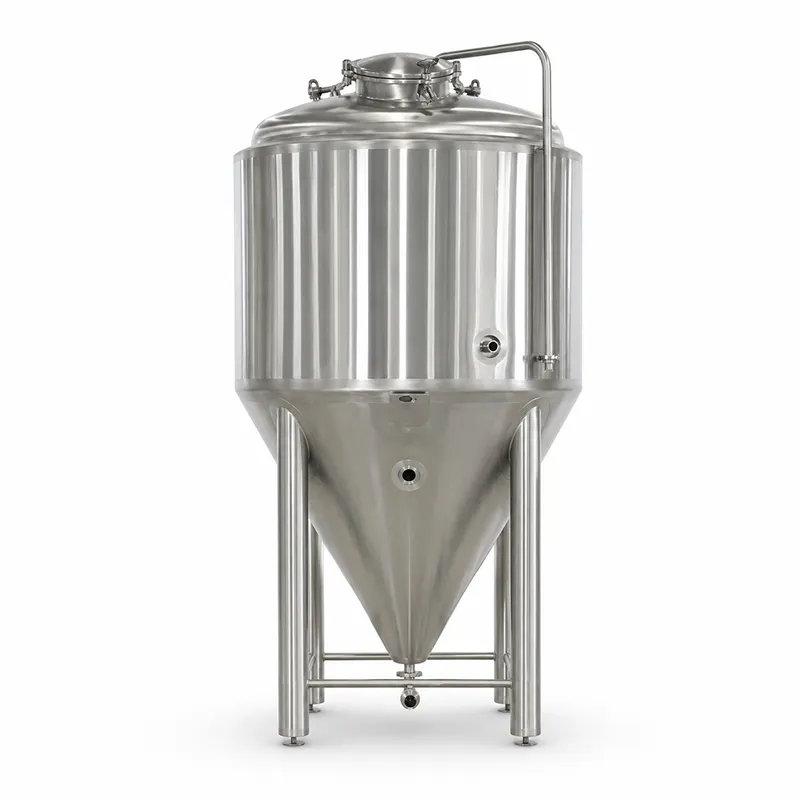
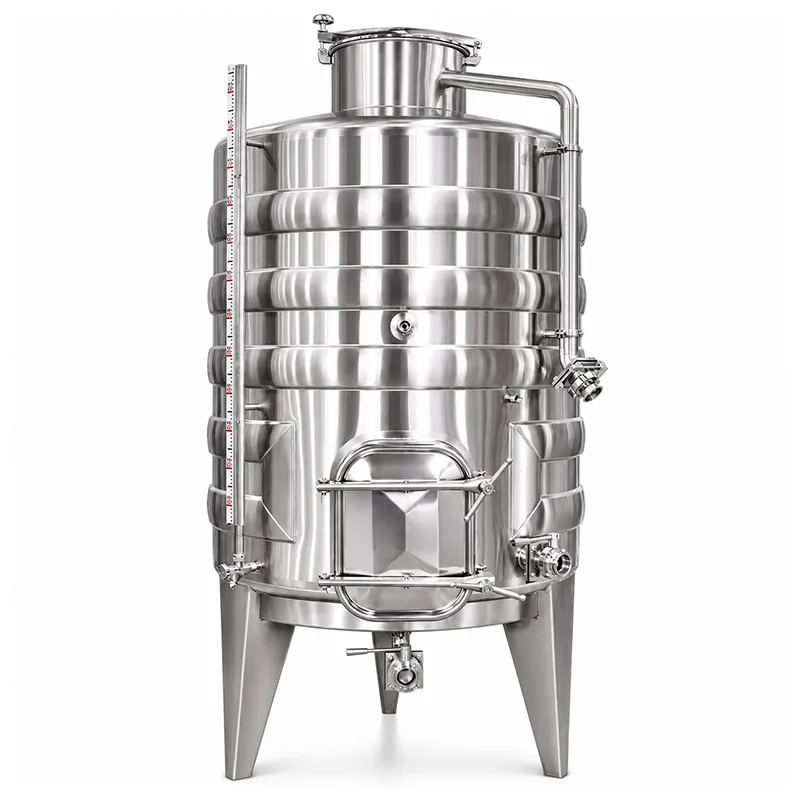
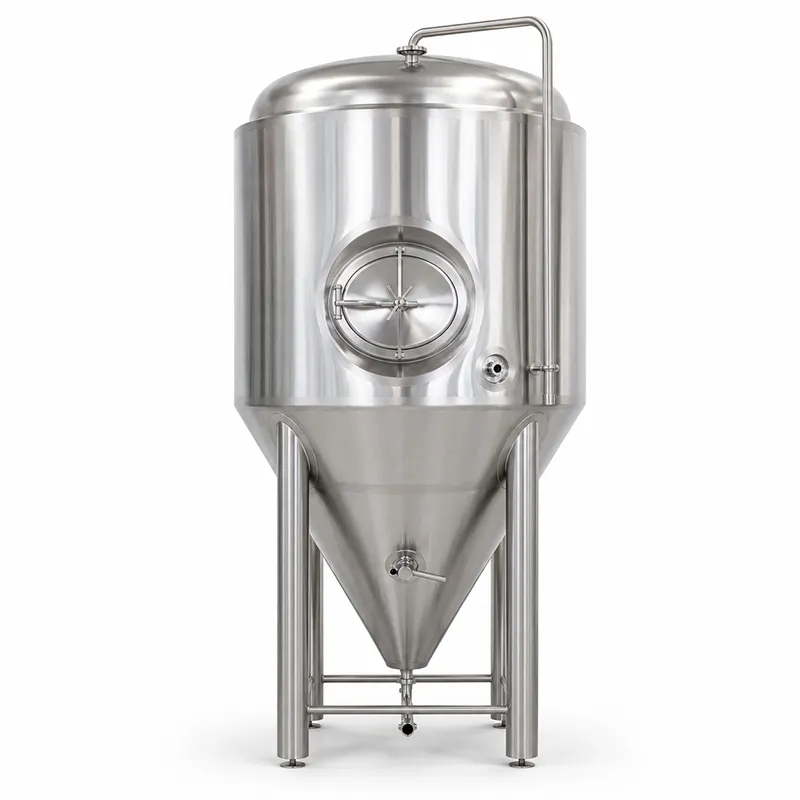
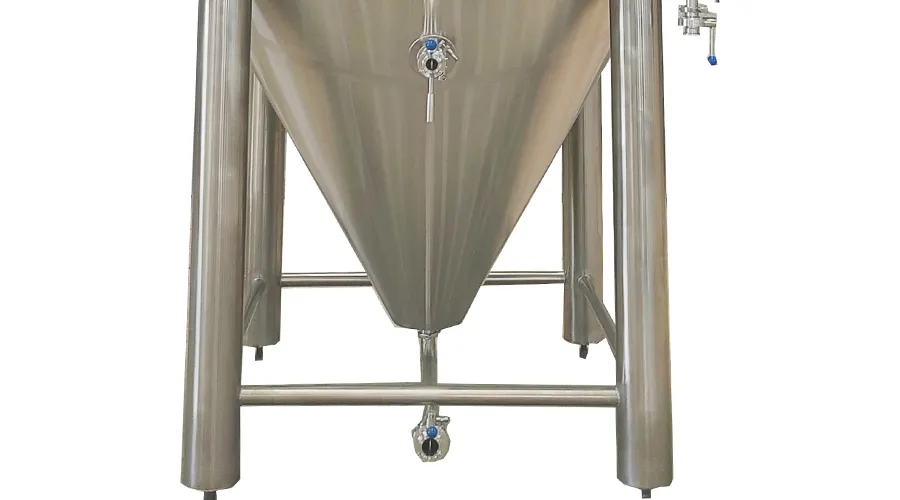
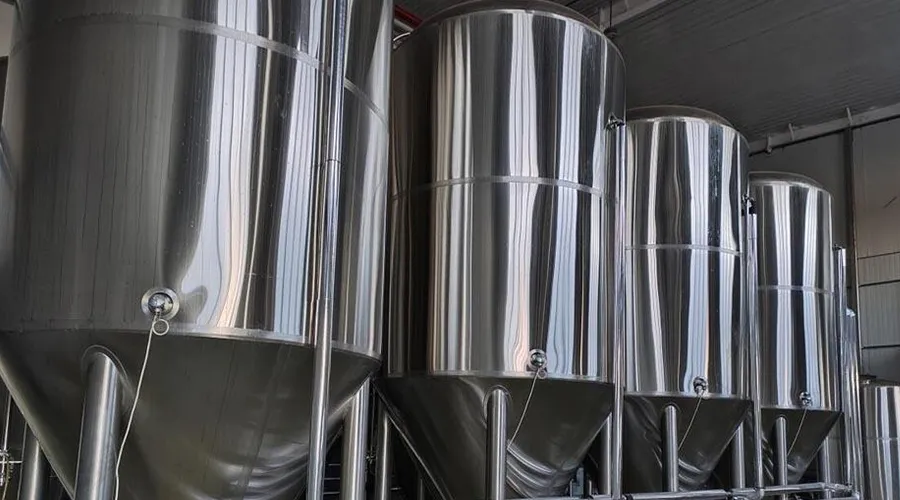
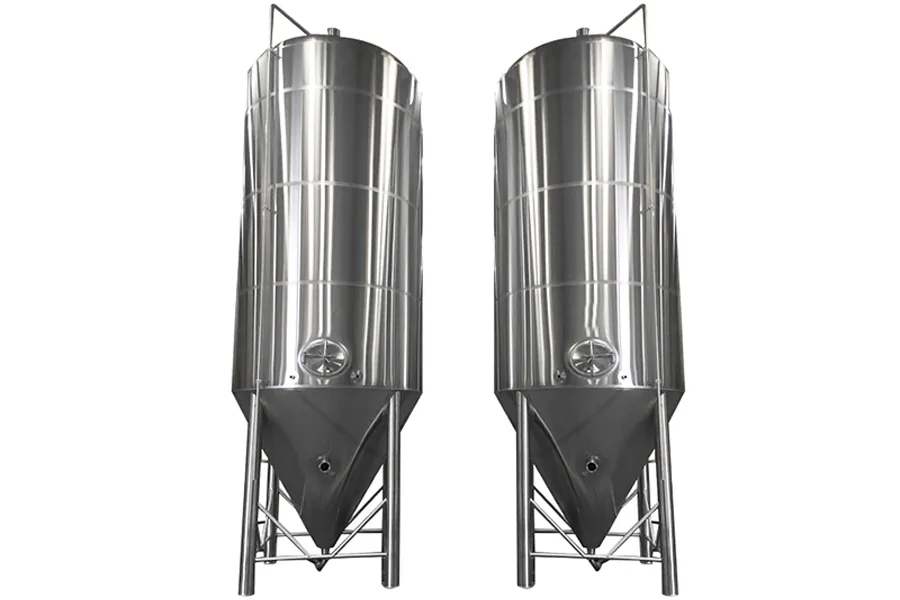
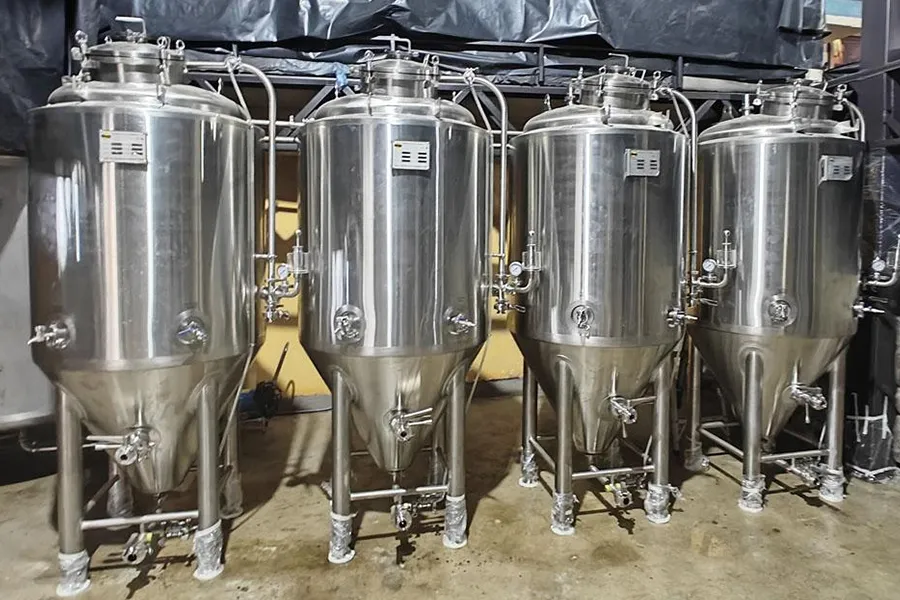
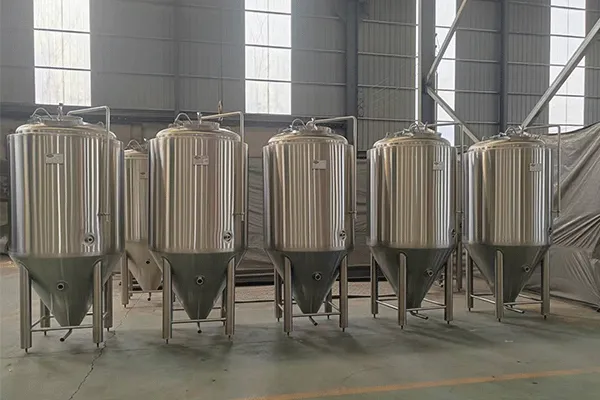
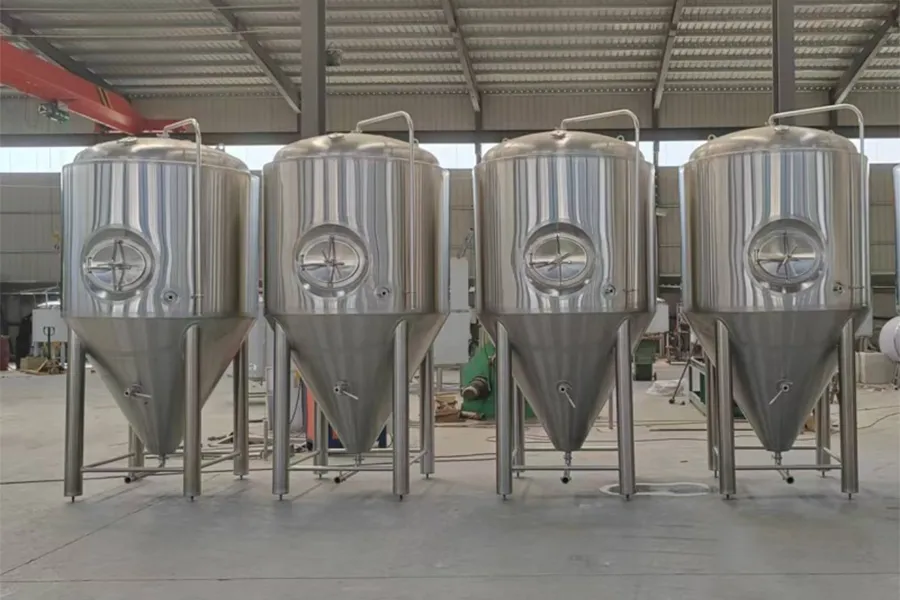
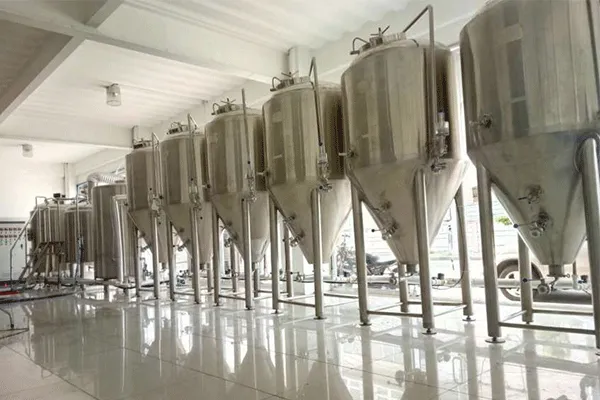
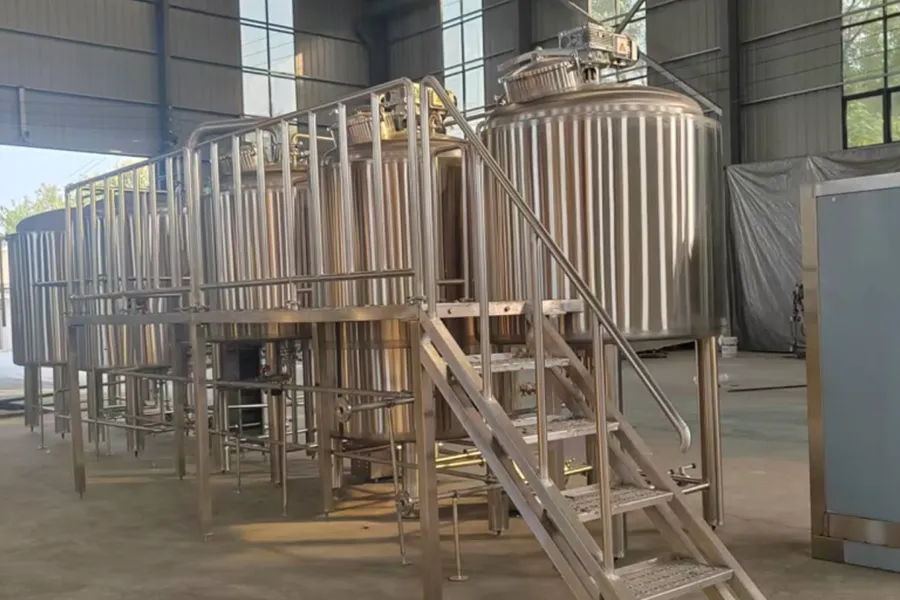
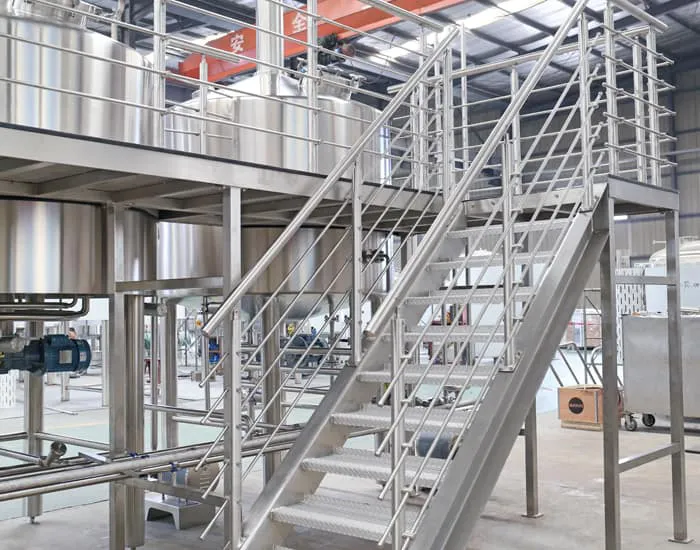
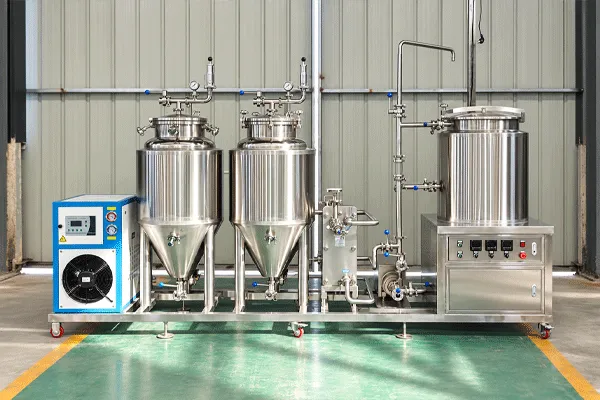
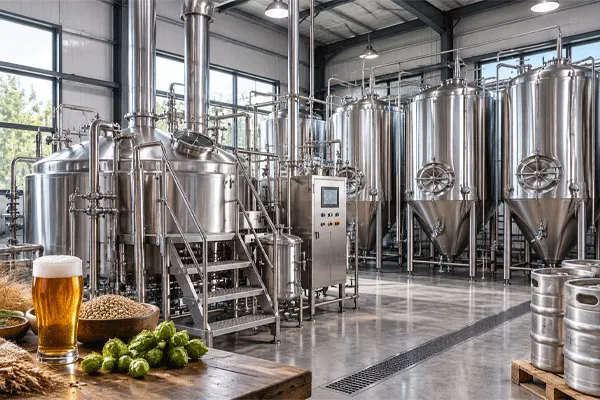
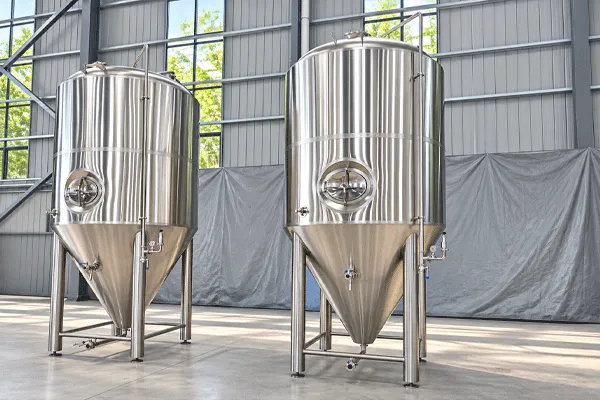
Beer fermentation tanks are stainless steel vessels where wort becomes beer through controlled fermentation and maturation. ZPET recommends choosing fermentation tanks by batch size, beer style, cooling design, pressure needs, manway position, fittings, cleaning method, and available cellar space.
How do I choose the right fermentation tank size?
Choose fermentation tank size based on brewhouse batch volume, fermentation time, brewing frequency, and planned beer output. Many breweries use tanks that match one or two brewhouse batches, but the best choice depends on scheduling, beer style, and how quickly the brewery needs to package or serve beer.
What is the difference between a fermenter, unitank, and bright beer tank?
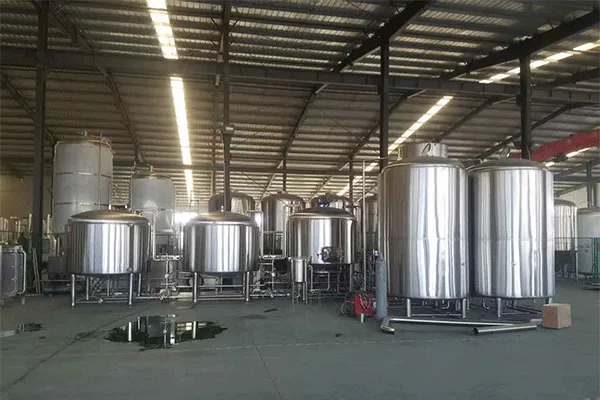
A fermenter is mainly used for fermentation, a unitank can often handle fermentation and conditioning under pressure, and a bright beer tank is used for carbonation, maturation, storage, or serving. Choosing the right mix helps the brewery control production flow and avoid cellar bottlenecks.
Should I choose a top manway or side manway fermentation tank?
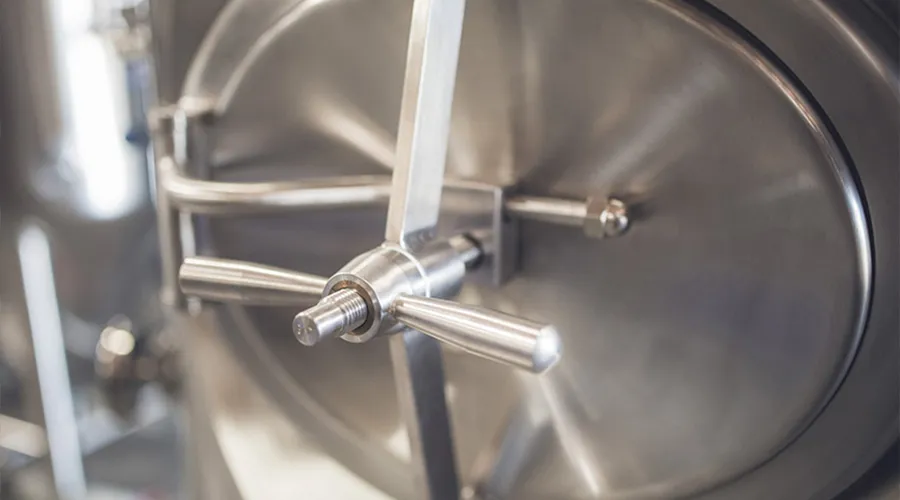
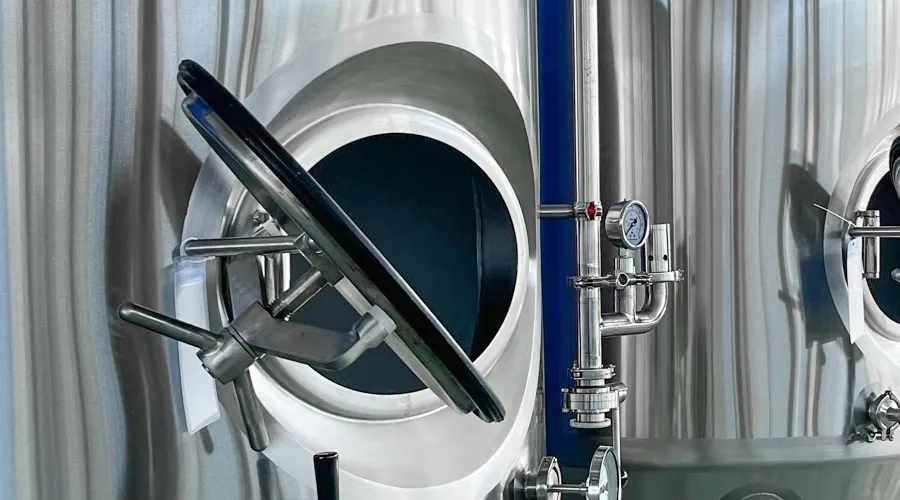
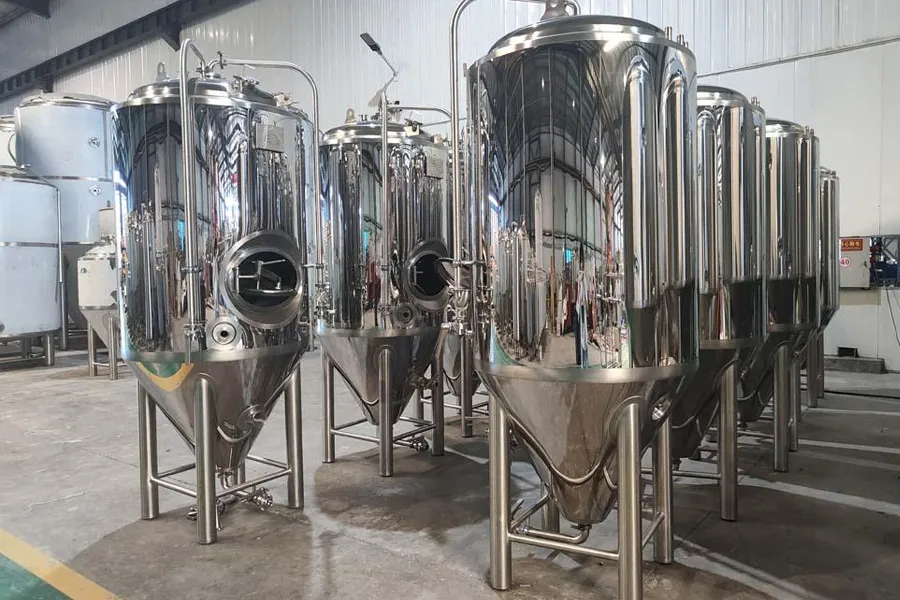
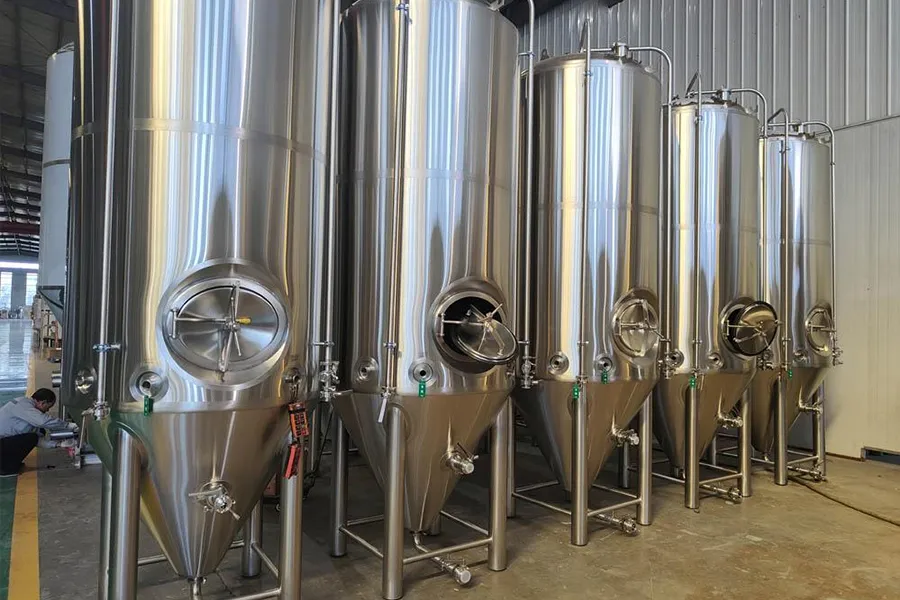
A top manway can save side access space and may suit compact cellars, while a side manway can make cleaning, inspection, and dry hopping access easier. The better choice depends on tank size, cellar layout, operator preference, and maintenance workflow.
Why is cooling jacket design important for fermentation tanks?
Cooling jacket design affects temperature control, fermentation stability, energy use, and beer consistency. A tank should be matched with the brewery chiller, glycol loop, cellar temperature, batch size, and fermentation profile so yeast activity can be managed accurately.
What fittings should a beer fermentation tank include?
Common fermentation tank fittings include manway, pressure relief valve, sample valve, racking arm, CIP spray ball, carbonation or gas port, temperature probe, cooling jacket ports, and beer outlet. The exact fittings should match the brewery process, cleaning method, and packaging plan.
What information should I send ZPET for a fermentation tank quote?
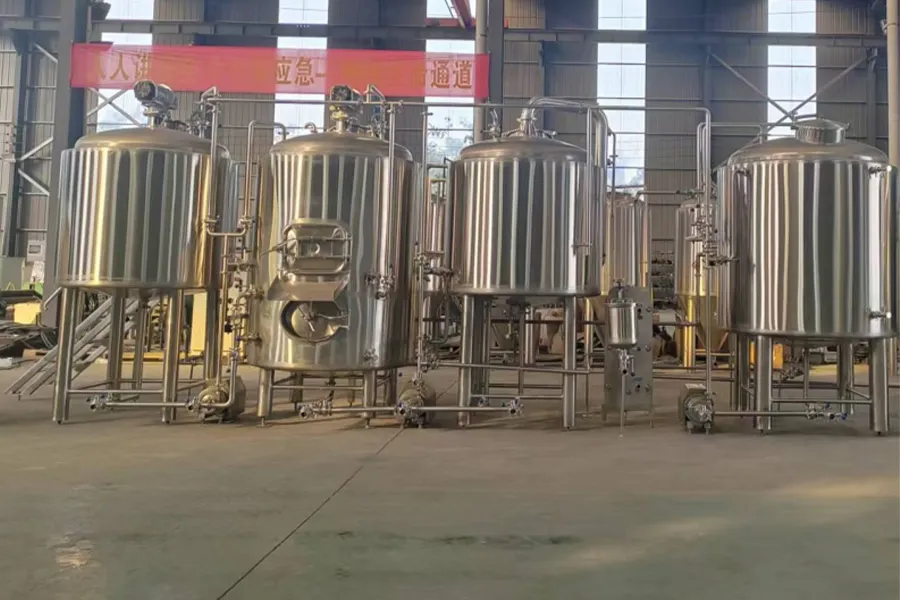
Send target tank volume, diameter or height limits, manway preference, working pressure, cooling method, fitting requirements, quantity, destination country, and whether the tanks must match an existing brewhouse. This helps ZPET quote tanks that fit both the cellar and production process.
Can fermentation tanks be added to an existing brewery later?
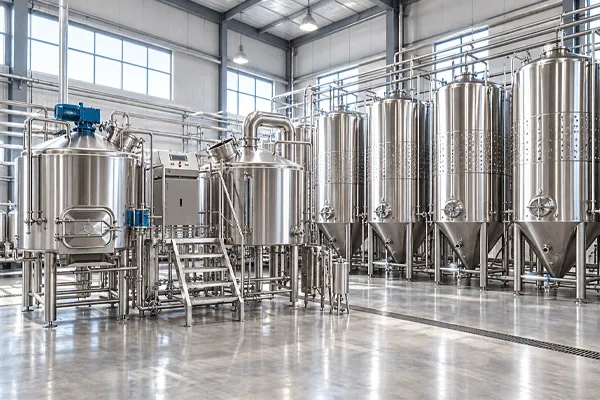
Yes. Fermentation tanks are often added during brewery expansion, but the buyer should confirm floor space, ceiling height, glycol capacity, drainage, power, piping, and production scheduling. Adding tanks without checking utilities can create cooling or workflow bottlenecks.
What should international buyers check before ordering fermentation tanks?
International buyers should check tank drawings, pressure rating, stainless steel material, welding and polishing standard, fittings, packaging method, shipping dimensions, spare parts, and warranty terms. These checks reduce risk because fermentation tanks must arrive ready to install and operate in the local brewery environment.
Related pages: Bright Beer Tanks | Commercial Beer Fermentation Tank | Contact ZPET