
El agua destilada parece limpia, pura y sencilla. Sin embargo, mucha gente sigue preguntándose: ¿por qué no bebemos agua destilada todos los días? La preocupación no es que sea “venenosa”. La cuestión real son los minerales, el sabor, el consumo a largo plazo y el uso adecuado de cada tipo de agua.
Puedes beber agua destilada, y, por lo general, es segura para el consumo si se produce y almacena adecuadamente. Sin embargo, muchas personas no la utilizan como principal fuente de agua potable porque el agua destilada no contiene minerales ni electrolitos, puede tener un sabor insípido y puede que no sea la opción ideal como única fuente de agua a largo plazo.
Esquema del artículo
1. ¿Qué es el agua destilada?
2. ¿Es segura el agua destilada para beber?
3. ¿Por qué hay tanta gente que no bebe agua destilada a diario?
4. ¿Cuáles son los riesgos de beber agua destilada a largo plazo?
5. Agua destilada frente a agua del grifo: ¿cuál es la diferencia?
6. Agua destilada frente a agua purificada, agua filtrada y agua mineral
7. ¿Cuándo se debe utilizar agua destilada?
8. ¿Se puede preparar agua destilada en casa?
9. ¿Por qué es importante la calidad del agua en la producción de bebidas?
10. ¿Cómo deben elegir los fabricantes de bebidas del sector B2B los equipos de tratamiento de agua?
11. Preguntas frecuentes
12. Puntos clave
¿Qué es el agua destilada?
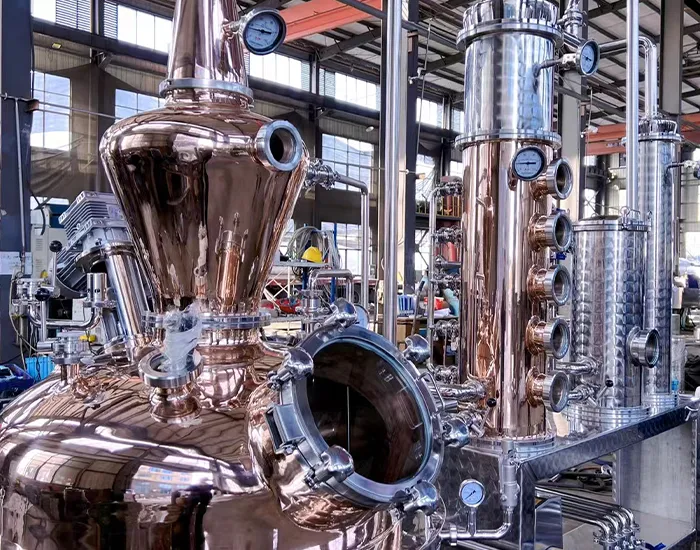
El agua destilada es un tipo de agua purificada que se obtiene mediante la destilación del agua. En pocas palabras, se obtiene hirviendo el agua y condensando luego el vapor para convertirlo de nuevo en líquido. Muchos de los minerales disueltos en el agua, las sales y algunos contaminantes quedan retenidos durante este proceso.
El CDC explica que la destilación puede eliminar bacterias y muchas sustancias químicas, como el arsénico, el bario, el cadmio, el cromo, el plomo, el nitrato, el sodio, el sulfato, el calcio y el magnesio, aunque no elimina algunos compuestos orgánicos volátiles, disolventes volátiles y ciertos pesticidas.
Por lo tanto, el agua destilada es pura en un sentido importante: ha pasado por un proceso en el que se le han eliminado ciertas sustancias. Pero “pura” no siempre significa “la mejor para todos los usos cotidianos”. El agua es agua, sí. Pero el tipo de agua importa dependiendo de si la bebes, la utilizas en un electrodoméstico, la mezclas en una bebida o la necesitas para limpiar.
¿Es seguro beber agua destilada?
Sí, agua destilada Es segura para el consumo siempre que provenga de una fuente limpia y se conserve correctamente. WebMD también señala que el agua destilada es segura para el consumo, pero puede tener un sabor insípido debido a que se le han eliminado minerales como el calcio, el sodio y el magnesio.
La principal preocupación no es la seguridad a corto plazo. Si decides beber agua destilada durante un breve periodo de tiempo, te hidratará. El agua destilada es agua, y tu cuerpo puede utilizarla como líquido. Pero si se convierte en tu única fuente de agua potable durante un tiempo prolongado, la falta de minerales cobra mayor importancia.
Por eso, la pregunta más adecuada no es solo “¿Es seguro beber agua destilada?”. Una pregunta más acertada, tanto para el ámbito B2B como para el consumidor, es: “¿Es el agua destilada la más adecuada para este uso?”. Para el consumo diario, muchas personas prefieren el agua del grifo, el agua filtrada, el agua de manantial o el agua mineral, ya que contienen algunos minerales naturales o añadidos.
¿Por qué hay tanta gente que no bebe agua destilada todos los días?
Muchas personas no beben agua destilada a diario porque no contiene minerales. Durante la destilación, los minerales del agua se eliminan junto con muchas sustancias no deseadas. Esto hace que el agua sea muy limpia, pero también muy sosa.
Minerales como el calcio y el magnesio suelen encontrarse en el agua potable, especialmente en determinadas fuentes de agua del grifo y de agua mineral. La OMS ha analizado las cuestiones sanitarias relacionadas con el consumo prolongado de agua desmineralizada, incluida la agua obtenida mediante procesos que eliminan los minerales.
Otra razón es el sabor. El agua destilada tiene un sabor insípido porque ha perdido los minerales que le dan su sabor característico. Para los fabricantes de bebidas, esto es muy importante. El sabor del agua puede afectar al de la cerveza, la kombucha, la sidra, el café cold brew, la dilución de bebidas espirituosas destiladas y otras fórmulas de bebidas.
¿Cuáles son los riesgos de beber agua destilada a largo plazo?
Los riesgos de beber agua destilada a largo plazo se deben principalmente a que se depende de un agua sin minerales como única fuente de hidratación. El agua destilada no contiene electrolitos, por lo que beber solo agua destilada puede no aportar esa pequeña cantidad de minerales que algunas personas obtienen del agua del grifo.
La publicación de la OMS sobre los nutrientes en el agua potable se elaboró con el fin de examinar las posibles consecuencias para la salud del consumo prolongado de aguas tratadas o modificadas para añadir o eliminar minerales. Esto no significa que un vaso de agua destilada sea peligroso. Significa que la composición del agua a largo plazo merece atención.
En pocas palabras: beber exclusivamente agua destilada puede que no sea la mejor opción si tu dieta también es pobre en minerales. La mayoría de las personas obtienen los minerales de los alimentos, no solo del agua. Sin embargo, el agua con bajo contenido en calcio y magnesio puede que no sea la opción ideal como única fuente diaria de hidratación para todo el mundo.
Agua destilada frente a agua del grifo: ¿cuál es la diferencia?
El agua del grifo suele proceder de la red municipal o de una fuente de agua local. En Estados Unidos, las redes públicas de abastecimiento de agua deben cumplir las normas de seguridad de la EPA, y las empresas de servicios públicos tratan el agua para eliminar los gérmenes y sustancias químicas nocivas.
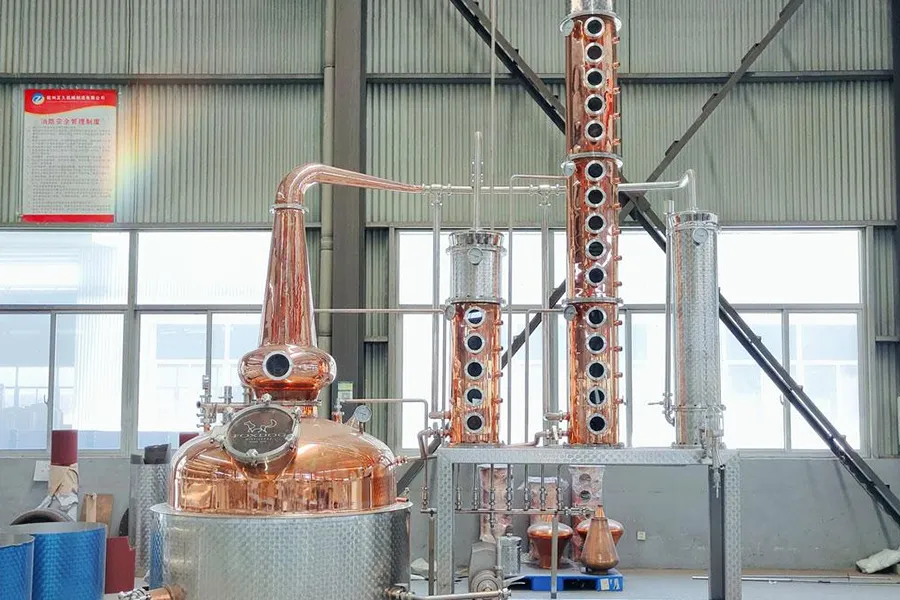
El agua destilada es diferente. El agua destilada se obtiene al hervir el agua hasta convertirla en vapor y condensarla. Este proceso elimina muchos minerales disueltos y numerosos contaminantes, pero no es lo mismo que el tratamiento habitual del agua municipal.
| Tipo de agua | Característica principal | Uso habitual |
|---|---|---|
| Agua del grifo | Agua municipal o local tratada | Beber, cocinar y lavar a diario |
| Agua destilada | Contenido muy bajo en minerales tras la destilación | Uso en laboratorio, máquinas, aplicaciones especiales |
| Agua filtrada | Filtrado a través de un filtro de agua | Drinking water, better taste |
| Mineral water | Contains minerals naturally or by source | Drinking, taste preference |
| Purified water | Treated to reduce impurities | Drinking, beverage production, processing |
For most homes, tap water or filtered tap water is more common for daily drinking. For special machines, labs, and some production uses, distilled water may be better.
Distilled Water vs Purified Water, Filtered Water, and Mineral Water
Purified water is a broad term. It can be made by distillation, reverse osmosis, deionization, or other water purification methods. So, purified water is not always distilled water, but distilled water is a type of purified water.
Filtered water usually passes through a water filter. Depending on the filter type, it may improve taste, reduce chlorine, or remove selected contaminants. But not every filter removes the same substances, so buyers should check the filter specification.
Mineral water contains minerals and often has a stronger taste. Some consumers prefer mineral water or spring water because it feels more natural. Others prefer purified water because it tastes cleaner. The best choice depends on the water source, use, taste, and safety target.
When Should You Use Distilled Water?
The use of distilled water makes sense when low-mineral water is needed. Distilled water is often used in irons, humidifiers, certain batteries, lab work, some cleaning processes, and special equipment where mineral buildup can cause problems.
CDC guidance also recommends distilled or sterilized water, or boiled and cooled tap water, for sinus rinsing instead of using tap water straight from the faucet. This shows a key point: distilled water is not “bad.” It is very useful when the application requires cleaner or more controlled water.
Common uses for distilled water include:
Laboratory testing
Steam irons
Humidifiers
Some medical or hygiene uses
Battery maintenance
Equipment cleaning
Certain beverage and process applications
Making controlled water blends
So, the issue is not whether people can use distilled water. The issue is whether it should be the main long-term drinking water for daily life.
Can You Make Distilled Water at Home?
Yes, you can make distilled water at home with a water distiller. A water distiller heats water until it becomes steam, then cools the steam back into liquid. This is the same basic idea as industrial distillation, but on a smaller scale.
However, storage matters. Clean water can become contaminated if the container is dirty. CDC also notes that bacteria may grow on a distillation system’s cooling coils when the system is not being used.
If you use a water distiller, clean the unit, store the water in clean containers, and follow the manufacturer’s instructions. Water may look clear and still not be handled safely. Good water treatment includes both purification and clean storage.
How Does Water Quality Matter in Beverage Production?
For beverage producers, water is not just water. It is a core ingredient. In beer, water minerals can affect mash chemistry, yeast performance, mouthfeel, and flavor. In kombucha, cider, cold brew coffee, and distilled spirits dilution, water quality can change the final taste.
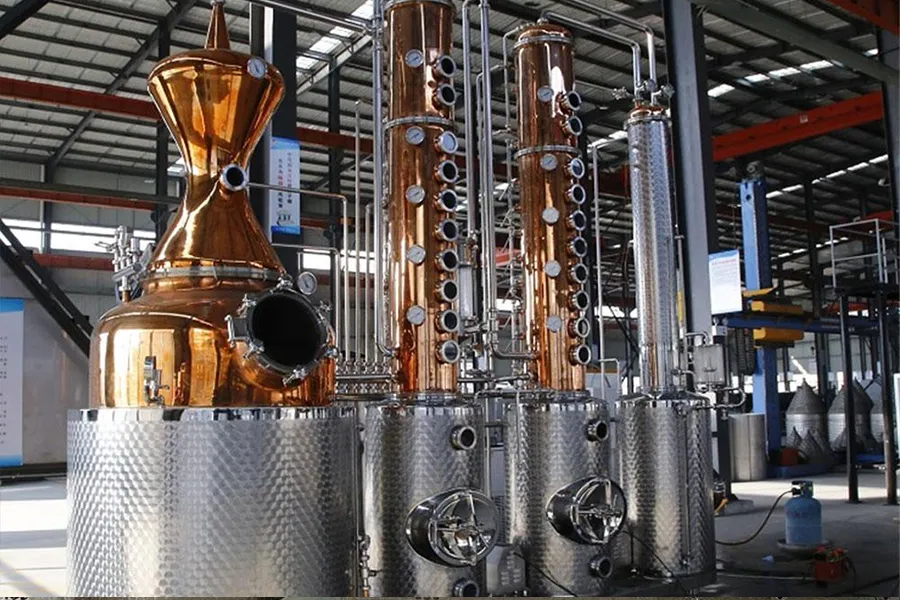
As a professional brewery and beverage equipment manufacturing plant, we provide customized stainless steel brewing systems, fermentation tanks, brewhouse systems, and turnkey brewery solutions for global B2B customers. For these projects, water treatment can support stable brewing performance, repeatable beverage quality, and safer production planning.
In beverage production, producers may use different water treatment methods:
| Water Treatment Method | Why Producers Use It |
|---|---|
| Carbon filtration | Reduces chlorine and improves taste |
| Softening | Controls hardness and scale |
| RO system | Produces low-mineral process water |
| UV sterilization | Helps control microorganisms |
| Mineral adjustment | Builds target water profile |
| Distillation | Special low-mineral water applications |
For craft breweries, wineries, cideries, kombucha producers, cold brew coffee producers, and distilleries, the best water is the water that matches the recipe and process.
How Should B2B Beverage Producers Choose Water Treatment Equipment?
B2B beverage producers should not choose water treatment equipment only by price. They should first test the local water. Then they should match the water treatment system to the product, capacity, and cleaning process.
A practical checklist includes:
1.Test the water source
Check hardness, alkalinity, chlorine, TDS, iron, manganese, microbes, and taste.
2.Define the beverage type
Beer, kombucha, cider, wine, spirits, and cold brew coffee may need different water profiles.
3.Choose the right water treatment
A water filter, RO system, UV unit, softener, or mineral dosing system may be needed.
4.Protect equipment
Good water treatment can reduce scale in boilers, heat exchangers, CIP systems, and stainless steel tanks.
5.Plan production growth
A beverage startup may begin small, but a commercial brewery needs room to expand.
6.Connect water and process layout
Water treatment should match brewhouse systems, fermentation tanks, CIP, packaging, and utilities.
For global B2B customers, turnkey planning reduces risk. A good equipment partner should understand stainless steel equipment, production layout, water treatment, installation support, and long-term service.
Should Beverage Producers Drink Distilled Water or Use It in Production?
For daily human drinking, many people prefer tap water, filtered water, or mineral water. But in beverage production, distilled or demineralized water may be useful as a blank base that can be adjusted.
For example, a brewery may use RO or low-mineral water and then add minerals back to create a stable water profile. A distillery may use controlled water for proofing spirits. A cold brew coffee producer may adjust minerals for better extraction and taste.
So, distilled water could be useful in production, but it is not always ready-to-use recipe water. Beverage quality depends on balance. Sometimes removing minerals is the first step. Adding the right minerals back may be the second step.
FAQs About Drinking Distilled Water
Can you drink distilled water?
Yes, you can drink distilled water if it is properly produced and stored. It is generally safe to drink, but many people do not use it as their main long-term drinking water because it lacks minerals and tastes flat.
Why do people say not to drink distilled water?
People usually say this because distilled water contains no minerals or electrolytes. Drinking only distilled water for a long time may not be ideal, especially if a person’s diet is also low in minerals.
Is distilled water better than tap water?
Not always. Distilled water is very low in minerals and many impurities. Tap water may contain minerals and is commonly used as a source of drinking water when it meets local safety standards. The better choice depends on water quality and purpose.
Is distilled water the same as purified water?
Distilled water is a type of purified water, but not all purified water is distilled. Purified water may be treated by reverse osmosis, filtration, deionization, or other methods.
Can distilled water be used in beverage production?
Yes. Distilled or low-mineral water can be useful in some beverage production processes, especially when producers want controlled water chemistry. However, many beverages need mineral adjustment for taste and process stability.
What is the best water to drink every day?
For most people, safe tap water, filtered water, or mineral water can be suitable for daily drinking. People with special health needs should follow advice from a qualified health professional or local public health authority.
Puntos clave
You can drink distilled water, and it is generally safe when properly produced and stored.
Many people do not drink distilled water every day because it has no minerals and may taste flat.
The main concern is distilled water long-term use as the only drinking water source.
Distillation removes many contaminants, but it does not remove every volatile chemical.
Tap water, filtered water, purified water, mineral water, and distilled water all have different uses.
Distilled water is often useful for machines, labs, cleaning, and controlled production processes.
For beverage production, water quality affects taste, stability, equipment protection, and final product quality.
B2B beverage producers should test their water before choosing water treatment equipment.
A turnkey beverage equipment supplier can help connect water treatment, brewing systems, fermentation tanks, CIP, utilities, and production layout.
The best water is not always the “purest” water. It is the water that fits the purpose.