Le kombucha est un thé fermenté préparé à partir de thé sucré, d'un scoby, d'un liquide de démarrage et de temps. Pour beaucoup, apprendre à faire du kombucha chez soi est à la fois pratique et agréable, car cela leur permet de contrôler la saveur, la douceur, l'acidité, la gazéification et le processus de fermentation.
Ce guide sur la fabrication du kombucha explique en termes simples l'ensemble du processus de fermentation. Vous découvrirez le rôle du scoby, l'importance du thé de démarrage, comment préparer une recette de base de kombucha, comment gérer votre première fermentation, et comment garantir la sécurité, la propreté et la régularité de chaque lot.
Plan de l'article
1. Qu'est-ce que le kombucha et pourquoi les gens le préparent-ils chez eux ?
2. Qu'est-ce qu'un Scoby et pourquoi est-il important pour la fermentation du kombucha ?
3. De quels ingrédients a-t-on besoin pour préparer du kombucha ?
4. Comment suivre une recette de base de kombucha ?
5. Comment se déroule la première fermentation ?
6. Comment savoir quand le kombucha est prêt ?
7. Comment conserver le levain de thé pour la prochaine préparation ?
8. Qu'est-ce qu'un « Scoby Hotel » et dans quels cas en a-t-on besoin ?
9. Comment aromatiser le kombucha et lui apporter de la gazéification ?
10. Quelles sont les erreurs courantes à éviter lorsque l'on prépare du kombucha chez soi ?
1. Qu'est-ce que le kombucha et pourquoi les gens le préparent-ils chez eux ?
Kombucha C'est un thé fermenté obtenu en mélangeant du thé infusé, du sucre, un culture de départ et un scoby. La boisson développe une saveur vive et acidulée à mesure que les bactéries et les levures fermentent lentement le thé sucré. Beaucoup de gens apprécient le kombucha car il est rafraîchissant, peut être personnalisé avec des fruits ou des herbes, et offre aux amateurs de fabrication maison une façon concrète de s'initier à la fermentation.
Lorsque vous préparez du kombucha chez vous, vous contrôlez les ingrédients, la durée de fermentation et l'équilibre des saveurs. Le kombucha vendu en magasin et celui du commerce peuvent être pratiques, mais le préparer soi-même offre davantage de flexibilité. Vous pouvez obtenir un kombucha plus léger et plus sucré, ou le laisser fermenter plus longtemps pour obtenir un thé fermenté au profil plus corsé et plus acidulé.
Fabriquer son propre kombucha est également économique dès lors que l'on dispose d'un scoby en bonne santé et d'un liquide de démarrage. Après la première cuvée, vous pouvez conserver le thé de démarrage et l'utiliser pour la suivante. Ce cycle vous permet de préparer régulièrement une cuvée à l'aide d'outils simples et en suivant des étapes reproductibles.
2. Qu'est-ce qu'un Scoby et pourquoi est-il important pour la fermentation du kombucha ?
On décrit souvent le scoby comme une culture symbiotique de bactéries et de levures. Dans la fabrication pratique du kombucha, le scoby contribue à transformer le thé sucré en kombucha fermenté. Le terme « scoby » désigne la culture vivante, tandis que la couche caoutchouteuse qui se forme à la surface est souvent appelée « pellicule ».
Un scoby de kombucha, associé à un liquide de démarrage, permet d'acidifier le thé et de favoriser le processus de fermentation. La culture de bactéries et de levures consomme le sucre, produit des acides organiques et contribue à donner au kombucha son goût acidulé caractéristique. Sans un scoby et un liquide de démarrage en bon état, la préparation risque de ne pas fermenter correctement.
Au fil du temps, un nouveau scoby peut se former à la surface de votre bocal de fermentation. Le scoby se développe différemment selon la température, la concentration du thé, la teneur en sucre et les conditions de préparation. Certains scobys sont épais et lisses, tandis que d’autres présentent un aspect irrégulier. Son apparence peut varier, mais son odeur doit être agréablement acidulée, sans note de pourri ni de moisi.
3. De quels ingrédients a-t-on besoin pour préparer du kombucha ?
Pour préparer du kombucha, il vous faut du thé, du sucre, de l'eau, un liquide de démarrage et un scoby. On utilise généralement du thé noir, car il apporte des nutriments qui favorisent le développement des levures et des bactéries. Le sucre de canne est un choix sûr, car il se dissout facilement et fournit à la culture les nutriments dont elle a besoin pour fermenter.
Pour une préparation classique de kombucha d’un gallon, de nombreux amateurs utilisent environ 4 tasses de concentré de thé chaud, 1 tasse de sucre, suffisamment d’eau froide pour remplir le bocal, 2 tasses de culture de départ et un scoby en bonne santé. Vous pouvez également utiliser 2 tasses de thé de démarrage provenant d'un lot précédent de kombucha. Si vous commencez sans votre propre culture, du kombucha non aromatisé acheté en magasin peut servir de base de démarrage, mais il doit être brut et non aromatisé.
Vous aurez également besoin d'un bocal propre, d'une mousseline ou d'un tissu perméable à l'air pour le recouvrir, ainsi que d'un élastique pour maintenir le tissu en place. Évitez de fermer hermétiquement le bocal pendant la première fermentation, car la préparation a besoin d'être aérée. Conservez le kombucha à température ambiante, à l'abri de la lumière directe du soleil.
4. Comment suivre une recette de base de kombucha ?
Une recette de base de kombucha commence par faire chauffer de l'eau. Portez l'eau à ébullition, laissez infuser le thé, puis dissolvez complètement la quantité de sucre indiquée tant que le thé est encore chaud. Une fois l'infusion terminée, retirez les feuilles ou les sachets de thé et laissez refroidir complètement le thé sucré avant d'y ajouter le scoby.
N'ajoutez jamais un scoby à du thé chaud, car la chaleur peut endommager la culture. Une fois que le thé a atteint la température ambiante, versez-le dans le bocal de fermentation, ajoutez le liquide de démarrage, puis déposez délicatement le scoby sur le dessus. Couvrez le bocal d'un linge et maintenez-le en place à l'aide d'un élastique. Cette recette simple de kombucha constitue la base de la plupart des kombuchas faits maison.
Si vous vous apprêtez à préparer votre première cuvée, respectez scrupuleusement les proportions et veillez à ce que tout soit propre. Cette première cuvée vous permettra de mieux comprendre à quelle vitesse la fermentation se déroule dans votre environnement. En général, les pièces plus chaudes accélèrent la fermentation du kombucha, tandis que les pièces plus fraîches la ralentissent.
5. Comment se déroule la première fermentation ?
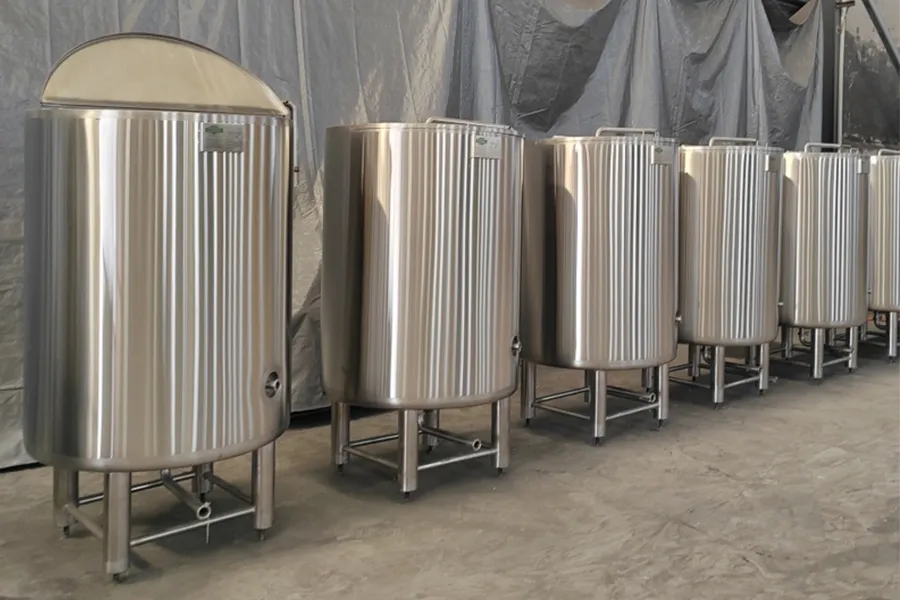
La première fermentation, également appelée « 1re fermentation », est l'étape principale au cours de laquelle le thé sucré se transforme en kombucha. Au cours de cette étape, le scoby et le liquide de démarrage agissent ensemble pour faire fermenter le thé. Au fil du temps, la boisson perd progressivement de sa douceur et devient plus acide.
La plupart des amateurs de kombucha laissent la première fermentation se dérouler pendant environ 7 à 14 jours, en fonction de la température ambiante et de leurs préférences gustatives. Une pièce plus chaude permet d'obtenir du kombucha plus rapidement, tandis qu'une pièce plus fraîche peut nécessiter davantage de temps. Goûter le kombucha au bout de quelques jours est le meilleur moyen de déterminer l'équilibre qui vous convient le mieux.
Pendant la première fermentation, le bocal de préparation doit rester recouvert d'un linge, et non d'un couvercle hermétique. Cela permet d'empêcher la poussière et les insectes d'y pénétrer tout en laissant passer l'air. Vous pourrez observer des bulles, la formation d'une pellicule, des filaments de levure ou des sédiments. Ces phénomènes sont souvent normaux lors de la fermentation du kombucha.
6. Comment savoir quand le kombucha est prêt ?
Le kombucha est prêt lorsque vous trouvez que son goût est équilibré. Il doit être agréablement acidulé, légèrement sucré et dégager un parfum pur. S'il est trop sucré, laissez la préparation fermenter plus longtemps. S'il est trop âcre ou vinaigré, réduisez le temps de fermentation pour votre prochaine préparation.
Le goût du kombucha dépend du temps de fermentation, de la température, de la puissance de la culture mère et de la concentration en sucre. Si vous le consommez trop tôt, vous obtiendrez une boisson plus sucrée et moins acide. En le laissant fermenter plus longtemps, vous obtiendrez un goût plus prononcé que certaines personnes préfèrent pour réaliser des mélanges ou aromatiser d'autres boissons.
Lorsque votre préparation de kombucha a atteint la saveur souhaitée, retirez votre scoby avec les mains propres ou à l'aide d'ustensiles propres. Conservez suffisamment de thé de démarrage pour la prochaine préparation avant de mettre le reste en bouteille. Cette habitude permet de préserver votre cycle de fermentation et de maintenir la culture active.
7. Comment conserver le levain de thé pour la prochaine préparation ?
Le thé de démarrage est l'un des éléments essentiels de toute préparation de kombucha. Il abaisse le pH du nouveau thé sucré et contribue à créer un environnement plus propice à la fermentation. Un liquide de démarrage concentré offre au SCOBY un meilleur départ et réduit le risque de prolifération microbienne indésirable.
Avant de mettre en bouteille le kombucha prêt à consommer, réservez une quantité suffisante de kombucha non aromatisé qui servira de levain pour la prochaine cuvée. N’utilisez pas de kombucha aromatisé comme levain, car les fruits, les épices ou d’autres ingrédients peuvent altérer la culture. Un levain de kombucha propre et acide est plus fiable.
De nombreux brasseurs réservent 2 tasses de culture de départ pour chaque lot d'un gallon. Si la pièce est froide ou si votre culture semble faible, utiliser davantage de liquide de culture de départ peut aider le lot à démarrer plus facilement. En conservant ce rythme, il est plus facile de se lancer régulièrement dans la fabrication du kombucha.
8. Qu'est-ce qu'un « Scoby Hotel » et dans quels cas en a-t-on besoin ?
Un « hôtel à scoby » est un bocal dans lequel on conserve les scobys supplémentaires dans un thé de base bien concentré. Au fur et à mesure que vous continuez à préparer du kombucha, les scobys peuvent se multiplier. Au lieu de les jeter, vous pouvez les garder en réserve au cas où une cuvée échouerait ou si vous souhaitez en partager un avec un autre amateur de kombucha.
Pour créer un « hôtel à scobys », placez les scobys en surplus dans un bocal propre et recouvrez-les de kombucha non aromatisé. Couvrez le bocal avec un tissu perméable à l'air, comme pour un bocal de fermentation. Ajoutez de temps en temps du thé sucré frais afin que la culture ne se dessèche pas et ne s'affaiblisse pas.
Un « hôtel à scoby » est utile si vous préparer du kombucha souvent ou si vous souhaitez disposer d'une culture de réserve. Cependant, il n'est pas nécessaire de conserver trop de scobys. Choisissez les plus sains et jetez toute culture qui semble moisie, qui dégage une odeur de pourri ou qui semble contaminée.
9. Comment aromatiser le kombucha et lui apporter de la gazéification ?
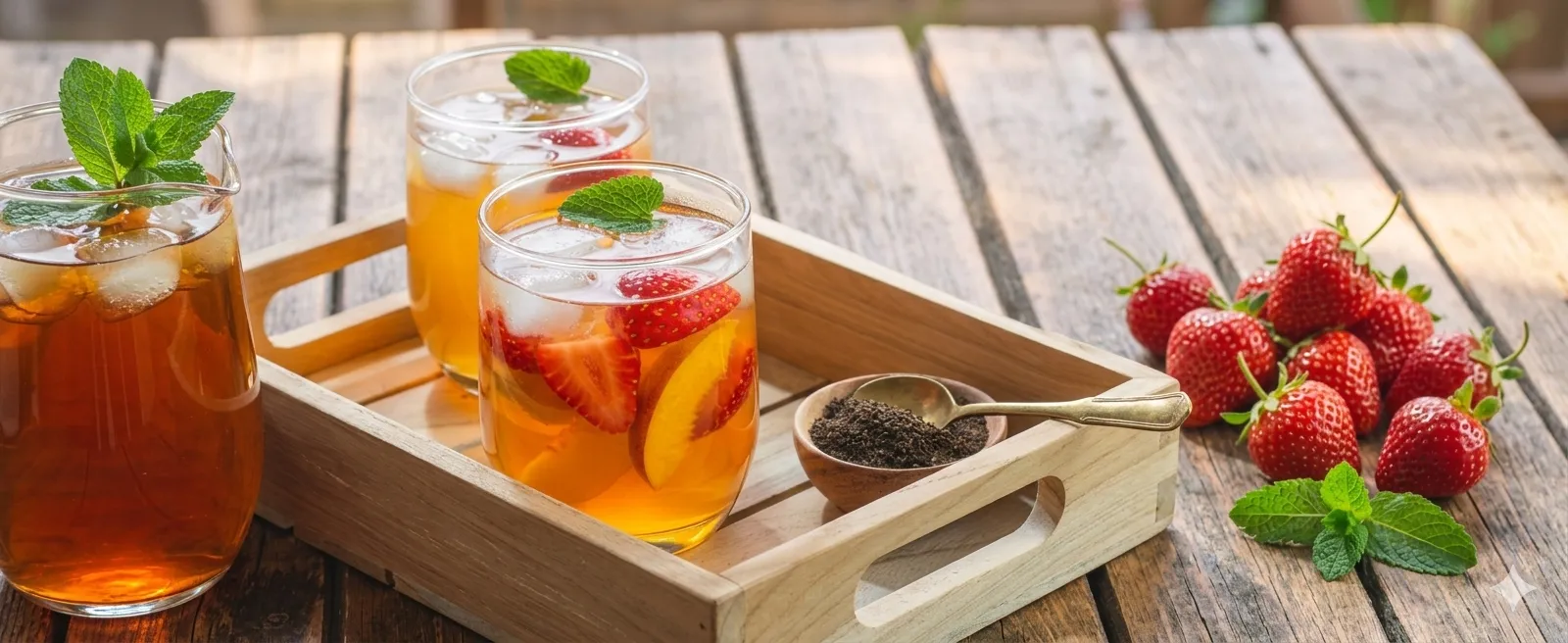
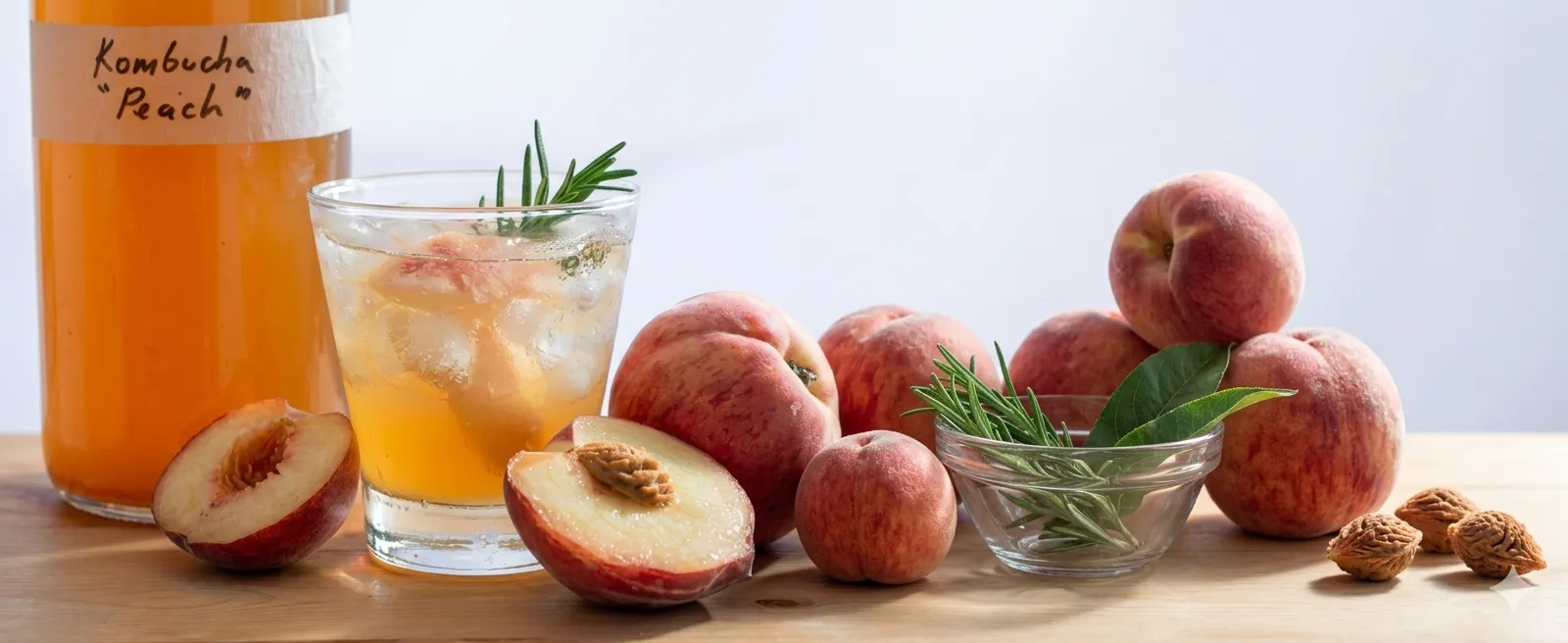
Après la première fermentation, vous pouvez créer du kombucha aromatisé en le mettant en bouteille avec du jus de fruits, des herbes, du gingembre, des baies ou d'autres ingrédients aromatiques. Cette étape est souvent appelée « deuxième fermentation ». Elle se déroule généralement dans des bouteilles de kombucha hermétiques, conçues pour résister à la pression.
Carbonatation se produit lorsque les levures restantes consomment de petites quantités de sucre présentes dans la bouteille. Cela génère des bulles et confère au kombucha une texture pétillante. Le degré de gazéification dépend de la quantité de sucre, de la température, de la concentration du kombucha dans la bouteille et du temps de repos.
Faites preuve de prudence lors de la carbonatation, car la pression peut augmenter rapidement. Laissez un peu d'espace libre au sommet de chaque bouteille, vérifiez-les régulièrement et placez-les au réfrigérateur lorsque le goût et le pétillement vous semblent parfaits. La conservation au froid ralentit la fermentation et aide à préserver le kombucha une fois prêt.
10. Quelles sont les erreurs courantes à éviter lorsque l'on prépare du kombucha chez soi ?
Une erreur courante consiste à utiliser trop peu de liquide de démarrage. Sans acidité suffisante, la fermentation risque d'être difficile. Une autre erreur consiste à ajouter le scoby à du thé chaud, ce qui peut endommager la culture. Veillez toujours à laisser refroidir le thé au préalable et à ce que le bocal de fermentation soit propre.
Une deuxième erreur consiste à fermer hermétiquement le bocal dès la première fois la fermentation. À ce stade, le kombucha doit être recouvert d'un tissu perméable à l'air. Utilisez une mousseline ou un tissu à mailles serrées, maintenu en place par un élastique. Évitez également d'utiliser du kombucha du commerce aromatisé ou pasteurisé comme levain, car il pourrait ne pas contenir la culture active nécessaire à une fermentation correcte.
Enfin, ne négligez pas l'odeur, le goût ou la présence de moisissure visible. Un kombucha en bonne santé dégage une odeur acidulée et légèrement sucrée. La moisissure se présente généralement sous forme de dépôts secs, duveteux et colorés à la surface. Si vous constatez la présence de moisissure, jetez la préparation, nettoyez soigneusement vos ustensiles et recommencez la fermentation avec un scoby en bonne santé et un starter fiable.
Points clés à retenir
- Le kombucha est un thé fermenté préparé à partir de thé sucré, d'un « scoby » et d'un liquide de démarrage.
- Un scoby contient une culture symbiotique de bactéries et de levures qui favorise la fermentation du thé.
- Une recette de base de kombucha comprend généralement du thé, du sucre, de l'eau, du thé de démarrage et un scoby en bonne santé.
- Laissez toujours le thé sucré refroidir à température ambiante avant d'y ajouter le scoby.
- La première fermentation dure généralement plusieurs jours, en fonction de la température et des préférences gustatives.
- Conservez un peu de thé de base non aromatisé avant de mettre chaque lot en bouteille.
- Un « hôtel à scoby » permet de conserver des scobys supplémentaires, en réserve ou en vue de futures fermentations.
- Utilisez des ustensiles propres, un couvercle perméable à l'air, une mousseline et un élastique pour le bocal de macération.
- L'aromatisation du kombucha et sa gazéification interviennent généralement après la première fermentation.
- Si vous souhaitez préparer votre propre kombucha en toute sécurité, veillez à respecter les règles d'hygiène, à utiliser une quantité suffisante de liquide de démarrage, à disposer d'une culture saine et à goûter attentivement votre préparation.