Starting a microbrewery requires more than passion for craft beer. Many new brewers struggle with inconsistent quality, limited production capacity, and unsuitable machines. Choosing the wrong brewing equipment can increase costs and make it difficult to grow.
Professional brewing equipment for microbreweries provides complete solutions for mashing, boiling, fermentation, cooling, and packaging, helping brewers produce consistent beer with efficient and scalable production systems.
Struttura dell'articolo
1. What Is Brewing Equipment for Microbrewery and Why Is It Important?
2. What Brewing Equipment Does a Microbrewery Need?
3. How Does a Brewing System Improve Beer Brewing Efficiency?
4. What Are the Main Parts of Professional Beer Brewing Equipment?
5. How Do Stainless Steel Fermentation Systems Improve Beer Quality?
6. What Is the Difference Between Home Brewing Equipment and Microbrewery Equipment?
7. How Should Brewers Choose the Right Equipment for a Microbrewery?
8. Why Are Turnkey Brewing Systems Popular for Growing Breweries?
9. How Can Microbreweries Scale Production With Modern Brewing Equipment?
10. Frequently Asked Questions About Microbrewery Brewing Equipment
What Is Brewing Equipment for Microbrewery and Why Is It Important?
The craft beer industry continues to expand worldwide, and more entrepreneurs are entering the market with unique beer concepts. However, creating high-quality beer consistently requires more than recipes and ingredients.
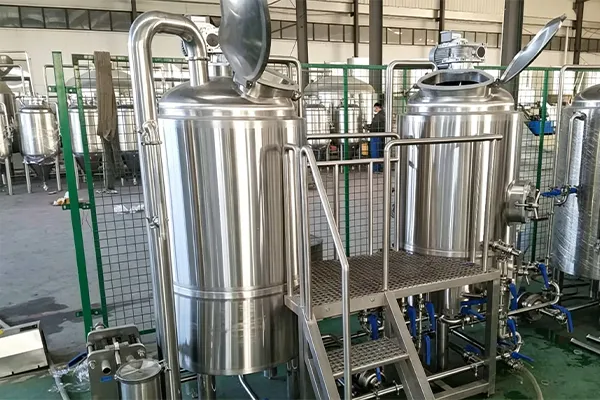
Professional brewing equipment for microbrewery operations provides the foundation for reliable beer production. It allows brewers to control every important step, including mash preparation, wort production, fermentation, cooling, and packaging.
A commercial-quality system helps maintain consistency between each batch. This is especially important for craft breweries that want customers to recognize the same flavor every time they enjoy their beer.
A complete microbrewery setup usually includes:
| Production Stage | Equipment | Function |
|---|---|---|
| Fresatura | Malt mill | Crushes grains before brewing |
| Schiacciatura | Mash tun | Converts starch into fermentable sugar |
| Bollitura | Brew kettle | Boils wort and adds hops |
| Raffreddamento | Chiller | Quickly reduces wort temperature |
| Fermentation | Fermenter | Converts wort into beer |
| Storage | Brite tanks | Conditions and stores finished beer |
| Packaging | Bottle/keg system | Prepares products for sale |
As a professional brewery and beverage equipment manufacturing plant, we provide customized stainless steel brewing systems, fermentation tanks, brewhouse systems, and turnkey brewery solutions for global B2B customers.
Our customers include craft breweries, brewpubs, taprooms, microbreweries, commercial breweries, beverage startups, and engineering contractors. Each project requires different production planning, equipment configuration, and factory layout.
The right equipment choice helps breweries reduce production risks while creating a stable foundation for future growth.
What Brewing Equipment Does a Microbrewery Need?
A successful microbrewery requires carefully selected equipment that matches the brewer’s production goals. Small operations may begin with compact systems, while growing breweries need scalable solutions that support higher output.
The essential attrezzature per microbirrifici includes:
- Brewhouse system
- Mash tun
- Brew kettle
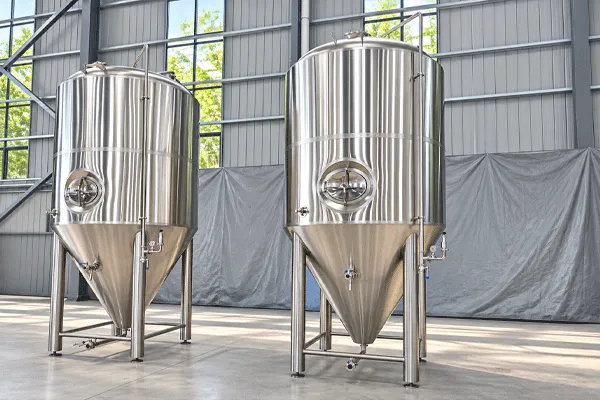
- Fermentation vessels
- Glycol cooling system
- Chiller
- Pumps
- Piping and hose connections
- Cleaning system
- Packaging equipment
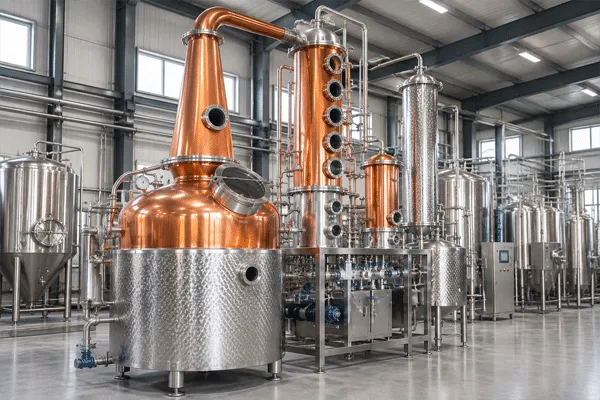
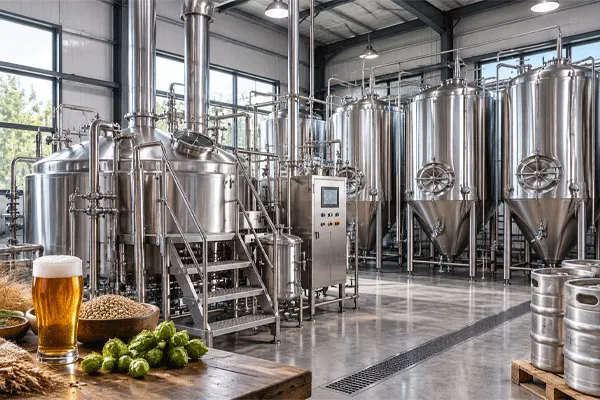
The brewhouse is the center of beer production. It combines heating, mixing, and separation processes to create high-quality wort before fermentation.
A typical brewing workflow looks like this:
Malt → Milling → Mash → Wort Separation → Boiling → Hop Addition → Cooling → Fermentation → Packaging
Different breweries choose different configurations depending on their goals.
| Brewery Type | Recommended Equipment |
|---|---|
| Nano brewery | Compact nano sistema di preparazione |
| Birreria artigianale | Small stainless steel brewing system |
| Craft brewery | Multi-vessel brewing system |
| Commercial brewery | Automated production system |
For example, a startup brewery may choose a 3-vessel system, while a larger craft beer producer may require multiple fermentors and brite tanks.
Our engineers design equipment according to:
- Expected production volume
- Available factory space
- Energy source
- Beer styles
- Future expansion plans
This customized approach allows each brewer to invest in equipment that fits their actual business needs.
How Does a Brewing System Improve Beer Brewing Efficiency?
A professional brewing system connects different production stages into one coordinated workflow. Instead of operating separate machines manually, brewers can improve efficiency through better equipment integration.
A modern system controls important factors such as:
- Temperature accuracy
- Heating speed
- Wort transfer
- Fermentation conditions
- Cleaning procedures
For professional beer brewing, consistency is essential. Customers expect their favorite beer to maintain the same flavor profile from one production cycle to another.
A well-designed brewing system provides:
Better Production Control
Brewers can monitor temperatures and process conditions more accurately.
Higher Efficiency
Integrated pumps, piping, and controls reduce unnecessary manual operations.
Improved Sanitation
Food-grade stainless steel surfaces are easier to clean and maintain.
Easier Expansion
Modular designs allow breweries to add tanks and increase production capacity.
Modern beer brewing systems may include:
| Component | Purpose |
|---|---|
| Brew kettle | Wort boiling and hop extraction |
| Pump | Liquid transfer between vessels |
| Chiller | Rapid cooling before fermentation |
| Fermentation vessel | Fermentazione della birra |
| Pannello di controllo | Process monitoring |
For growing breweries, investing in a professional system creates long-term value.
What Are the Main Parts of Professional Beer Brewing Equipment?
Professional beer brewing equipment consists of multiple components working together. Each part affects efficiency, flavor development, and final product quality.
Sistema di birrificazione
The brewhouse is where the early brewing process happens. It usually includes:
- Mash tun
- Lauter tun
- Brew kettle
- Whirlpool vessel
During mashing, malt combines with water to create wort. The brewer then boils the wort and adds hops to develop bitterness and aroma.
Fermentation Equipment
After wort cooling, yeast begins fermentation. The fermenter is responsible for creating alcohol and developing beer flavor.
Professional fermentation equipment allows control over:
- Temperature
- Pressure
- Yeast activity
- Fermentation time
Cooling System
A reliable chiller is essential because wort must quickly reach the correct temperature before yeast addition.
Common cooling options include:
- Plate chiller
- Immersion chiller
- Glycol cooling system
Storage and Packaging
After fermentation, beer may move into brite tanks for clarification and carbonation.
Packaging options include:
- Bottle filling
- Kegging
- Can packaging
Every component should work together smoothly to create an efficient brewing process.
How Do Stainless Steel Fermentation Systems Improve Beer Quality?
Fermentation is one of the most important stages in making beer. Even with excellent ingredients, poor fermentation control can affect taste, aroma, and consistency.
Professional breweries commonly use stainless steel fermentation vessels because they provide:
- Strong corrosion resistance
- Easy cleaning
- Long service life
- Food-safe production conditions
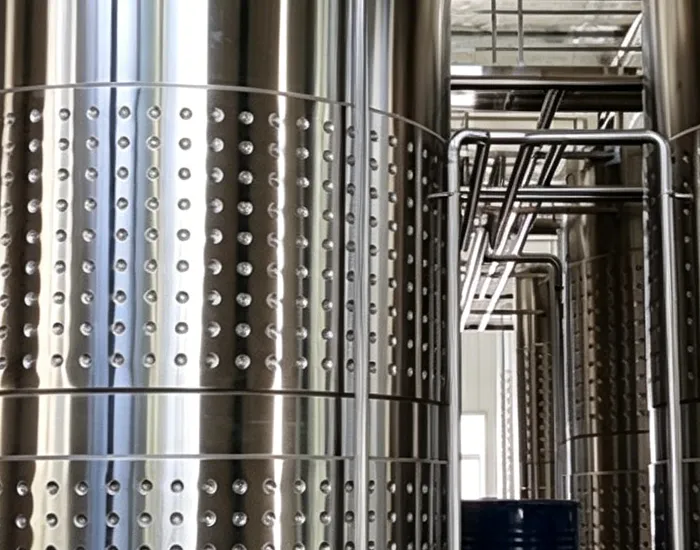
Stainless steel tanks allow brewers to maintain stable fermentation temperatures and protect beer from contamination.
A complete fermentation setup may include:
| Equipment | Function |
|---|---|
| Fermenter | Primary fermentation |
| Fermentation vessel | Controlled yeast activity |
| Brite tanks | Conditioning and carbonation |
| Glycol system | Temperature management |
Temperature control is especially important because yeast reacts differently under changing conditions.
For craft brewing, maintaining consistent fermentation helps breweries create signature beers with reliable flavor.
Our customized serbatoi di fermentazione support different brewery sizes, from small craft projects to large commercial production facilities.
What Is the Difference Between Home Brewing Equipment and Microbrewery Equipment?
Many successful breweries begin with a simple passion for making beer. A beginner may start with a small home brew setup, learning how ingredients such as malt, water, hop, and yeast interact during the brewing process. However, moving from hobby production to commercial sales requires a completely different level of equipment.
Home brewing equipment is designed for small experimental batches, while professional microbrewery equipment is built for repeatable production, sanitation, efficiency, and business growth.
The main differences include:
| Feature | Home Brewing Equipment | Attrezzature per microbirrifici |
|---|---|---|
| Production scale | Small batches | Commercial production |
| Materiale | Basic materials | Food-grade stainless steel |
| Control | Manual operation | Automated temperature and process control |
| Pulizia | Manual cleaning | Sistema di pulizia CIP |
| Expansion | Limited | Modular and scalable |
| Output consistency | Depends on operator | Stable batch-to-batch quality |
A home brewer may use a small brewing kit, stovetop kettle, or propane burner, while a professional brewery requires a complete production system with pumps, tanks, cooling equipment, and fermentation vessels.
For example, a craft brewery producing several hundred liters of beer per week needs reliable equipment that can handle continuous operation. A professional system helps control every stage, from mash preparation to fermentation and packaging.
Our factory provides solutions for customers who want to move beyond small production and establish professional brewing operations. We design equipment according to production goals, available space, and future expansion requirements.
How Should Brewers Choose the Right Equipment for a Microbrewery?
Selecting the right equipment for a microbrewery is one of the most important decisions for a new brewery project. The wrong configuration can create unnecessary investment costs, production limitations, and operational challenges.
Before purchasing equipment, brewers should evaluate several factors.
1. Production Capacity
The first consideration is expected output. A small startup may require a compact system, while an expanding brewery needs larger vessels and additional fermentation capacity.
Important questions include:
- How much beer will be produced per batch?
- How many batches are planned each month?
- Is future scaling expected?
A modular system allows breweries to add tanks and increase production capacity without replacing the entire setup.
2. Brewing Style
Different beer styles may require different configurations.
For example:
- Lager production requires precise fermentation temperature control.
- IPA production requires effective hop management.
- Specialty craft beer may require flexible brewing options.
The brewing system should support the brewer’s product strategy.
3. Available Space
Factory layout directly affects workflow efficiency.
A good brewery layout considers:
- Ingredient storage
- Brewhouse location
- Fermentation area
- Packaging zone
- Cleaning area
Professional suppliers can provide layout planning to maximize available space.
4. Energy Requirements
Breweries can choose different heating methods:
- Electric brewing
- Riscaldamento a vapore
- Propane burner systems
Electric brewing systems are popular for smaller facilities because they are easy to install and operate. Larger breweries often choose steam systems for higher efficiency.
Choosing the right equipment means balancing current needs with future growth.
Why Are Turnkey Brewing Systems Popular for Growing Breweries?
Starting a brewery involves many challenges beyond purchasing individual machines. Equipment compatibility, installation, piping, electrical connections, and operation training all influence project success.
A turnkey brewing system provides a complete solution from planning to production.
A professional turnkey project may include:
- Brewery layout design
- Equipment manufacturing
- Installation guidance
- Process optimization
- Operator training
- Technical support
Instead of sourcing each machine separately, breweries can work with one experienced manufacturer.
A complete turnkey brewing system usually includes:
| System Area | Equipment Included |
|---|---|
| Birreria | Mash tun, kettle, whirlpool |
| Fermentation | Fermentors, glycol cooling |
| Storage | Brite tanks |
| Transfer | Pumps, hoses, fittings |
| Pulizia | Sistema CIP |
| Packaging | Bottle and keg equipment |
As a professional brewery equipment manufacturer, we provide customized stainless steel systems for craft breweries, brewpubs, taprooms, and commercial producers worldwide.
Our engineering team helps customers optimize:
- Production workflow
- Equipment arrangement
- Energy consumption
- Future expansion capability
A turnkey approach reduces project complexity and allows brewery owners to focus on developing their brands.
How Can Microbreweries Scale Production With Modern Brewing Equipment?
Growth is the goal of many craft breweries. However, increasing output requires careful planning. A system that works for a small brewery may not support future demand.
Modern brewing equipment allows breweries to scale gradually.
A typical growth path may look like this:
| Brewery Stage | Recommended Solution |
|---|---|
| Startup | Nano brewing system |
| Local craft brewery | Small stainless steel brewing system |
| Regional brand | Multiple fermentation tanks |
| Commercial brewery | Automated production system |
Scaling usually involves adding:
- Additional fermenters
- Larger brew kettle
- More storage tanks
- Automated controls
- Packaging equipment
A scalable system allows breweries to increase output without interrupting existing operations.
For example, a brewery may begin with a small brewhouse and four fermentors. As sales increase, additional fermentation vessels and a larger cooling system can be added.
Modern equipment also improves labor efficiency. Automated pumps, sensors, and controls reduce manual work while maintaining consistent quality.
What Makes Professional Brewing Equipment Suitable for Craft Brewing?
Craft brewing focuses on creativity, quality, and unique beer styles. However, creativity requires reliable equipment.
Professional brewing equipment gives brewers more control over:
- Recipe development
- Temperature management
- Fermentation conditions
- Ingredient handling
- Production consistency
A modern craft brewery needs equipment that supports experimentation while maintaining commercial reliability.
Important features include:
Stainless Steel Construction
Stainless steel provides durability and excellent sanitation performance. It is widely used for brewing vessels because it resists corrosion and is easy to clean.
Flexible Brewing Configuration
Brewers may need different setups depending on their recipes.
Common configurations include:
- 2-vessel brewhouse
- 3-vessel brewhouse
- 4-vessel commercial system
Reliable Temperature Control
Stable temperature management improves fermentation performance and beer quality.
Efficient Cleaning
A CIP system helps maintain hygiene and reduces cleaning time.
The best equipment does not limit creativity. It supports it.
Case Study: Customized Microbrewery Brewing System Solution
A craft brewery startup planned to establish a professional beer production facility and needed equipment that could support initial production while allowing future expansion.
The customer required:
- Reliable beer brewing capability
- Compact factory layout
- Stable fermentation control
- Easy operation
Based on the project requirements, a customized system was designed including:
| Equipment | Purpose |
|---|---|
| Brewhouse system | Wort production |
| Fermentation vessels | Fermentazione della birra |
| Glycol cooling system | Controllo della temperatura |
| Brite tanks | Beer conditioning |
| Pump and piping system | Product transfer |
The solution helped the brewery achieve:
- Consistent beer quality
- Improved production efficiency
- Better space utilization
- Future scalability
This project demonstrates the importance of selecting equipment that matches both current production goals and long-term business plans.
Frequently Asked Questions About Microbrewery Brewing Equipment
What equipment is needed to start a microbrewery?
A microbrewery typically needs a brewhouse system, fermentation vessels, cooling system, pumps, storage tanks, and packaging equipment. The exact configuration depends on production volume and beer styles.
What is the difference between a brewing kit and professional brewing equipment?
A brewing kit is designed for beginners and small experiments, while professional brewing equipment is built for commercial production with higher capacity, better control, and stronger sanitation requirements.
How large should a microbrewery brewing system be?
The ideal size depends on sales plans, production targets, and available space. Many startups choose smaller systems first and expand by adding fermentation tanks later.
Why is stainless steel used for brewery equipment?
Stainless steel is durable, hygienic, corrosion-resistant, and suitable for food and beverage production. It helps breweries maintain clean production conditions.
Can microbrewery equipment produce different beer styles?
Yes. A properly designed brewing system can support different beer styles, including lagers, ales, IPAs, and specialty craft beer.
Do you provide customized brewery equipment solutions?
Yes. We provide customized brewing systems, fermentation tanks, brewhouse solutions, and turnkey projects based on customer production requirements.
Final Summary: Key Things to Remember About Brewing Equipment for Microbreweries
- Professional brewing equipment helps microbreweries produce consistent beer quality.
- A complete system should include brewhouse equipment, fermentation vessels, cooling systems, storage tanks, and packaging solutions.
- Choosing equipment based on production capacity prevents unnecessary investment problems.
- Stainless steel equipment provides durability, hygiene, and long-term reliability.
- A scalable brewing system allows breweries to expand as demand grows.
- Turnkey brewing systems simplify installation and reduce project risks.
- Modern automation improves efficiency and production consistency.
- Experienced equipment manufacturers provide valuable engineering support beyond machine supply.