Starting a vodka business requires more than a quality recipe. Many new distilleries face challenges with inconsistent alcohol purity, inefficient production processes, and unsuitable equipment choices. The wrong vodka distillery equipment can limit product quality, increase operating costs, and slow business growth.
Professional vodka distillery equipment provides complete solutions for fermentation, distillation, purification, and packaging, helping distillers produce consistent, high-quality vodka with reliable production efficiency.
Struttura dell'articolo
1. What Is Vodka Distillery Equipment and Why Is It Important?
2. How Does Distilling Equipment Support Professional Vodka Production?
3. What Type of Still Is Best for Vodka Distillation?
4. How Do Distillation Systems Improve Vodka Quality and Efficiency?
5. What Equipment Does a Modern Distillery Need for Complete Production?
6. Why Are Copper and Stainless Steel Important Materials for Distillation Equipment?
7. How Can Craft Distillers Choose Custom Distilling Equipment?
8. What Are the Differences Between Vodka, Gin, Whiskey, and Rum Distillation Equipment?
9. How Does a Turnkey Distillery Solution Support New Alcohol Brands?
10. Frequently Asked Questions About Vodka Distillery Equipment
What Is Vodka Distillery Equipment and Why Is It Important?
The global spirits market continues to expand, and vodka remains one of the most popular distilled beverages worldwide. However, producing premium vodka requires precise control over fermentation, alcohol separation, purification, and flavor management.
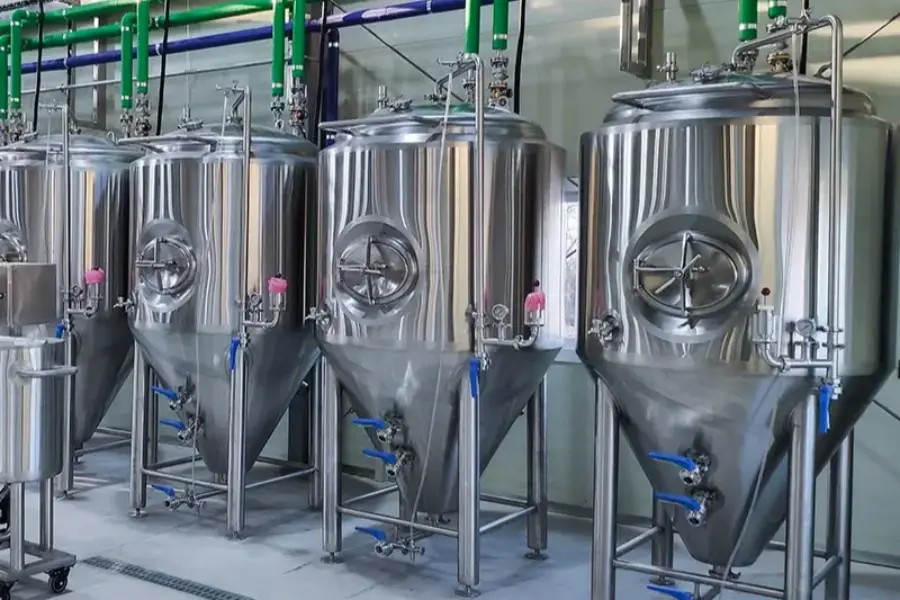
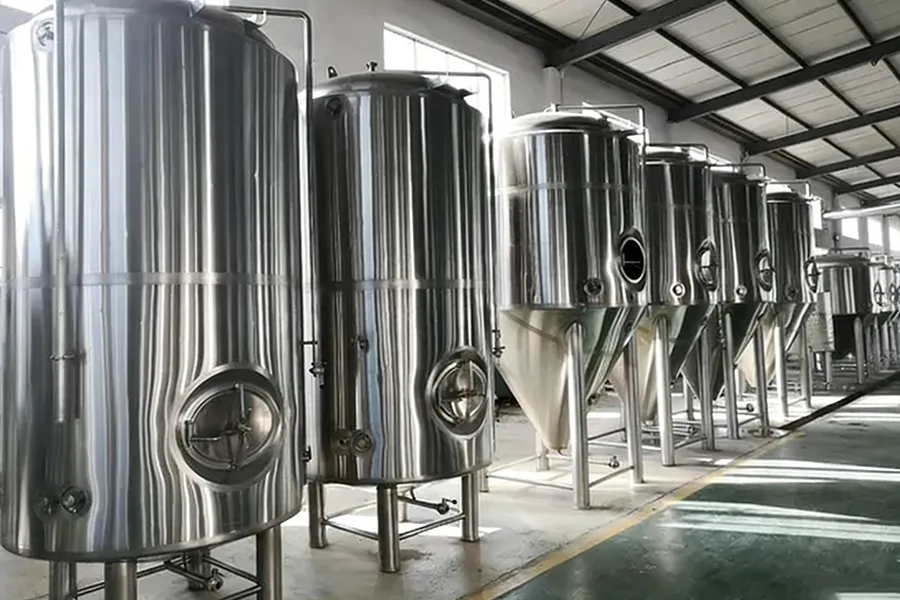
A professional vodka distillery equipment solution includes the machines and systems required to transform fermented liquid into finished vodka. These systems normally include fermentation vessels, stills, condensers, filtration units, storage tanks, and control systems.
Unlike small experimental setups, commercial distilleries need equipment that can operate reliably for long production cycles. The equipment must provide stable heating, accurate temperature control, efficient separation, and sanitary operation.
A complete vodka production line usually includes:
| Production Stage | Main Equipment | Purpose |
|---|---|---|
| Fermentation | Fermenter, fermentation tanks | Convert sugar into alcohol |
| Preparation | Mash tanks, mash tuns | Prepare fermented liquid |
| Distillation | Still, column stills | Increase alcohol concentration |
| Raffreddamento | Condenser | Convert vapor back into liquid |
| Purification | Filtration system | Improve vodka clarity |
| Storage | Stainless steel tanks | Hold finished spirits |
| Packaging | Filling equipment | Prepare products for market |
In qualità di azienda specializzata nella produzione di impianti per birrifici e bevande, forniamo sistemi di produzione della birra in acciaio inossidabile su misura, serbatoi di fermentazione, brewhouse systems, and turnkey beverage solutions for global B2B customers.
Our experience covers different beverage industries, including craft breweries, distilleries, wineries, cideries, and beverage startups. We understand that every project has different production needs, factory space, energy requirements, and target products.
Choosing the right equipment at the beginning helps a new distillery avoid costly modifications later.
How Does Distilling Equipment Support Professional Vodka Production?
The quality of vodka depends heavily on the performance of the distilling equipment. While ingredients influence the basic characteristics of the spirit, the distillation process determines purity, smoothness, and consistency.
Professional distilling equipment allows a distiller to control key factors such as:
- Heating temperature
- Vapor movement
- Alcohol concentration
- Reflux level
- Condensation efficiency
- Production speed
Modern distilling systems are designed to provide repeatable results. Instead of relying on manual operation, advanced systems allow operators to monitor and adjust important parameters during production.
A commercial vodka production setup may include:
| Equipment | Function |
|---|---|
| Fermenter | Creates alcohol-rich liquid before distillation |
| Still | Separates alcohol through heating and vaporization |
| Condenser | Converts alcohol vapor into liquid |
| Filtration equipment | Removes unwanted compounds |
| Storage tanks | Maintains finished vodka quality |
A well-designed still improves efficiency by separating alcohol components more accurately. This helps producers achieve the desired purity level while maintaining control over production costs.
For professional distillers, equipment selection is not only about capacity. It is also about flexibility. A small craft distillery may focus on unique flavors, while a commercial producer may prioritize output and automation.
Our customized solutions support both needs, from small craft projects to large-scale alcohol production facilities.
What Type of Still Is Best for Vodka Distillation?
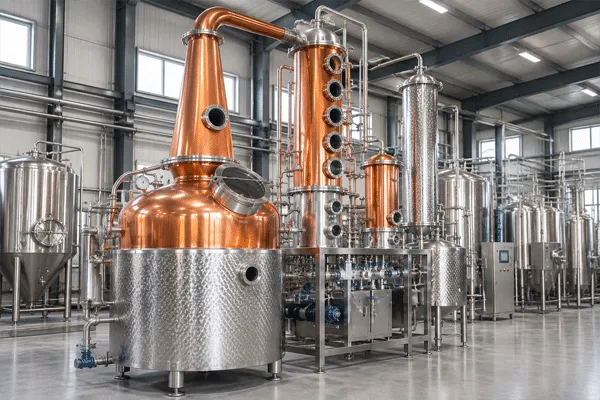
The still is the heart of every distillery. It determines how alcohol vapor is created, separated, and collected during the distillation process.
Different products require different still designs. For vodka production, many producers choose column stills because they provide high purification efficiency and allow continuous operation.
Common still types include:
| Tipo fisso | Application |
|---|---|
| Pot still | Traditional spirits such as whiskey, rum, and brandy |
| Column still | High-purity vodka production |
| Copper still | Flavor-focused craft spirits |
| Hybrid still | Flexible production for multiple spirits |
A vodka column is especially suitable for producers who want a clean and neutral spirit profile. Through multiple separation stages and controlled reflux, column stills can achieve higher alcohol concentration.
However, some craft distillers prefer copper equipment because copper helps remove sulfur compounds and contributes to smoother spirit characteristics.
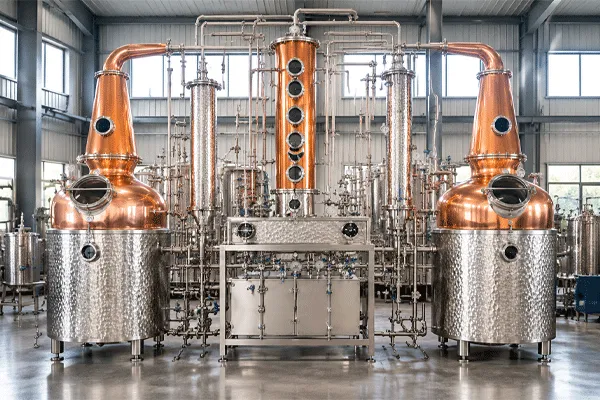
Many premium spirit producers combine modern technology with traditional craftsmanship. For example, a system may include stainless steel tanks with copper still components to balance durability and flavor control.
We design equipment based on the final product goal, whether producing:
- Premium vodka
- Gin
- Whiskey
- Rum
- Brandy
- Other specialty spirits
The best still is not always the largest one. It is the one that matches your production strategy.
How Do Distillation Systems Improve Vodka Quality and Efficiency?
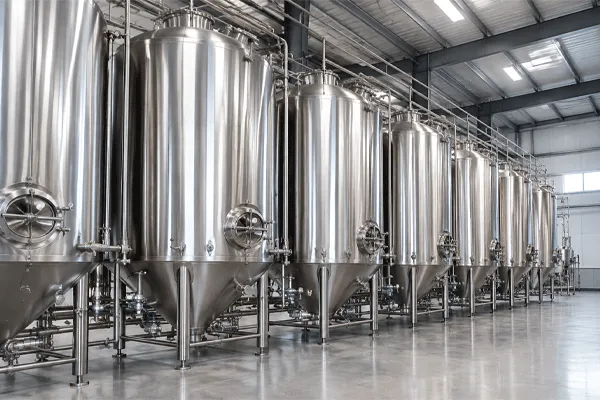
Professional distillation systems are designed to make the alcohol production process more controlled and predictable. A complete system connects heating, vapor separation, condensation, and collection into one efficient workflow.
During vodka distillation, fermented mash enters the still and is heated. Alcohol evaporates earlier than water because of different boiling points. The vapor then moves through the system and is condensed back into liquid form.
The main components of a distillation system include:
- Heating vessel
- Distillation column
- Reflux control system
- Condenser
- Collection tanks
- Pannello di controllo
A condenser plays a critical role because it converts alcohol vapor into liquid while maintaining product quality.
Modern systems provide several advantages:
Higher Consistency
Automated controls help maintain stable operating conditions, allowing each batch to achieve similar results.
Better Energy Efficiency
Optimized heating and cooling systems reduce energy consumption during long production cycles.
Easier Operation
Digital controls simplify monitoring and reduce operator error.
Produzione Flessibile
Scalable designs allow producers to expand capacity as market demand increases.
For a new distillery, investing in professional distillation equipment creates a stronger foundation for future growth.
What Equipment Does a Modern Distillery Need for Complete Production?
A successful alcohol distillery requires more than a single still. A complete production facility needs coordinated equipment that supports the entire workflow.
The complete vodka production process typically includes:
Raw Material Preparation → Fermentation → Distillation → Filtration → Storage → Packaging
A modern distillery equipment package may include:
| Equipment Category | Examples |
|---|---|
| Fermentation | Fermenter, fermentation tanks |
| Distillation | Still, column stills |
| Storage | Stainless steel tanks |
| Purification | Carbon filtration |
| Pulizia | Sistema di pulizia CIP |
| Control | Automazione PLC |
For larger projects, manufacturers can provide whole distilling systems that integrate all production stages.
A complete solution helps businesses reduce installation complexity because all components are designed to work together.
For example, a new alcohol brand may require:
- Vodka production equipment
- Gin production equipment
- Whiskey equipment
- Bottling preparation
- Factory layout planning
A professional supplier can provide equipment designed around the customer’s production goals instead of offering standard machines only.
Why Are Copper and Stainless Steel Important Materials for Distillation Equipment?
Material selection has a direct influence on equipment durability, sanitation, maintenance requirements, and final spirit quality. In modern distilleries, the most common materials are stainless steel and copper because both provide unique advantages during alcohol production.
Stainless steel is widely used for tanks, pipes, fermenters, and structural components because it offers excellent corrosion resistance and long service life. It is especially suitable for vodka production because vodka requires a clean and neutral flavor profile.
Copper, on the other hand, has been used in traditional distillation for centuries. Copper stills and copper components help remove unwanted sulfur compounds during distillation, which can improve aroma and smoothness in many spirits.
A professional distillation system often combines copper and stainless steel to achieve the best balance between performance and craftsmanship.
| Materiale | Advantages | Common Application |
|---|---|---|
| Stainless steel | Durable, hygienic, easy to clean | Tanks, pipes, fermenters, storage |
| Copper | Improves spirit character, traditional appearance | Still bodies, columns, contact parts |
| Copper and stainless steel combination | Balances durability and flavor control | Premium distillation equipment |
For example, many craft distilleries choose stainless steel tanks with copper still heads or copper parts. This approach provides reliable operation while maintaining traditional distilling characteristics.
Our factory provides customized copper equipment and stainless steel solutions based on each customer’s product goals. Whether producing premium vodka, gin, whiskey, or rum, material selection should match the desired flavor profile and production strategy.
How Can Craft Distillers Choose Custom Distilling Equipment?
Starting a new distillery requires careful planning. Many craft distillers focus on creating unique products, but the equipment behind the production process determines whether those products can be manufactured consistently.
Custom distilling equipment allows producers to build a system around their specific requirements, including product type, production volume, available space, and future expansion plans.
Before selecting equipment, craft distillers should consider:
1. Production Capacity
A small craft distillery may need a compact batch system, while a growing brand may require larger and more automated equipment.
Important questions include:
- How many liters should each batch produce?
- How many production cycles are needed monthly?
- Will the distillery expand in the future?
2. Product Range
Different spirits require different equipment configurations.
For example:
- Vodka requires efficient purification and neutral spirit production.
- Gin requires botanical infusion capability.
- Whiskey requires flavor development and aging considerations.
- Rum requires control of fermentation and molasses processing.
3. Automation Requirements
Modern equipment helps operators manage:
- Temperature
- Heating rate
- Reflux control
- Flow rates
- Production records
Automation reduces human error and improves repeatability.
A professional supplier can provide custom distilling equipment that grows with the business. Instead of replacing the entire system later, producers can choose scalable designs that allow additional tanks, larger stills, or upgraded controls.
What Are the Differences Between Vodka, Gin, Whiskey, and Rum Distillation Equipment?
Although vodka, gin, whiskey, and rum are all distilled spirits, their production methods and equipment requirements are different.
A single distillery may produce multiple products, but the equipment configuration must support the characteristics of each spirit.
| Spirit | Main Equipment Focus | Production Characteristics |
|---|---|---|
| Vodka | Column stills, filtration systems | High purity and neutral flavor |
| Gin | Pot still, botanical basket, copper components | Botanical aroma extraction |
| Whiskey | Copper stills, aging support | Rich flavor development |
| Rum | Fermentation tanks, pot still or column still | Sugar-based spirit production |
Vodka Production
Vodka focuses on purity. A vodka distillation system usually requires efficient separation technology, reflux control, and filtration equipment to achieve a clean profile.
Gin Production
Gin production often uses a pot still or specialized gin basket to extract botanical flavors. Equipment design focuses on preserving natural aromas.
Whiskey Production
Whiskey production commonly uses copper stills because copper helps develop traditional flavor characteristics. Equipment for whiskey may include mash tuns, fermentation tanks, and aging solutions.
Rum Production
Rum production depends on sugar-based fermentation. A distillery producing rum may need specialized fermentation equipment and flexible distillation systems.
For businesses producing multiple spirits, hybrid solutions provide more flexibility. A well-designed system can support both craft production and commercial growth.
How Does a Turnkey Distillery Solution Support New Alcohol Brands?
Building a new alcohol production facility involves many challenges beyond purchasing machines. Layout planning, utility connections, installation, operator training, and after-sales support all influence project success.
A turnkey distillery solution provides a complete approach from initial design to final production.
A complete project may include:
- Production planning
- Equipment selection
- Factory layout design
- Distillation equipment manufacturing
- Installation guidance
- Testing and commissioning
- Operator training
As a professional beverage equipment manufacturer, we support global customers with customized brewery and distillery solutions. Our engineering team helps customers create practical production layouts based on available space and expected output.
A complete system may include:
- Vasche di fermentazione
- Still systems
- Condensers
- Storage tanks
- Filtration systems
- Sistemi di pulizia CIP
- Control panels
For international projects, reliable field service and technical support are important factors. A supplier should not only deliver equipment but also help ensure smooth installation and stable operation.
A successful distillery project requires cooperation between equipment manufacturers, engineers, and business owners.
How Does Modern Distillation Equipment Improve Commercial Production?
The alcohol industry is becoming more competitive, and modern distilleries need equipment that improves efficiency while maintaining product quality.
Advanced distillation equipment offers several improvements:
Better Production Control
PLC systems and digital monitoring allow operators to track important parameters throughout the distillation process.
Higher Efficiency
Modern heating systems, improved condensers, and optimized piping reduce energy waste.
Produzione Flessibile
Scalable equipment allows producers to increase output without rebuilding the entire facility.
Qualità costante dei prodotti
Stable operating conditions help distillers maintain the same taste and alcohol level across batches.
For commercial producers, equipment investment directly affects long-term profitability. High-quality equipment reduces downtime and supports reliable production.
Our solutions are designed for:
- Craft distilleries
- Alcohol vodka producers
- Beverage startups
- Established spirit brands
- Contract manufacturing facilities
From small batch systems to industrial-scale continuous distillation systems, equipment configuration can be customized according to production goals.
Case Study: Customized Vodka Distillery Equipment Solution
A beverage startup planned to launch a premium vodka brand and required a complete production system that could support both initial market testing and future expansion.
The customer needed:
- Reliable vodka production capability
- High-quality stainless steel tanks
- Efficient distillation performance
- Easy operation and maintenance
Based on their production plan, we designed a customized solution including:
| System Component | Function |
|---|---|
| Vasche di fermentazione | Prepare alcohol base |
| Vodka still system | Improve alcohol purity |
| Condenser | Recover distilled spirit |
| Filtration system | Enhance vodka clarity |
| Storage tanks | Maintain product quality |
The project focused on creating a scalable production system rather than only meeting current demand.
The final solution helped the customer achieve:
- Stable vodka quality
- Efficient production workflow
- Easier operation
- Future expansion capability
This type of project shows why selecting the right equipment manufacturer is essential for a successful distillery.
Frequently Asked Questions About Vodka Distillery Equipment
What equipment is needed to start a vodka distillery?
A vodka distillery usually requires fermentation tanks, distillation equipment, a still, condenser, filtration system, storage tanks, and packaging equipment. The exact setup depends on production capacity and product goals.
What type of still is best for vodka production?
Column stills are commonly used for vodka production because they provide efficient purification and allow producers to achieve a clean, neutral spirit profile. Some craft producers may also combine column systems with copper components.
Can one distillery equipment system produce gin and vodka?
Yes. Many customized distilling systems can support both gin and vodka production. Additional equipment such as botanical baskets or specialized still configurations may be added for gin production.
Why are copper stills used in distillation?
Copper stills are popular because copper helps remove unwanted sulfur compounds and contributes to traditional spirit-making methods. They are widely used for products such as whiskey, gin, and some premium spirits.
How long does a distillation system last?
With proper maintenance, high-quality distillation equipment can provide many years of reliable operation. Regular cleaning, inspection, and CIP procedures help extend equipment life.
Can you customize vodka distillery equipment for a new project?
Yes. Professional manufacturers can customize equipment based on production capacity, factory layout, energy source, product type, and future expansion plans.
Final Summary: Key Things to Remember About Vodka Distillery Equipment
- Professional vodka production requires more than a recipe; it needs reliable distillation equipment and process control.
- A complete distillery includes fermentation, distillation, condensation, filtration, storage, and packaging systems.
- The still is the core component that determines alcohol purity and production efficiency.
- Column stills are commonly used for vodka because they support high-purity production.
- Copper and stainless steel each provide unique benefits in modern distillation systems.
- Custom distilling equipment helps craft distillers create products that match their market goals.
- A turnkey distillery solution reduces project risk through engineering support and complete installation services.
- Choosing an experienced equipment manufacturer helps ensure long-term production stability.