Distilled water looks clean, pure, and simple. But many people still ask: why do we not drink distilled water every day? The concern is not that it is “poison.” The real issue is minerals, taste, long-term use, and the right purpose for each type of water.
You can drink distilled water, and it is generally safe to drink when properly produced and stored. However, many people do not use it as their main drinking water because distilled water contains no minerals or electrolytes, may taste flat, and may not be ideal as the only water source long-term.
Article Outline
1.What is distilled water?
2.Is distilled water safe to drink?
3.Why do many people not drink distilled water every day?
4.What are the risks of drinking distilled water long-term?
5.Distilled water vs tap water: what is the difference?
6.Distilled water vs purified water, filtered water, and mineral water
7.When should you use distilled water?
8.Can you make distilled water at home?
9.How does water quality matter in beverage production?
10.How should B2B beverage producers choose water treatment equipment?
11.FAQs
12.Key takeaways
What Is Distilled Water?
Distilled water is a type of purified water made through water distillation. In simple terms, it is created by boiling water and then condensing the steam back into liquid. Many minerals dissolved in water, salts, and some contaminants stay behind during this process.
The CDC explains that distillation can remove bacteria and many chemicals such as arsenic, barium, cadmium, chromium, lead, nitrate, sodium, sulfate, calcium, and magnesium, though it does not remove some volatile organic compounds, volatile solvents, and some pesticides.
So, distilled water is pure in one important way: it has gone through a process of removing stuff from water. But “pure” does not always mean “best for every daily use.” Water is water, yes. But the type of water matters depending on whether you drink it, use it in a machine, mix it into a beverage, or need it for cleaning.
Is Distilled Water Safe to Drink?
Yes, distilled water is safe to drink when it comes from a clean source and is stored correctly. WebMD also notes that distilled water is safe to drink, but it may taste flat because minerals such as calcium, sodium, and magnesium have been removed.
The main concern is not short-term safety. If you choose to drink distilled water for a short period, it will hydrate you. Distilled water is water, and your body can use it as fluid. But if it becomes your only source of drinking water for a long time, the lack of minerals becomes more important.
This is why the better question is not only “Is distilled water safe to drink?” A better B2B and consumer question is: “Is distilled water the right water for this use?” For daily drinking, many people prefer tap water, filtered water, spring water, or mineral water because they contain some natural or added minerals.
Why Do Many People Not Drink Distilled Water Every Day?
Many people do not drink distilled water every day because distilled water contains no minerals. During distillation, minerals from water are removed along with many unwanted substances. This makes the water very clean, but also very plain.
Minerals such as calcium and magnesium are commonly found in drinking water, especially in certain tap water and mineral water sources. The WHO reviewed the health questions around long-term use of demineralized water, including water produced by processes that remove minerals.
Another reason is taste. Distilled water tastes flat because the minerals that give water its familiar taste are gone. For beverage producers, this matters a lot. Water taste can affect beer, kombucha, cider, cold brew coffee, distilled spirits dilution, and other beverage formulas.
What Are the Risks of Drinking Distilled Water Long-Term?
The risks of drinking distilled water long-term are mainly linked to relying on water with no minerals as your only water source. Distilled water contains no electrolytes, so drinking only distilled water may not provide the small mineral contribution that some people get from regular water supplies.
The WHO publication on nutrients in drinking water was created to examine possible health consequences of long-term consumption of waters made or modified to add or remove minerals. This does not mean a glass of distilled water is dangerous. It means long-term water composition deserves attention.
In plain words: drinking distilled water exclusively may not be the best choice if your diet is also low in minerals. Most people get minerals from food, not only water. But water low in calcium and magnesium may not be ideal as the only daily water source for everyone.
Distilled Water vs Tap Water: What Is the Difference?
Tap water usually comes from municipal water or a local water source. In the United States, public water systems must meet EPA safe water standards, and utilities treat water to remove harmful germs and chemicals.
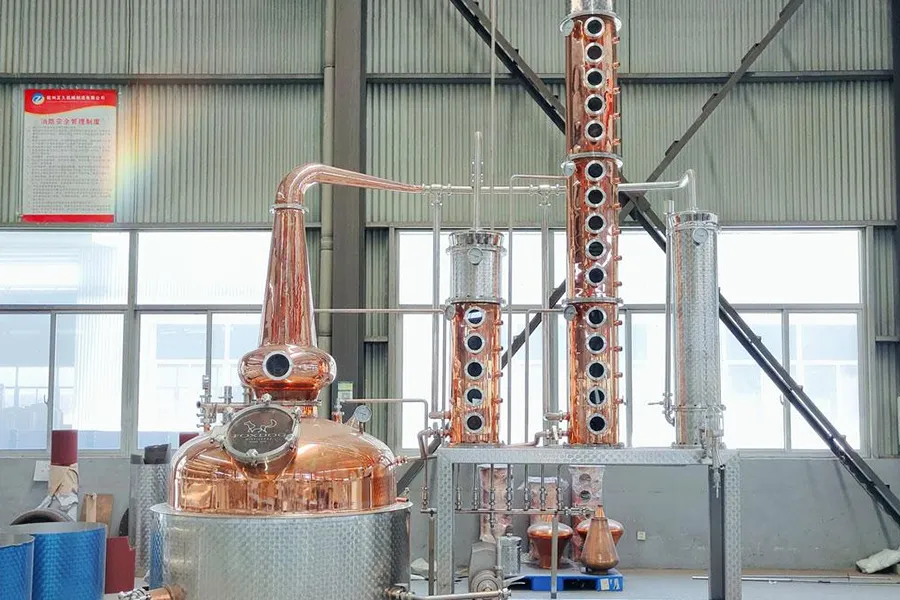
Distilled water is different. Distilled water is created by boiling the water into steam and condensing it. This process removes many dissolved minerals and many contaminants, but it is not the same as normal municipal water treatment.
| Water Type | Main Feature | Common Use |
|---|---|---|
| Tap water | Treated municipal or local water | Daily drinking, cooking, washing |
| Distilled water | Very low minerals after distillation | Lab use, machines, special applications |
| Filtered water | Passed through a water filter | Drinking water, better taste |
| Mineral water | Contains minerals naturally or by source | Drinking, taste preference |
| Purified water | Treated to reduce impurities | Drinking, beverage production, processing |
For most homes, tap water or filtered tap water is more common for daily drinking. For special machines, labs, and some production uses, distilled water may be better.
Distilled Water vs Purified Water, Filtered Water, and Mineral Water
Purified water is a broad term. It can be made by distillation, reverse osmosis, deionization, or other water purification methods. So, purified water is not always distilled water, but distilled water is a type of purified water.
Filtered water usually passes through a water filter. Depending on the filter type, it may improve taste, reduce chlorine, or remove selected contaminants. But not every filter removes the same substances, so buyers should check the filter specification.
Mineral water contains minerals and often has a stronger taste. Some consumers prefer mineral water or spring water because it feels more natural. Others prefer purified water because it tastes cleaner. The best choice depends on the water source, use, taste, and safety target.
When Should You Use Distilled Water?
The use of distilled water makes sense when low-mineral water is needed. Distilled water is often used in irons, humidifiers, certain batteries, lab work, some cleaning processes, and special equipment where mineral buildup can cause problems.
CDC guidance also recommends distilled or sterilized water, or boiled and cooled tap water, for sinus rinsing instead of using tap water straight from the faucet. This shows a key point: distilled water is not “bad.” It is very useful when the application requires cleaner or more controlled water.
Common uses for distilled water include:
Laboratory testing
Steam irons
Humidifiers
Some medical or hygiene uses
Battery maintenance
Equipment cleaning
Certain beverage and process applications
Making controlled water blends
So, the issue is not whether people can use distilled water. The issue is whether it should be the main long-term drinking water for daily life.
Can You Make Distilled Water at Home?
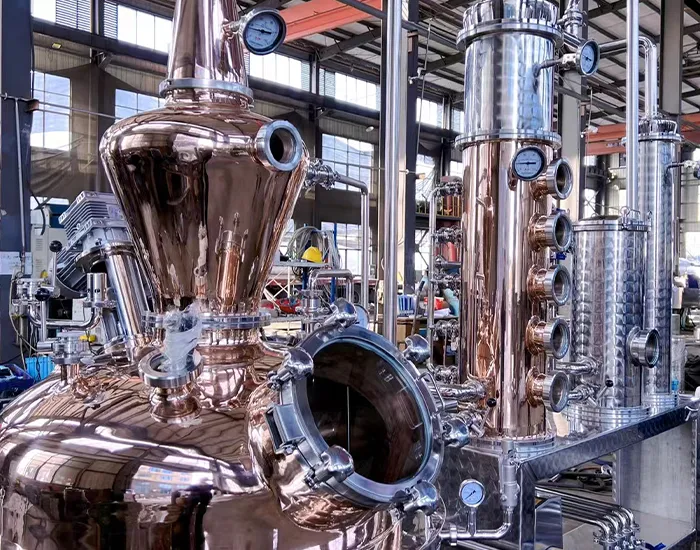
Yes, you can make distilled water at home with a water distiller. A water distiller heats water until it becomes steam, then cools the steam back into liquid. This is the same basic idea as industrial distillation, but on a smaller scale.
However, storage matters. Clean water can become contaminated if the container is dirty. CDC also notes that bacteria may grow on a distillation system’s cooling coils when the system is not being used.
If you use a water distiller, clean the unit, store the water in clean containers, and follow the manufacturer’s instructions. Water may look clear and still not be handled safely. Good water treatment includes both purification and clean storage.
How Does Water Quality Matter in Beverage Production?
For beverage producers, water is not just water. It is a core ingredient. In beer, water minerals can affect mash chemistry, yeast performance, mouthfeel, and flavor. In kombucha, cider, cold brew coffee, and distilled spirits dilution, water quality can change the final taste.
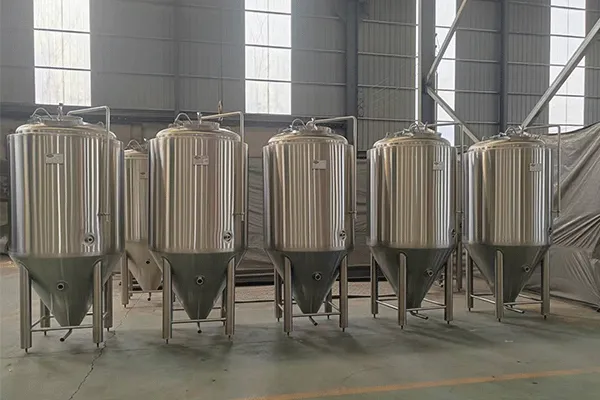
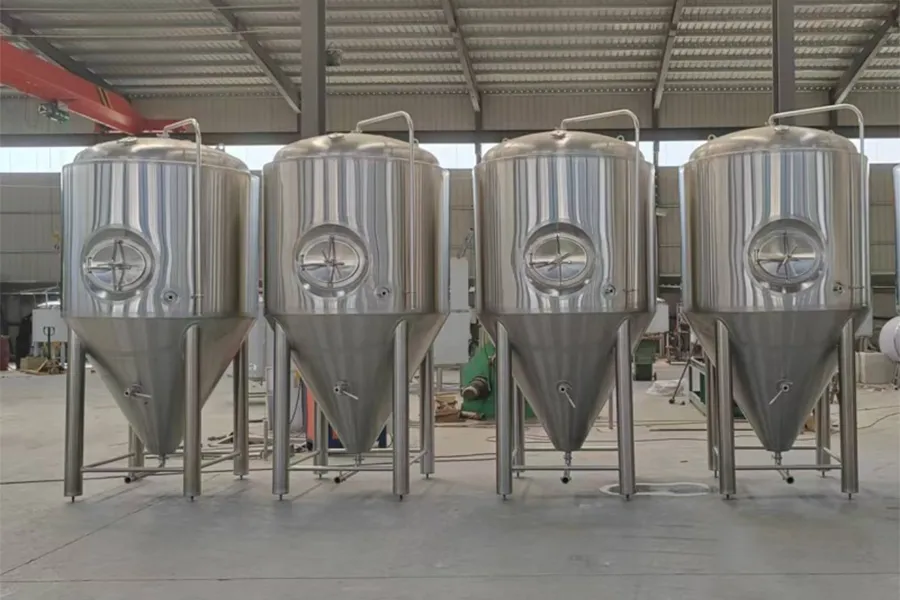
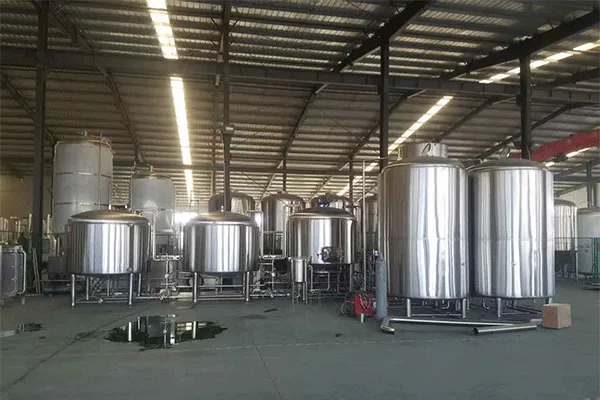
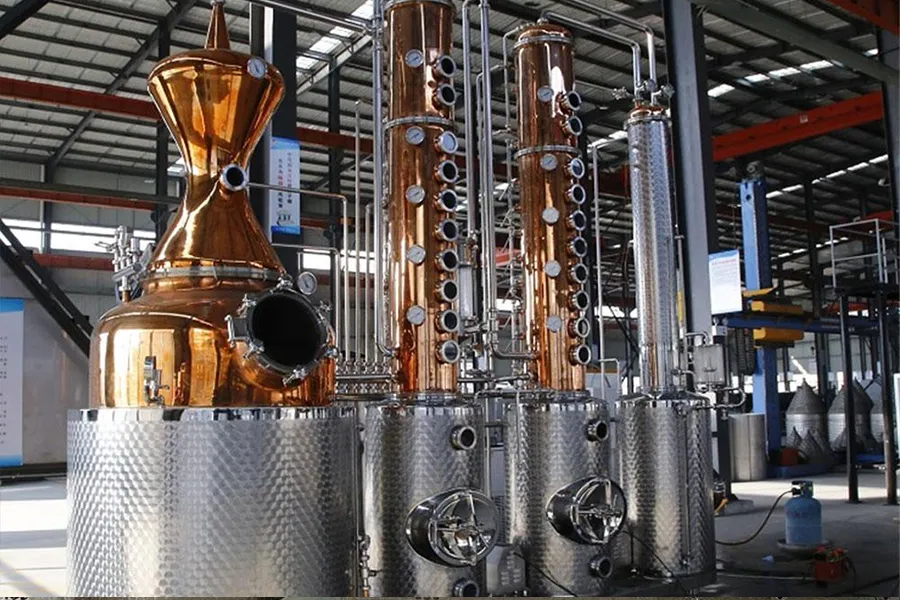
As a professional brewery and beverage equipment manufacturing plant, we provide customized stainless steel brewing systems, fermentation tanks, brewhouse systems, and turnkey brewery solutions for global B2B customers. For these projects, water treatment can support stable brewing performance, repeatable beverage quality, and safer production planning.
In beverage production, producers may use different water treatment methods:
| Water Treatment Method | Why Producers Use It |
|---|---|
| Carbon filtration | Reduces chlorine and improves taste |
| Softening | Controls hardness and scale |
| RO system | Produces low-mineral process water |
| UV sterilization | Helps control microorganisms |
| Mineral adjustment | Builds target water profile |
| Distillation | Special low-mineral water applications |
For craft breweries, wineries, cideries, kombucha producers, cold brew coffee producers, and distilleries, the best water is the water that matches the recipe and process.
How Should B2B Beverage Producers Choose Water Treatment Equipment?
B2B beverage producers should not choose water treatment equipment only by price. They should first test the local water. Then they should match the water treatment system to the product, capacity, and cleaning process.
A practical checklist includes:
1.Test the water source
Check hardness, alkalinity, chlorine, TDS, iron, manganese, microbes, and taste.
2.Define the beverage type
Beer, kombucha, cider, wine, spirits, and cold brew coffee may need different water profiles.
3.Choose the right water treatment
A water filter, RO system, UV unit, softener, or mineral dosing system may be needed.
4.Protect equipment
Good water treatment can reduce scale in boilers, heat exchangers, CIP systems, and stainless steel tanks.
5.Plan production growth
A beverage startup may begin small, but a commercial brewery needs room to expand.
6.Connect water and process layout
Water treatment should match brewhouse systems, fermentation tanks, CIP, packaging, and utilities.
For global B2B customers, turnkey planning reduces risk. A good equipment partner should understand stainless steel equipment, production layout, water treatment, installation support, and long-term service.
Should Beverage Producers Drink Distilled Water or Use It in Production?
For daily human drinking, many people prefer tap water, filtered water, or mineral water. But in beverage production, distilled or demineralized water may be useful as a blank base that can be adjusted.
For example, a brewery may use RO or low-mineral water and then add minerals back to create a stable water profile. A distillery may use controlled water for proofing spirits. A cold brew coffee producer may adjust minerals for better extraction and taste.
So, distilled water could be useful in production, but it is not always ready-to-use recipe water. Beverage quality depends on balance. Sometimes removing minerals is the first step. Adding the right minerals back may be the second step.
FAQs About Drinking Distilled Water
Can you drink distilled water?
Yes, you can drink distilled water if it is properly produced and stored. It is generally safe to drink, but many people do not use it as their main long-term drinking water because it lacks minerals and tastes flat.
Why do people say not to drink distilled water?
People usually say this because distilled water contains no minerals or electrolytes. Drinking only distilled water for a long time may not be ideal, especially if a person’s diet is also low in minerals.
Is distilled water better than tap water?
Not always. Distilled water is very low in minerals and many impurities. Tap water may contain minerals and is commonly used as a source of drinking water when it meets local safety standards. The better choice depends on water quality and purpose.
Is distilled water the same as purified water?
Distilled water is a type of purified water, but not all purified water is distilled. Purified water may be treated by reverse osmosis, filtration, deionization, or other methods.
Can distilled water be used in beverage production?
Yes. Distilled or low-mineral water can be useful in some beverage production processes, especially when producers want controlled water chemistry. However, many beverages need mineral adjustment for taste and process stability.
What is the best water to drink every day?
For most people, safe tap water, filtered water, or mineral water can be suitable for daily drinking. People with special health needs should follow advice from a qualified health professional or local public health authority.
Key Takeaways
You can drink distilled water, and it is generally safe when properly produced and stored.
Many people do not drink distilled water every day because it has no minerals and may taste flat.
The main concern is distilled water long-term use as the only drinking water source.
Distillation removes many contaminants, but it does not remove every volatile chemical.
Tap water, filtered water, purified water, mineral water, and distilled water all have different uses.
Distilled water is often useful for machines, labs, cleaning, and controlled production processes.
For beverage production, water quality affects taste, stability, equipment protection, and final product quality.
B2B beverage producers should test their water before choosing water treatment equipment.
A turnkey beverage equipment supplier can help connect water treatment, brewing systems, fermentation tanks, CIP, utilities, and production layout.
The best water is not always the “purest” water. It is the water that fits the purpose.