Se si lascia il vino troppo a lungo nel recipiente sbagliato, il sapore fresco della frutta può diventare piatto, aspro o rischioso. Se lo si travasa troppo presto, la fermentazione può bloccarsi. La soluzione è semplice: osservate il vino, misurate la densità e travasatelo nella fase giusta.
Il vino dovrebbe di solito rimanere nel fermentatore primario per circa 5-14 giorni, a seconda dell'attività del lievito, della temperatura, del livello di zucchero e del tipo di vino. Il momento migliore per trasferirlo è quando la fermentazione vigorosa rallenta e la densità relativa scende vicino a 1,020–1,030, oppure quando la ricetta conferma che la fase primaria è pronta per il travaso.
Struttura dell'articolo
- Quanto tempo dovrebbe rimanere il vino nel fermentatore primario?
- Cosa succede durante la fermentazione primaria?
- Come fai a sapere quando la fermentazione del vino rallenta?
- Dovresti usare un densimetro o le bolle del gorgogliatore?
- Quando dovresti travasare dalla fermentazione primaria a quella secondaria?
- Cosa succede se il vino rimane troppo a lungo nel fermentatore primario?
- Il tipo di vino cambia la tempistica della fermentazione?
- Quali attrezzature aiutano i produttori di vino a controllare la fermentazione?
- Come dovrebbero gestire le cantine commerciali la fermentazione primaria e secondaria?
- Domande frequenti sulla vinificazione, la fermentazione e l'imbottigliamento
Quanto tempo dovrebbe rimanere il vino nel fermentatore primario?
Per la maggior parte delle produzioni di vino in piccoli lotti, il vino rimane nel fermentatore primario per circa 5-14 giorni. Clemson Extension afferma fermentazione primaria dovrebbe concludersi entro 5-14 giorni e, una volta che la densità è stabile, il vino può essere travasato in un recipiente per la fermentazione secondaria. Virginia Cooperative Extension indica un intervallo simile ma leggermente più breve, osservando che la fermentazione primaria dura spesso circa 3-10 giorni, a seconda dello stile di vino e della temperatura.
Nella produzione reale, non trasferiamo il vino basandoci solo sul calendario. Un calendario è utile. Un densimetro è meglio. Se il vino continua a formare molta schiuma, a gorgogliare rapidamente e a rilasciare molta CO2, è ancora nelle prime fasi della fermentazione. Se la fermentazione rallenta e la lettura della densità è scesa vicino all'intervallo previsto, potrebbe essere il momento di travasare.
Una semplice regola funziona bene: lascia il vino nel fermentatore primario finché la fase più attiva non è terminata, poi travasalo prima che rimanga troppo a lungo sui sedimenti pesanti. Questo protegge il sapore, aiuta a ridurre il rischio di alterazioni e offre al vino un passaggio più pulito alla fase successiva.
Cosa succede durante la fermentazione primaria?
Durante la fermentazione primaria, il lievito si nutre dello zucchero presente nel succo d'uva o nel mosto e lo trasforma in alcol e CO2. Questo è il cuore della fermentazione del vino. È rumorosa, veloce, caotica e, a dire il vero, piuttosto bella. La natura fa il lavoro più duro. Il vinificatore la guida.
Le fonti scientifiche descrivono la fermentazione alcolica come un processo in cui il lievito converte gli zuccheri in etanolo e anidride carbonica. Per questo un vino in fermentazione può formare schiuma, rilasciare gas e avere un profumo fruttato, di lievito o caldo durante la fermentazione attiva.
Nella fase iniziale, il mosto contiene abbastanza zucchero, l'attività del lievito è sana e spesso vi è un adeguato apporto di nutrienti per fermentare vigorosamente. Potresti vedere un cappello di bucce d'uva nei vini rossi, bolle che passano attraverso un gorgogliatore o schiuma in un secchio per uso alimentare. Per il vino ottenuto da uve, la fase primaria è anche il momento in cui iniziano a svilupparsi colore, tannini e aromi.
Come fai a sapere quando la fermentazione del vino rallenta?
Spesso si può vedere quando la fermentazione rallenta. La schiuma diminuisce. Il cappello di vinacce diventa meno attivo. Il gorgogliatore o il bubbler rilascia meno bolle. Il dolce odore del succo d'uva diventa più simile a quello del vino. Ma i segnali visivi sono solo indizi, non una prova definitiva.
Il metodo migliore è controllare il vino con un densimetro. Un densimetro misura il peso specifico, che indica quanto è denso il liquido. Poiché lo zucchero rende il liquido più denso, il valore diminuisce man mano che il lievito consuma lo zucchero e produce alcol. WineMaker Magazine spiega che i densimetri aiutano a monitorare questo cambiamento di densità durante la fermentazione.
Molti vinificatori stabiliscono quando la fermentazione è pronta per il travaso controllando nel tempo le letture del densimetro. Se la lettura scende verso 1,030, 1,020 o valori inferiori, a seconda della ricetta, il vino potrebbe essere pronto per passare dal contenitore primario a quello secondario. Alcune guide menzionano il travaso intorno a 1,020–1,030, mentre altre suggeriscono di trasferire il vino intorno a 1,030 o a un valore inferiore.
Dovresti fidarti delle bolle del gorgogliatore o usare un densimetro?
Le bolle del gorgogliatore sono utili, ma possono ingannare. Un tappo allentato, una scarsa tenuta, una variazione di temperatura o una piccola perdita possono far sembrare silenzioso il gorgogliatore anche quando la fermentazione è ancora attiva. Un gorgogliatore che fa bolle significa che il gas sta fuoriuscendo. Non dimostra quanto zucchero rimanga.
Un densimetro dà una risposta più chiara. Aiuta a stabilire quando trasferire il vino, se la fermentazione lenta è ancora in corso e se la fermentazione è completa. L'University of Georgia Extension osserva che un densimetro misura lo zucchero prima della fermentazione e indica anche quando la fermentazione è terminata.
Usate questo semplice confronto:
| Segno | Cosa indica | Quanto è affidabile? |
|---|---|---|
| Bollitura rapida | La CO2 sta fuoriuscendo | Utile, ma non preciso |
| Attività della schiuma o del cappello | La fermentazione vigorosa è attiva | Buon indizio visivo |
| Sapore dolce | Potrebbe rimanere zucchero | Non preciso |
| Densità relativa | Progresso della conversione dello zucchero | Più utile |
| Letture stabili | La fermentazione si è fermata o ha rallentato notevolmente | Indicatore forte |
So yes, watch the airlock. But trust the hydrometer.
When Should You Rack from Primary to Secondary Fermentation?
You should usually rack the wine after the most active fermentation stage slows and the gravity reaches the recipe’s target range. In many recipes, that means near 1.020 to 1.030. North Dakota State University Extension says to rack wine into a secondary fermenter and attach an airlock when SG reaches about 1.020 to 1.030.
To rack means to transfer wine from one vessel to another while leaving heavy sediment behind. You can use a siphon or racking cane to move the wine gently. The goal is to avoid splashing, reduce oxygen exposure, and leave the thick layer of lees at the bottom. Clemson notes that lees are yeast and fruit sediment at the bottom of the fermenter and recommends leaving as much of them behind as possible during racking.
A normal workflow looks like this:
| Palcoscenico | What You Do | Typical Sign |
|---|---|---|
| Primary fermentation | Let yeast ferment sugar strongly | Foam, bubbling, CO2 blanket |
| First rack | Move from primary to secondary container | SG near 1.020–1.030 |
| Secondary fermentation | Let wine finish and clear | Slower bubbles, settling lees |
| Later racking | Move off sediment again | Wine is clear |
| Bottiglia | Package finished wine | Stable gravity and clean flavor |
This is the classic primary and secondary path used in many homebrewing and winemaking guides.
What Happens If Wine Stays Too Long in the Primary Fermenter?
If wine sits too long on heavy sediment, it may develop unwanted flavors. The heavy layer contains fruit solids, dead yeast cells, and pulp. Some contact can be fine. Too much time can create bitterness, dull aroma, or off-notes, especially in small batches with a lot of gross lees.
That does not mean you must panic on day 8. Wine is not a ticking bomb. But once the vigorous fermentation has passed, the wine should move into a cleaner, more airtight vessel such as a carboy, stainless steel tank, or other secondary container. This protects the wine from excess oxygen, spoilage, and rough sediment character.
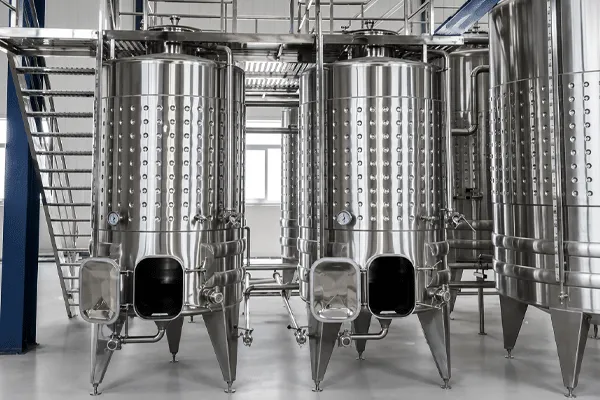
The risk changes by batch size and equipment. A 1 gallon batch in a food grade bucket has more surface area exposure than a sealed commercial stainless steel fermenter. A commercial tank with proper cone bottom, sanitary outlet, and controlled transfer can manage lees and oxygen much better. Equipment matters. A lot.
Does the Type of Wine Change the Fermentation Timeline?
Yes. The type of wine changes the schedule. Red grape wines often ferment with skins during the early stage, so the winemaker may punch down the cap for color and tannin. White wines are often pressed before fermentation and may ferment at cooler temperatures to protect aroma.
Virginia Cooperative Extension notes that red wine primary fermentation may sit around 70 degrees Fahrenheit, while white wines may use cooler temperatures around 50–60°F. UC Davis also explains that temperature affects yeast performance and that many Saccharomyces strains perform well around 25–30°C, while some other yeasts prefer lower ranges.
Examples:
| Style of Wine | Primary Focus | Typical Concern |
|---|---|---|
| Red wine | Color, tannin, active cap management | Skin contact and heat |
| White wines | Clean aroma and acidity | Cooler fermentation temperature |
| Chardonnay | Style choice: fresh, oaked, or fuller body | Temperature and lees plan |
| Fruit wine | Sugar and acidity balance | Nutrient levels and clarity |
| Wine kit | Follow kit instructions closely | Timing may differ from grape must |
So, when making a wine, do not copy a timeline blindly. Match the timeline to the style of wine, yeast strain, sugar level, and equipment.
What If Fermentation Has Stopped Too Early?
If fermentation has stopped too early, do not rush to bottle. First, check specific gravity. If the wine is still sweet and the gravity is high, the ferment may be stuck. Possible causes include low nutrient levels, poor temperature control, weak wine yeast, too much sugar, or poor oxygen management at the start.
A stuck or slow fermentation can happen when yeast becomes stressed. UC Davis notes that problem fermentations can include poor fermentation rate progression and off-character formation, and they are easier to prevent than to treat.
Before you act, ask:
- Is the fermentation temperature too low or too high?
- Did the must have enough nutrient?
- Was there enough sugar, or too much sugar?
- Are the yeast cells still active?
- Did you add campden or a crushed campden tablet too close to pitching yeast?
- Is the reading stable for several days?
If the gravity is around 1.000 and stable, fermentation may be finished. If it is much higher and still sweet, check your recipe, warm the wine gently if needed, and consider professional advice before trying to restart.
What Equipment Helps Winemakers Control Fermentation?
Good equipment makes fermentation easier to manage. For small batches, basic tools include a primary fermentor, airlock, stopper, hydrometer, siphon, sanitizer, and sealable secondary vessel. For commercial wineries and beverage plants, the equipment list gets more serious.
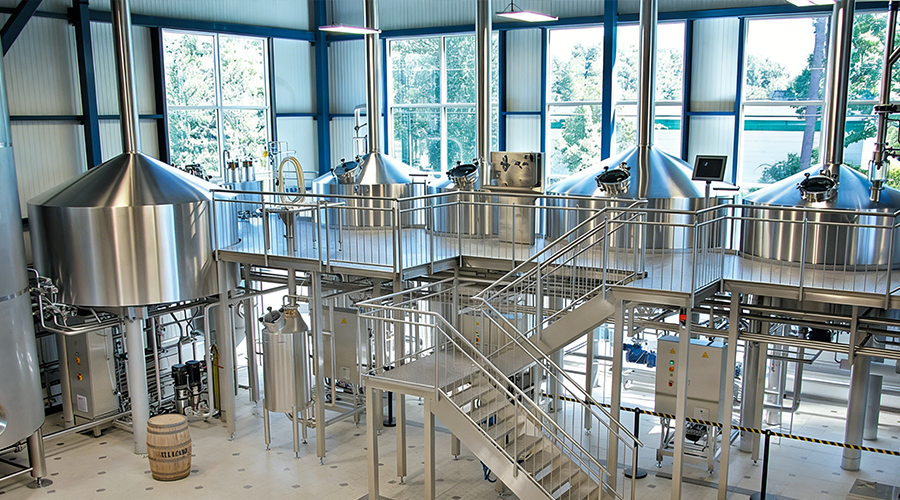
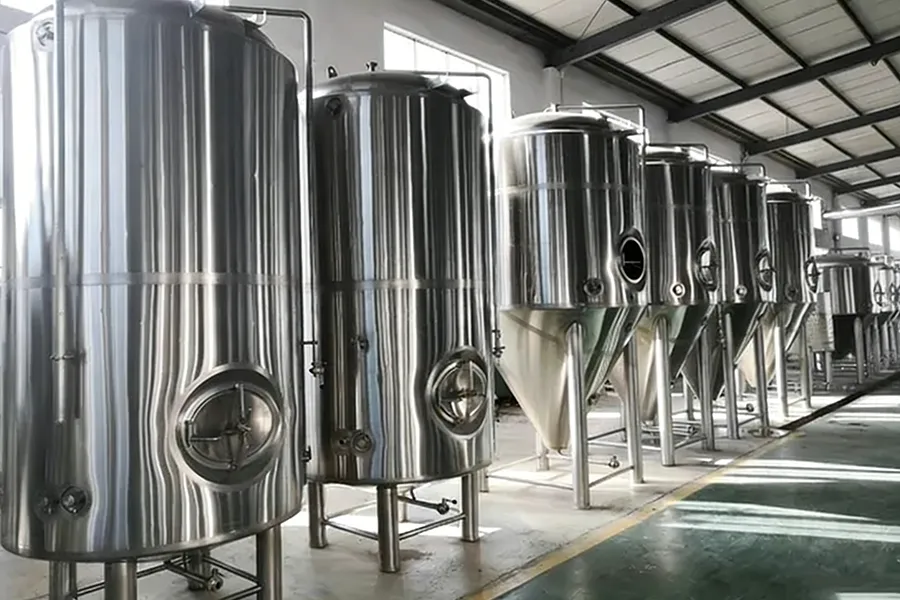
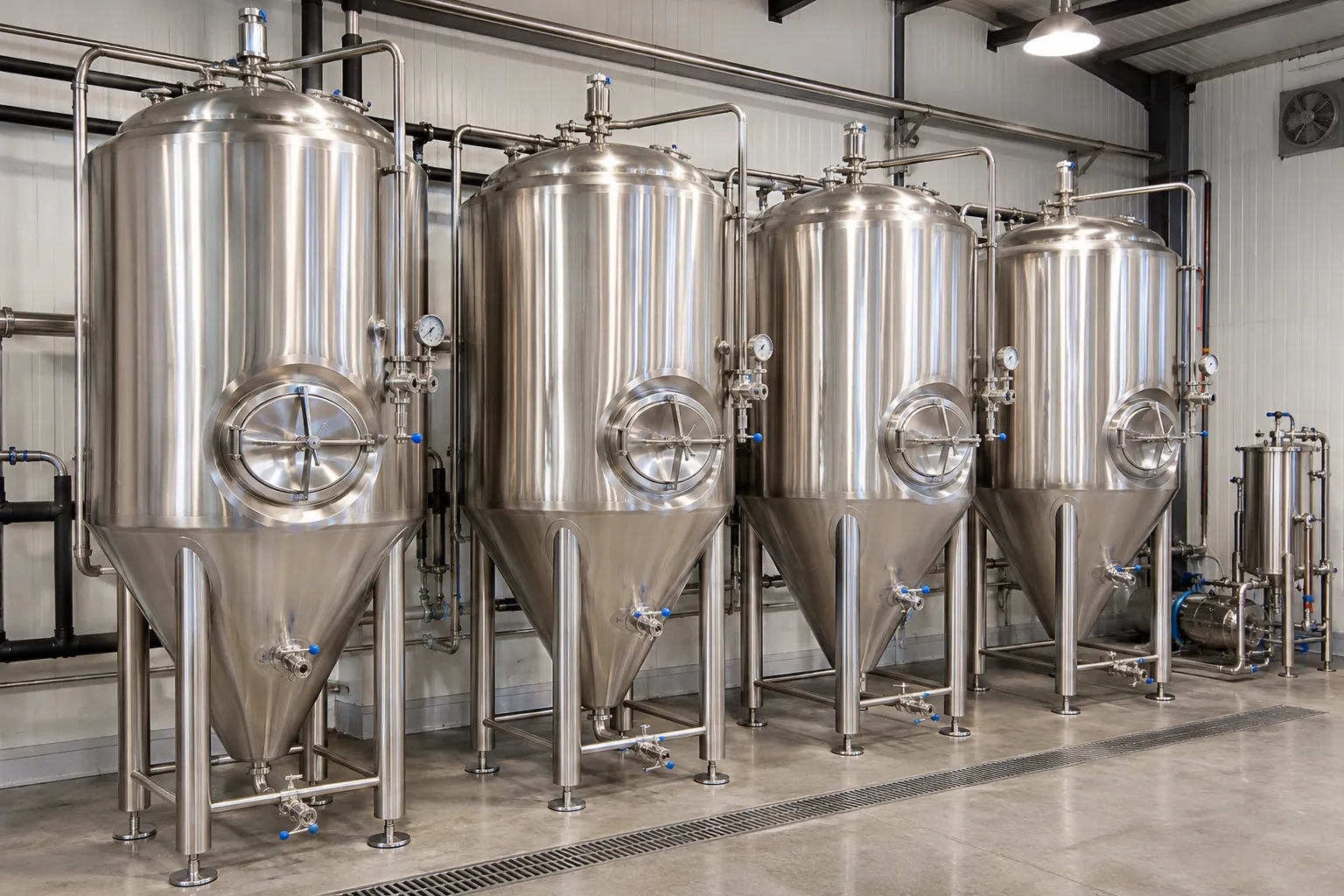
As a professional brewery and beverage equipment manufacturing plant, we often look at fermentation as a full system, not just a tank. A sanitary stainless steel fermenter should support easy cleaning, safe transfer, temperature control, and stable production. The same thinking applies to wineries, cideries, kombucha producers, distilleries, and cold brew coffee producers.
Important equipment features include:
- Food grade contact surfaces
- Sanitary stainless steel construction
- Smooth internal polishing
- Clean bottom outlet or racking port
- Temperature control jacket
- CIP cleaning support
- Pressure-safe design when needed
- Accurate sampling valve
- Proper headspace design
- Easy transfer from primary to secondary container
A good fermenter will not make wine for you. But it can help you make wine with fewer mistakes.
How Should Commercial Wineries Manage Primary and Secondary Fermentation?
Commercial winemakers need repeatability. A hobby batch can tolerate a small mistake. A production batch cannot. One off-flavor in a large tank can become an expensive lesson with a very rude personality.
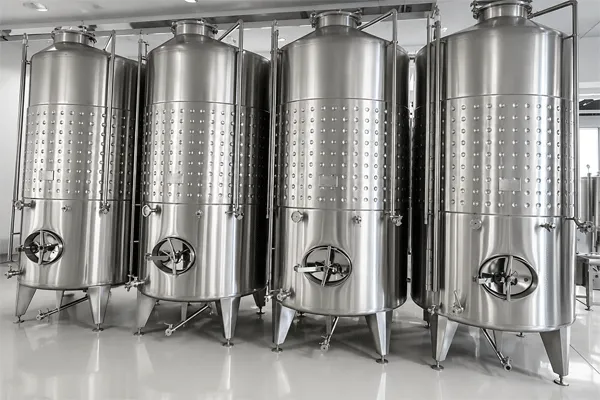
For B2B buyers, the key is to build a process around the tank. That means matching tank capacity, cooling system, layout, transfer pump, control panel, and cleaning method before installation. A stainless steel fermentation tank should fit the real workflow: receiving grape juice, inoculation, fermentation, racking, clarification, storage, and bottle preparation.
A good commercial setup should answer these questions:
| Planning Question | Perché è importante |
|---|---|
| Qual è la dimensione del lotto? | Determines tank capacity |
| What is the sugar level? | Affects fermentation strength |
| What is the target wine style? | Changes temperature and timeline |
| How will you rack? | Controls oxygen and sediment |
| How will you clean? | Reduces spoilage risk |
| How will you cool? | Protects aroma and yeast health |
| When will you bottle? | Requires stable wine and clear process |
This is where customized stainless steel brewing systems, fermentation tanks, brewhouse systems, and turnkey beverage solutions bring real value. The goal is not only to ferment. The goal is to produce clean, stable, market-ready beverages with lower project risk.
Should You Bottle Right After Primary Fermentation?
No. Do not move straight from primary fermentation into wine bottles. Primary is only the first active stage. After that, wine usually needs secondary fermentation, clearing, stabilization, aging, or adjustment before bottling.
If you bottle too early, remaining sugar and yeast can keep working inside the bottle. That can cause pressure, popping corks, haze, or worse. If fermentation is complete but the wine is not clear, you may still need time, racking, or fining before bottle packaging.
Before bottling, confirm:
- Fermentation is complete
- Gravity readings are stable
- The wine is clear
- There is no unwanted odor
- Acidity and flavor are balanced
- The wine has been protected from oxidation
- Bottling equipment is clean and sanitized
Bottle only when the wine is ready. Patience tastes better.
Practical Case Study: A Small Winery Moving from Buckets to Stainless Steel Tanks
A small winery started with several plastic buckets and carboys. The wine was good, but batches varied. Some ferments finished quickly. Others dragged. Racking took too much labor. Oxygen exposure was hard to control. The team wanted better quality and less guesswork.
We helped design a small stainless steel fermentation layout with proper working height, sanitary valves, temperature control, and easy transfer lines. The winery could check the wine, rack cleanly, and reduce sediment pickup. The process became more repeatable.
The lesson is simple: better equipment does not replace winemaking skill, but it helps good decisions happen at the right time. For project investors and engineering contractors, that means lower risk. For craft producers, it means fewer headaches and better product quality.
Domande frequenti
How many days should wine stay in the primary fermenter?
Most wine stays in the primary fermenter for about 5 to 14 days. Some recipes finish the active stage in 3 to 10 days. Use hydrometer readings, not only days, to decide when to rack.
Can wine stay in primary fermentation for 3 weeks?
It can, but it is not always ideal. If the wine is sitting on heavy sediment in an open or loosely sealed vessel, it may pick up unwanted flavors or oxygen. If it is still fermenting slowly, check gravity before moving it.
What specific gravity should wine be before secondary fermentation?
Many recipes move wine to secondary fermentation around 1.020 to 1.030. Some winemakers wait lower depending on the recipe, wine style, and fermentation speed. Always follow the wine kit or professional recipe if you are using one.
Do I need an airlock during primary fermentation?
During vigorous fermentation, some primary vessels are covered with a clean cloth or loose lid because CO2 escapes quickly. Once the wine moves to secondary, use an airlock to reduce oxygen exposure while gas can still escape.
What are lees in winemaking?
Lees are sediment made from yeast, fruit solids, and other particles that settle at the bottom. A small amount of lees contact can be useful in some styles, but heavy gross lees can create bitterness or unwanted flavors if ignored.
How do I know fermentation is complete?
Use a hydrometer. Fermentation is complete when the gravity is low and stable over repeated readings, and the wine shows no signs of renewed activity. Do not rely only on bubbles.
Punti chiave
- Wine usually stays in the primary fermenter for 5 to 14 days.
- Do not move wine by calendar alone; use specific gravity.
- Many recipes rack near 1.020–1.030, depending on style.
- Primary fermentation is fast, active, and rich in CO2.
- Secondary fermentation is slower and helps wine finish and clear.
- Avoid long contact with heavy sediment unless the style requires it.
- Use a hydrometer, airlock, siphon, and clean secondary container.
- Keep oxygen exposure low after active fermentation slows.
- Temperature, yeast, sugar, nutrient, and wine style all affect timing.
- For commercial wineries and beverage plants, sanitary stainless steel tanks, proper layout, reliable installation support, and long-term service help protect wine quality and production efficiency.