





Fermentation can turn simple food and drink into high-value products, but the wrong jar, lid, or vessel can cause mold, leaks, off-flavors, and wasted batches. The solution is simple: choose the right fermentation container for your batch size, recipe, hygiene needs, and production goal.
The best container for fermentation depends on what you want to ferment. For sauerkraut, pickle, kimchi, and small vegetable fermentation, a wide-mouth glass jar, mason jar, or fermentation crock with a lid, airlock, and fermentation weight works well. For breweries, kombucha producers, cideries, wineries, and beverage startups, sanitary stainless steel fermentation vessels are usually the best choice.
Article Outline
- What makes a jar or vessel good for fermentation?
- Is a glass jar the best fermentation jar for beginners?
- When should you use a mason jar fermentation setup?
- Why do lids, airlocks, and fermentation weights matter?
- Is a fermentation crock better than a jar?
- What is the best container to ferment vegetables, sauerkraut, kimchi, and pickles?
- Can you use a canning jar or wide-mouth jar for fermentation at home?
- What fermentation vessels are best for beer, kombucha, cider, wine, and cold brew?
- How do you choose the right batch size and fermentation equipment?
- How can B2B beverage producers choose a reliable fermentation equipment manufacturer?
- FAQs about fermentation jars and fermenting vessels
- Key takeaways
What Makes a Jar or Vessel Good for Fermentation?
A good fermentation jar or fermenting vessel should be food grade, easy to clean, non-reactive, strong, and able to manage fermentation gases. During fermentation, yeast, bacteria, or natural cultures convert sugars into acids, alcohol, carbon dioxide, and flavor compounds. This process needs a safe space.
For many fermented foods, the best container keeps the food under brine and limits unwanted oxygen. For drinks like beer, cider, wine, kombucha, and cold brew coffee, the best container must also support sanitation, temperature control, drainage, cleaning, and stable batch performance.
A simple jar can work for fermenting at home. A professional fermentation tank is better for commercial brewing and beverage production. The idea is the same: protect the product, control the process, and keep the batch clean.
| Fermentation Use | Best Container Type | Why It Works |
|---|---|---|
| Sauerkraut | Wide-mouth glass jar or crock | Easy to pack cabbage and brine |
| Pickle | Glass canning jar or fermentation crock | Keeps vegetables submerged |
| Kimchi | Jar, crock, or food-grade container | Handles vegetable fermentation well |
| Sourdough starter | Glass jar with loose lid | Easy to feed and watch |
| Beer | Stainless steel fermenter | Sanitary, strong, scalable |
| Kombucha | Glass jar for small batch, stainless tank for commercial batch | Clean and easy to monitor |
| Cider or wine | Stainless steel or glass vessel | Better flavor control |
| Commercial beverage | Stainless steel fermentation vessels | Built for production efficiency |
Is a Glass Jar the Best Fermentation Jar for Beginners?
A glass jar is often the best fermentation jar for beginners because it is easy to find, easy to clean, and lets you see what is happening inside. You can watch bubbles, brine level, color change, and food texture. That helps new users learn faster.
A glass fermentation jar also does not react with acidic foods. This is useful for sauerkraut, pickle, kimchi, and many vegetable recipes. If you use a wide mouth jar, you can pack vegetables more easily and remove the finished food without trouble.
Still, a jar is not perfect. It can break. It may need a special fermentation lid, glass weight, or airlock to work better. If you only use a normal jar with lid, you may need to burp the jar daily to release pressure. Forgetting to burp can cause leaks or pressure build-up.
When Should You Use a Mason Jar Fermentation Setup?
A mason jar fermentation setup is a good choice for small batch fermented foods. It is popular for sauerkraut, pickle slices, hot sauce, garlic honey, and small vegetable fermentation. Wide mouth mason jars are especially useful because they fit many fermentation tools.
A basic mason jar fermentation setup may include:
- A wide-mouth mason jar
- A mason jar lid or fermentation lid
- A glass fermentation weight
- An airlock lid
- A rubber band or cloth cover for simple recipes
- A label with date and recipe name
Mason jars are flexible. You can use smaller jars for testing recipes and a gallon jar for larger home batches. If you want to ferment vegetables for a family kitchen, this setup is low-cost and practical.
For commercial producers, however, a mason jar is only useful for R&D, recipe testing, or sample development. Once the product moves to a brewpub, taproom, kombucha brand, cidery, winery, or beverage startup, larger fermentation equipment becomes more important.
Why Do Lids, Airlocks, and Fermentation Weights Matter?
A lid protects the fermentation from dust, insects, and outside contamination. An airlock allows gases to escape while helping reduce oxygen entry. A fermentation weight keeps vegetables below the brine. These small tools can decide whether a batch succeeds or fails.
During fermentation, gases build up. If you use a sealed lid without an airlock, you may need to burp the jar. That means opening it slightly to let gases to escape. If you use airlocks for fermenting, the airlock for fermentation does this job more safely and more consistently.
A fermentation weight is also important. Vegetables should stay under the brine. If cabbage, cucumber, or kimchi floats above the brine, mold risk increases. You can use a glass weight, fermenting weights, or in simple home use, a small jar or bag filled with water.
Common Lid and Airlock Options
| Tool | Best For | Notes |
|---|---|---|
| Loose lid | Sourdough, simple short ferments | Easy but less controlled |
| Fermentation lid | Vegetable fermentation | Better than a normal lid |
| Airlock lid | Sauerkraut, kimchi, pickles | Lets fermentation gases escape |
| Water barrier crock lid | Traditional crock fermentation | Helps limit oxygen |
| Cloth cover | Sourdough or kombucha first fermentation | Use with care and cleanliness |
A good jar with lid is helpful. A jar with a proper fermentation lid and weight is better.
Is a Fermentation Crock Better Than a Jar?
A fermentation crock is better than a jar when you want to make a larger batch of sauerkraut, pickle, or vegetables. A crock has more space, more weight, and a traditional design. Many people like crocks because they make vegetable fermentation simple and steady.
There are two common styles: open crocks and water-sealed crocks. A water-sealed fermentation crock uses a lid and water barrier. This allows gas to escape while helping keep air out. It is a smart design for longer fermentation.
A ceramic fermentation crock also looks attractive and works well for batch production in kitchens and small food workshops. But it has limits. It is heavier than glass, harder to inspect visually, and can crack if handled poorly. Ceramic fermentation crocks are good for food, but they are not the best choice for commercial beer or beverage production.
For larger professional beverage output, stainless steel tanks are much easier to clean, control, and scale.
What Is the Best Container to Ferment Vegetables, Sauerkraut, Kimchi, and Pickles?
For fermenting vegetables, the best container is usually a wide-mouth glass jar, fermentation jar kit, or fermentation crock. These options make it easy to pack the vegetable, add brine, submerge the food, and monitor the fermentation period.
For sauerkraut, cabbage should be packed tightly so the brine covers the cabbage. To make sauerkraut safely and consistently, many guides recommend keeping cabbage under brine and controlling temperature. For pickle fermentation, cucumbers also need proper brine strength, clean tools, and enough time to ferment.
For kimchi, a jar or crock works well for home use. The vegetable mix should have space to expand because fermentation creates bubbles and pressure. Do not fill the jar to the very top. Leave headspace.
| Food | Recommended Container | Helpful Tool |
|---|---|---|
| Sauerkraut | Wide-mouth jar or crock | Glass weight |
| Pickle | Canning jar or crock | Airlock lid |
| Kimchi | Glass jar or food-grade container | Fermentation weight |
| Hot sauce | Glass fermentation jar | Airlock |
| Sourdough | Glass jar | Loose lid |
| Small tests | Smaller jars | Label and date |
For home users, these are easy choices. For food brands, recipe development may start in a jar, but commercial production should move to controlled fermentation vessels.
Can You Use a Canning Jar or Wide-Mouth Jar for Fermentation at Home?
Yes, you can use a canning jar for fermentation at home. Wide-mouth canning jars are very popular because they are easy to fill, clean, and fit with many fermenting lids. Glass canning jars are also widely available and affordable.
A wide-mouth jar is better than a narrow jar for vegetables. It is easier to press food down, add a glass weight, remove the product, and clean the jar later. If you use a normal canning lid, remember that fermentation creates gas. You may need to burp the jar daily or use an airlock fermentation lids system.
A canning jar is not the same as a pressure-rated industrial vessel. Do not use it for pressurized beverage fermentation. It is suitable for many fermented foods, but commercial beverages need properly designed tanks.
A simple rule works well: use jars for learning, testing, and small batches; use stainless steel fermentation vessels for business growth.
What Fermentation Vessels Are Best for Beer, Kombucha, Cider, Wine, and Cold Brew?
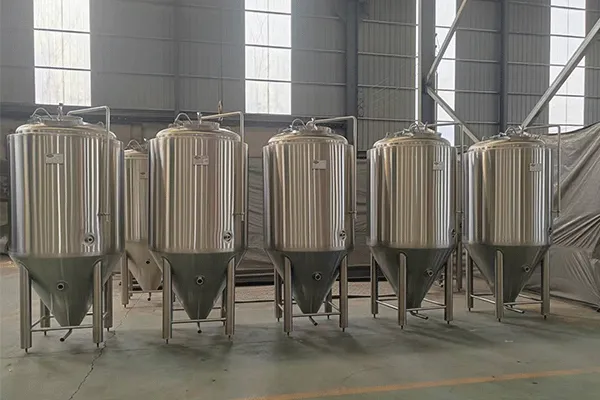
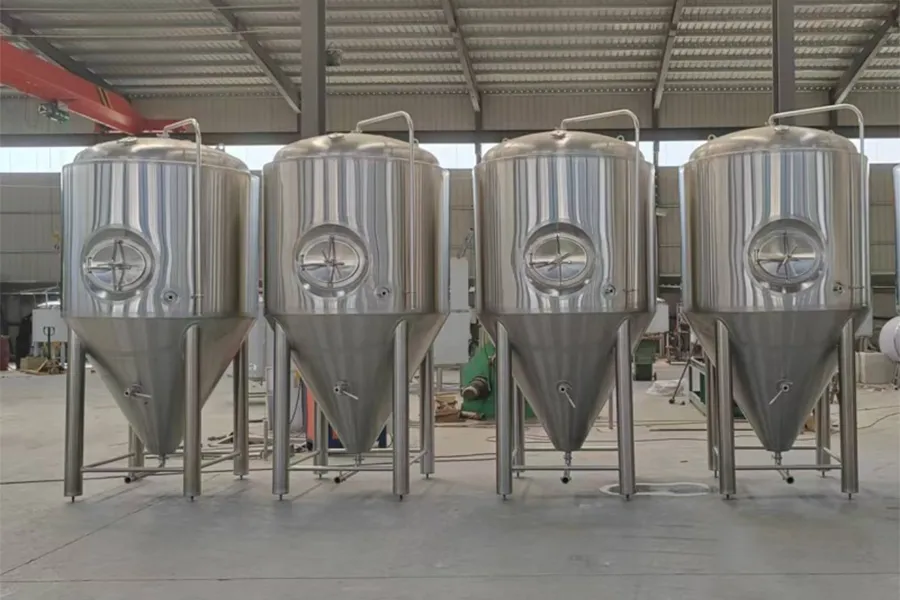
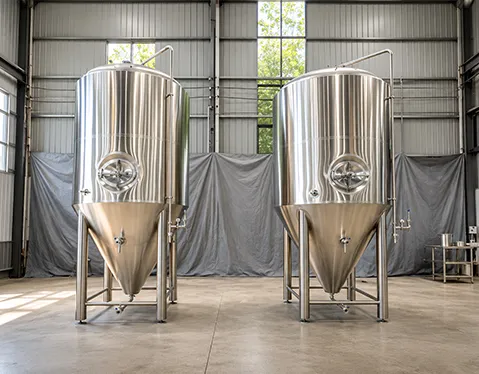
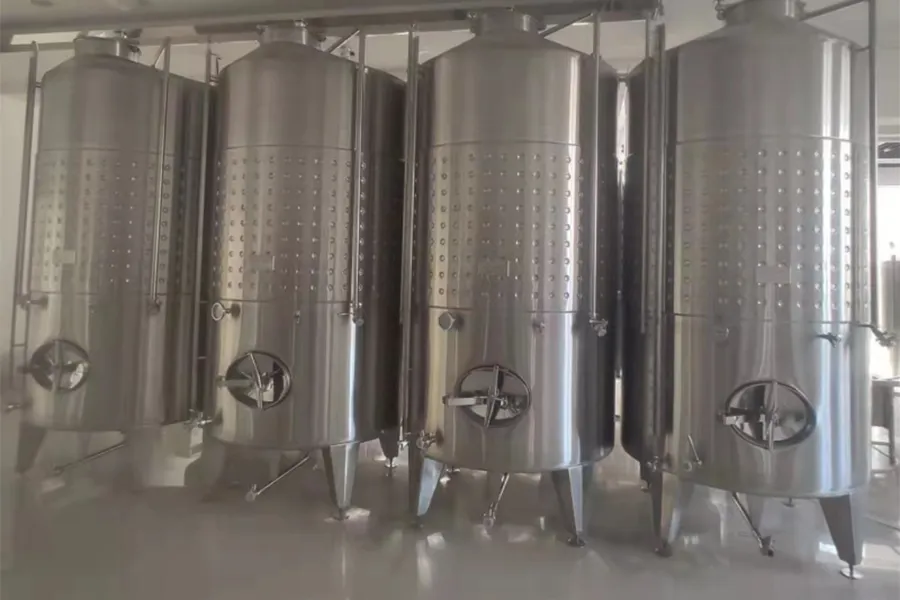
For beer, kombucha, cider, wine, distillery wash, and cold brew coffee, the best fermentation vessels are usually sanitary stainless steel tanks. Stainless steel is strong, cleanable, long-lasting, and suitable for controlled production.
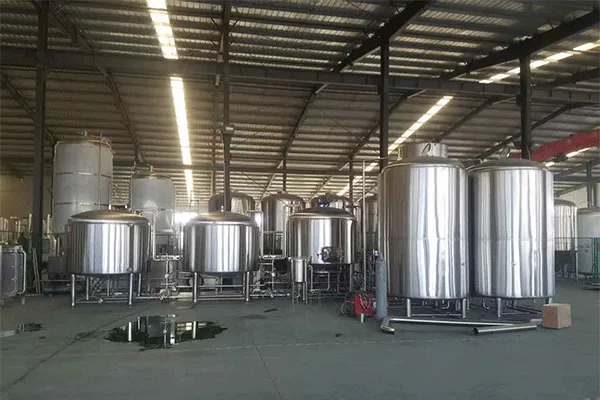
As a professional brewery and beverage equipment manufacturing plant, we provide customized stainless steel brewing systems, fermentation tanks, brewhouse systems, and turnkey brewery solutions for global B2B customers. We work with craft breweries, brewpubs, taprooms, microbreweries, commercial breweries, beverage startups, kombucha producers, cideries, wineries, distilleries, cold brew coffee producers, project investors, and engineering contractors.
Commercial buyers care about more than one vessel. They need capacity planning, sanitary design, stable brewing performance, efficient production layout, reliable installation support, and long-term after-sales service. A good fermentation system helps improve production efficiency, ensure beverage quality, reduce project risk, and support sustainable business growth.
Home Fermentation vs Commercial Fermentation
| Factor | Home Jar or Crock | Commercial Stainless Tank |
|---|---|---|
| Batch size | Small | Medium to large |
| Cleaning | Manual | CIP cleaning possible |
| Temperature control | Limited | Jacketed control available |
| Pressure control | Limited | Designed by process need |
| Sanitation | User-dependent | Hygienic design |
| Best use | Sauerkraut, pickle, kimchi, testing | Beer, kombucha, cider, wine, cold brew |
| Business value | Learning and recipe trials | Stable production and scaling |
For a brewery or beverage brand, the best fermentation container is not just a vessel. It is part of the whole production system.
How Do You Choose the Right Batch Size and Fermentation Equipment?
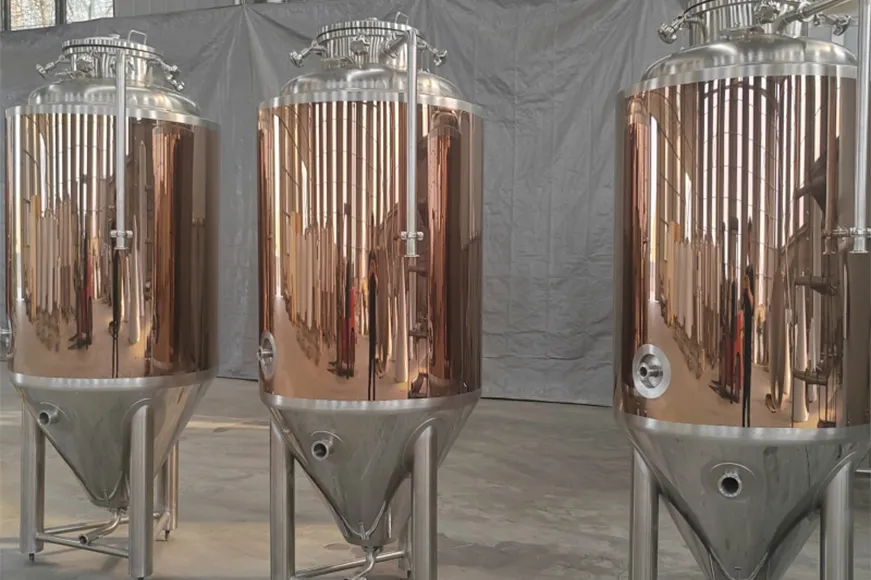
Batch size should match your recipe, sales plan, space, utilities, labor, and growth target. A small jar is good for recipe testing. A 1-gallon jar may suit a home batch. A fermentation crock may fit a family or small workshop. A commercial tank may support a taproom, microbrewery, or beverage factory.
For B2B beverage projects, we usually ask buyers several questions:
- What product will you ferment?
- What is your daily, weekly, or monthly output goal?
- Do you need cooling or heating?
- What is your available floor space?
- Will you use manual cleaning or CIP?
- What packaging method will follow fermentation?
- Do you plan to expand later?
These questions help avoid under-sizing or over-spending. A tank that is too small limits growth. A tank that is too large can hurt cash flow and process control. The best fermentation equipment should fit today’s production while leaving room for tomorrow.
Simple Capacity Planning Table
| Business Type | Common Starting Direction | Main Goal |
|---|---|---|
| Home fermenter | Jar, crock, fermentation kit | Learn and test recipes |
| Brewpub | Small brewhouse and fermenters | Fresh beer on site |
| Microbrewery | Multiple stainless fermenters | Stable batch production |
| Kombucha startup | Jacketed fermentation tanks | Flavor and temperature control |
| Cidery or winery | Stainless tanks | Clean handling and storage |
| Engineering project | Turnkey system | Risk control and fast installation |
How Can B2B Beverage Producers Choose a Reliable Fermentation Equipment Manufacturer?
A reliable fermentation equipment manufacturer should understand both equipment and production logic. It should not only sell tanks. It should help buyers plan capacity, layout, utilities, process flow, cleaning, installation, and long-term service.
For global B2B customers, the right supplier should provide:
- Customized stainless steel fermentation tanks
- Brewhouse systems
- Turnkey brewery solutions
- Fermentation equipment for kombucha, cider, wine, and cold brew
- Sanitary welding and polishing
- Layout design support
- Installation guidance
- After-sales service
- Spare parts and technical support
As a manufacturing plant, we build project-ready solutions for serious beverage producers. We know a new brewery or beverage facility is a big investment. The right fermenting vessel can improve product quality. The wrong one can slow production and create cleaning problems.
Mini Case Study: From Jar Testing to Commercial Fermentation
A beverage startup began with glass jar tests for a fermented tea product. The founder tested flavor, sugar level, yeast activity, and fermentation time in small jars. The recipe worked. Demand grew.
The problem came next. Jars were too slow. Cleaning took too much labor. Batch quality changed from jar to jar. The company needed commercial fermentation vessels with better temperature control and sanitary design.
We helped the client move from small-batch testing to stainless steel fermentation tanks. The new layout improved workflow, reduced manual handling, and made production more stable. This is a common growth path: jar first, professional tank next.
FAQs About Fermentation Jars and Fermenting Vessels
What is the best fermentation jar for beginners?
The best fermentation jar for beginners is usually a wide-mouth glass jar with a fermentation lid, airlock, and glass weight. It is easy to clean, easy to watch, and good for sauerkraut, pickle, kimchi, and small vegetable ferments.
Can I ferment vegetables in a mason jar?
Yes. You can ferment vegetables in a mason jar, especially if it is wide mouth. Use brine, keep vegetables submerged, leave headspace, and use an airlock or burp the jar when needed.
Do I need an airlock for fermentation?
An airlock is not always required, but it is very helpful. It lets gases escape while reducing oxygen entry. This can make fermentation easier and cleaner, especially for beginners.
Is a crock better than a jar for sauerkraut?
A fermentation crock is better for larger sauerkraut batches. A jar is better for small batches and testing. If you make sauerkraut often, a crock can be more convenient.
Can I use plastic containers for fermentation?
Only use food grade plastic containers designed for food contact. Avoid unknown plastic, scratched plastic, or containers that held chemicals. For professional beverage production, stainless steel is usually better.
What is the best fermenting vessel for beer?
For beer, a stainless steel fermenter is usually the best fermenting vessel for commercial production. It supports sanitation, temperature control, durability, and scalable brewing performance.
What is the best container for kombucha?
For small fermentation at home, a glass jar with a cloth cover often works for kombucha. For commercial kombucha, stainless steel fermentation tanks are better for batch control, cleaning, and stable production.
Can a normal jar with lid be used for fermentation?
Yes, but you must manage gas pressure. If the lid seals tightly, you may need to burp the jar daily. A fermentation lid or airlock lid is safer and easier.
Key Takeaways
- The best fermentation container depends on food type, batch size, hygiene needs, and business goal.
- A wide-mouth glass jar is a great choice for fermentation at home.
- A mason jar with a fermentation lid, airlock, and fermentation weight is useful for small batches.
- A fermentation crock is better for larger sauerkraut, pickle, and vegetable fermentation batches.
- Keep vegetables under brine to reduce mold risk.
- Use an airlock or burp the jar to let fermentation gases escape.
- Jars and crocks are good for testing, learning, and small batches.
- Stainless steel fermentation vessels are best for commercial beer, kombucha, cider, wine, distillery, and cold brew production.
- B2B beverage producers should choose fermentation equipment based on capacity, sanitation, layout, cleaning, installation, and future expansion.
- A professional brewery and beverage equipment manufacturing plant can help turn a recipe into a stable, scalable production system.