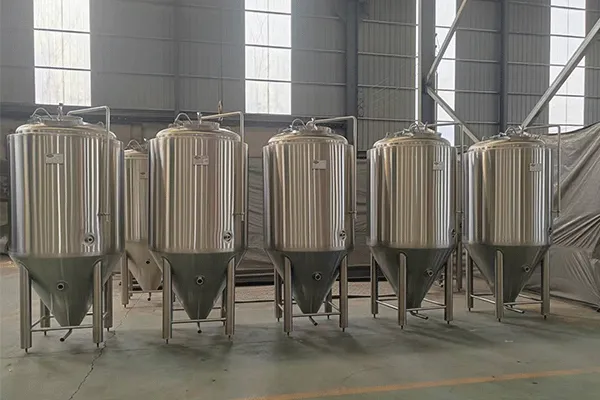
Bad fermentation can turn a great recipe into flat, sour, or inconsistent beer. Worse, one weak tank can slow production and waste raw materials. The right beer fermentation equipment helps you protect flavor, control risk, and build a smoother path from first batch to commercial growth.
Beer fermentation equipment is the vessel and supporting system used to ferment beer after the wort is cooled and yeast is added. It may include a fermenter, airlock, temperature control, valves, fittings, cleaning tools, and transfer equipment. For business buyers, the best choice depends on batch size, hygiene needs, expansion plans, and production goals.
План статьи
- What Is Beer Fermentation Equipment and Why Does It Matter?
- How Does a Fermenter Affect Beer Quality?
- Stainless, Plastic, Glass, or Conical: Which Fermentation Vessel Should You Choose?
- What Equipment Do You Need Before You Pitch the Yeast?
- How Important Is Fermentation Temperature Control?
- How Do Cleaning and Sanitizing Protect Your Beer?
- Homebrew vs Brewery: When Should You Upgrade?
- How Do Kegging, Bottling, and Transfer Tools Fit the Workflow?
- What Should Commercial Buyers Check Before Ordering a Brewing System?
- How Can a Custom Manufacturer Support Better Beer and Long-Term Growth?
- FAQs About Beer Fermentation Equipment
What Is Beer Fermentation Equipment and Why Does It Matter?
Beer fermentation equipment includes the tanks, vessels, valves, cooling parts, measuring tools, and cleaning items that help wort become beer. After the kettle stage, cooled wort enters a controlled vessel. Yeast then begins to ferment sugars into alcohol, flavor, and carbon dioxide. This is where much of the final character is formed.
For a small brewer, the setup may be simple. It may include a 5-gallon jug, a brew bucket, an airlock, sanitizer, and a hydrometer. For a brewpub or микропивоварня, the setup becomes more serious. You may need sanitary tanks, a chiller, glycol cooling, pressure-rated vessels, a rack system, and reliable transfer lines.
As a professional brewery and beverage equipment manufacturing plant, we see one clear truth: good recipes need good process control. The best malt and hops cannot fix poor hygiene, unstable temperature, or unsafe tank design. Reliable fermentation equipment helps protect every batch, whether you make beer or wine, cider, kombucha, cold brew coffee, or other fermented drinks.
How Does a Fermenter Affect Beer Quality?
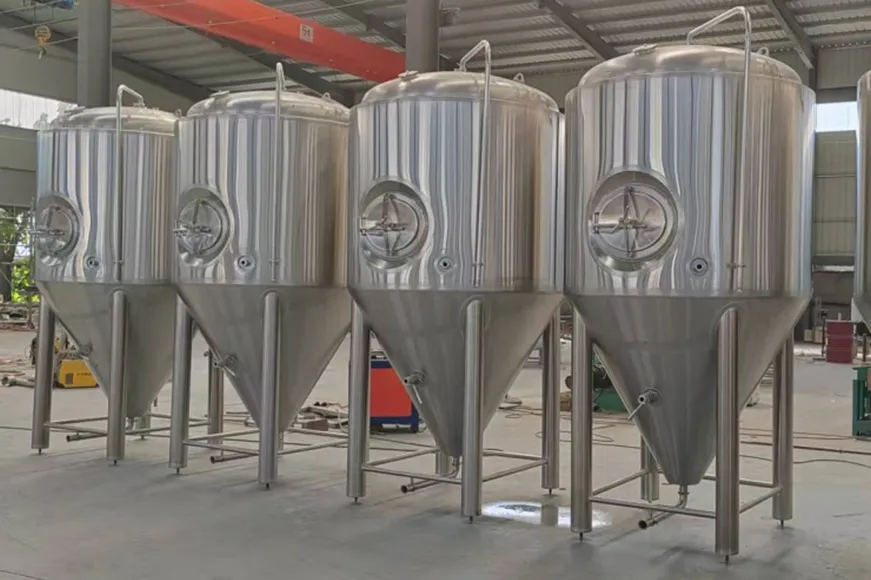
A fermenter is more than a container. It shapes the working environment for yeast. The size, material, seal, pressure rating, cooling design, and drain structure all affect consistency. If the vessel is too small, there may not be enough headspace for kräusen. If the seal is poor, oxygen and contaminant risk can rise.
A good vessel lets the brewer monitor fermentation, take samples, remove trub, and transfer wort or finished beer with less waste. In a commercial line, the tank should also support stable cleaning, safe operation, and easy maintenance. Small details matter. A smooth inner wall, sanitary fitting, and good valve design can reduce cleaning time and lower risk.
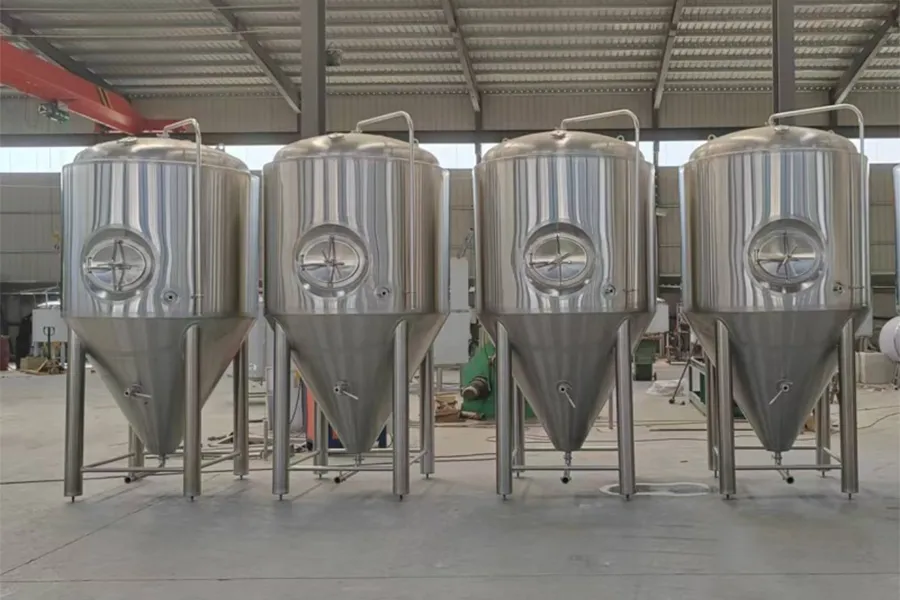
For business buyers, the question is not only “Can this tank hold beer?” The real question is, “Can this tank help us repeat the same beer every week?” That is why many breweries choose a conical fermenter for yeast collection, sediment removal, and easier batch management.
Stainless, Plastic, Glass, or Conical: Which Fermentation Vessel Should You Choose?
Many homebrewers begin with plastic buckets because they are low cost and easy to move. A plastic fermenter made from food grade plastic can work for early learning. Some people also use a carboy, glass carboys, a fermonster, or a simple airtight jug. These options are common in home beer projects and small trial batches.
However, plastic can scratch, hold odor, and become harder to thoroughly clean over time. Glass is clear, but it can break. A stainless vessel costs more at first, yet it offers stronger hygiene, longer service life, and better professional appearance. For a business, it is usually the smarter long-term choice.
Here is a simple comparison:
| Vessel Type | Идеально подходит для | Основное преимущество | Main Limit |
|---|---|---|---|
| Plastic bucket | Starter homebrewing | Low cost | Scratches and odor risk |
| Glass vessel | Небольшая пробная партия | Easy to see inside | Heavy and breakable |
| Stainless tank | Brewpubs and breweries | Durable and sanitary | Higher initial cost |
| Conical tank | Professional production | Yeast and sediment control | Needs more planning |
If you plan larger batches, retail sales, or repeated production, stainless tanks are the better path. They support clean and sanitize routines, cooling jackets, pressure options, and professional layout design.
What Equipment Do You Need Before You Pitch the Yeast?
Before you pitch the yeast, you need a clean vessel, cooled wort, and basic control tools. In small setups, brewing supplies may include a thermometer, siphon, auto-siphon, hose, airlock, bottling bucket, wand, sanitizer, and hydrometer. Some brewers also use a refractometer to check sugar levels before or during the process.
The brewing process usually follows this flow:
Malt preparation → Mash → Boil → Chill → Transfer → Yeast → Ferment → Package
The mash stage may happen in a mash tun or an all-in-one unit. After boiling, the chiller helps lower temperature before yeast goes in. This step is important because high temperatures can hurt yeast and create off-flavors. For small batches, an ice bath can help. For commercial use, plate chillers or glycol systems are more stable.
A simple startup checklist looks like this:
- Vessel is cleaned and sanitized
- Wort is cooled to the right range
- Yeast is healthy and ready
- Airlock or pressure system is installed
- Sampling tools are clean
- Records are prepared for gravity, time, and temperature
This is basic, but it saves batches.
How Important Is Fermentation Temperature Control?
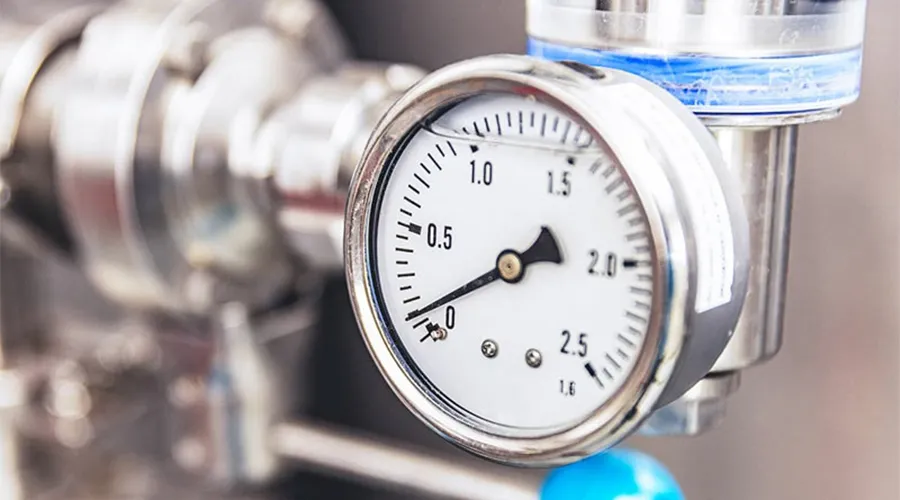
Fermentation temperature can decide whether beer tastes clean, fruity, spicy, harsh, or solvent-like. Yeast works best in a proper range. Too cold, and it may slow down. Too hot, and it may create unwanted flavors. This is why temperature control is one of the most valuable upgrades in beer making.
For beginners, a cool room may be enough. For more control, a temperature controller can manage a fridge, heating pad, or cooling loop. In commercial scale production, jacketed tanks and glycol cooling help keep each batch stable. This is especially important for craft breweries, brewpubs, cideries, kombucha makers, and beverage startups that need repeatable quality.
Think of temperature like steering. The recipe gives the direction, but control keeps the product on the road. Without it, every batch can drift.
How Do Cleaning and Sanitizing Protect Your Beer?
Clean equipment removes dirt, sugar, yeast residue, and mineral buildup. Sanitizing reduces microbes that can spoil flavor. These are different jobs, and both matter. First clean. Then sanitize. Do not skip the first step.
Common cleaning risks include old hose sections, scratched plastic, dirty valve seats, and tools stored wet. A tiny amount of soil can hide bacteria. A small contaminant can damage a full batch. For a microbrewery, that means lost raw materials, lost time, and possible damage to brand trust.
A professional brewery layout should make cleaning easy. Tanks need smooth welds, proper drains, CIP options, safe manways, and accessible parts. We design stainless steel brewing systems with hygiene in mind because after-sales problems often begin with poor cleaning access. Easy cleaning is not a luxury. It is production insurance.
Homebrew vs Brewery: When Should You Upgrade?
Homebrew equipment is great for learning. It lets you test recipes, understand yeast behavior, and build confidence. Many skilled brewers start in a kitchen or garage with home brewing supplies and simple beer making supplies. That stage is useful because it teaches the basics.
But business production is different. Once you sell to customers, serve in a taproom, or supply a distributor, you need stronger control. A home brewery setup cannot always meet the needs of volume, safety, cleaning, and repeatability. At that point, the upgrade is not about looking bigger. It is about lowering risk.
You may be ready to upgrade when:
- You need more stable batch quality
- You want to reduce manual labor
- You plan to expand capacity
- You need sanitary stainless equipment
- You want better cooling and transfer control
- You are preparing an investment or engineering plan
A smart upgrade does not always mean buying the largest system. It means choosing the right size, layout, and growth path.
How Do Kegging, Bottling, and Transfer Tools Fit the Workflow?
After fermentation, beer must move safely to the next step. That may be kegging, bottling, conditioning, filtration, or serving. Poor transfer can add oxygen, disturb sediment, or cause loss. Good transfer tools help protect aroma and clarity.
For small batches, a siphon, auto-siphon, hose, bottling bucket, and corn sugar may be enough for bottle conditioning. For a brewpub, kegging is often faster and easier. Kegs support draft service, stable storage, and cleaner operations. Some brewers also add dry hops to your beer during or after active fermentation, so closed transfer and oxygen control become more important.
A simple packaging comparison:
| Packaging Method | Good For | Key Concern |
|---|---|---|
| Bottling | Retail samples, small batches | Oxygen and consistency |
| Kegging | Taprooms, brewpubs | Cleaning and pressure control |
| Canning | Wider distribution | Higher equipment cost |
| Bright tank | Commercial service | Tank pressure and clarity |
For buyers planning a full production line, packaging should be discussed early. The fermentation area, cold room, and serving plan should work together.
What Should Commercial Buyers Check Before Ordering a Brewing System?
Before ordering a система заваривания, buyers should look beyond tank volume. A good system must fit the site, recipe range, labor level, power supply, water quality, and business plan. A brewmaster may focus on flavor, while investors may focus on cost, output, and payback. Both views matter.
Key points to check include:
| Checkpoint | Почему это важно |
|---|---|
| Batch size | Matches sales plan and tank rotation |
| Tank quantity | Prevents production bottlenecks |
| Cooling capacity | Protects yeast and flavor |
| Cleaning design | Reduces labor and contamination risk |
| Layout | Improves workflow and safety |
| Expansion space | Supports future growth |
| Installation support | Reduces project delay |
| Spare parts | Supports long-term operation |
Engineering contractors and project investors should also ask for drawings, utility requirements, lead time, and after-sales support. Commercial buyers need more than equipment. They need a practical plan.
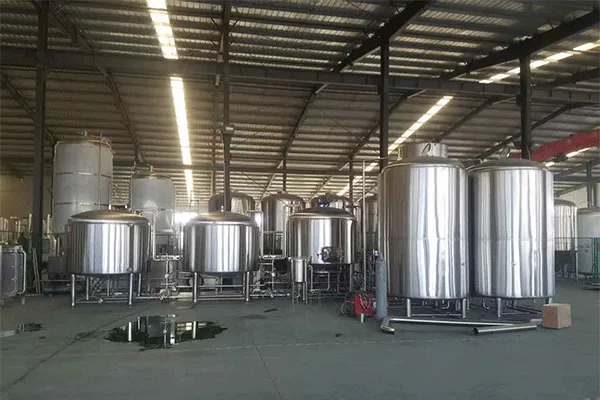
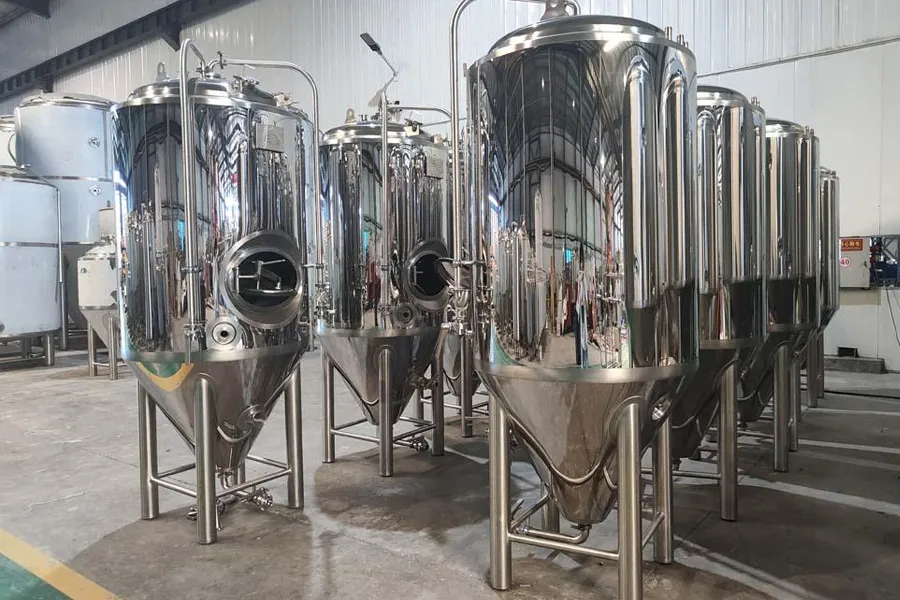
As a manufacturing plant, we provide customized stainless steel brewing systems, fermentation tanks, brewhouse systems, and turnkey brewery solutions for global B2B customers. Our goal is to help each buyer choose equipment that fits real production, not just a catalog picture.
How Can a Custom Manufacturer Support Better Beer and Long-Term Growth?
A custom manufacturer helps connect the recipe, building, budget, and future expansion. This is valuable for craft breweries, brewpubs, taprooms, commercial breweries, kombucha producers, cideries, wineries, distilleries, cold brew coffee producers, and beverage startups. Each business has different needs.
For example, a taproom may need a compact layout and fast serving flow. A regional brewery may need more tanks and stronger automation. A distillery may need special process equipment. A cold brew producer may care more about extraction, holding tanks, and cleaning. One standard package cannot serve all of them well.
Our role is to help buyers think through the full system:
- Brewhouse size and heating method
- Fermentation tank quantity and size
- Cooling system capacity
- Piping and valve layout
- Platform and working access
- Cleaning and drainage
- Installation and training
- Long-term spare parts and service
This is where desire becomes action. If you want better beer, fewer delays, and a cleaner growth path, talk to a manufacturer before you lock your floor plan. Good planning costs less than fixing mistakes later.
Mini Case Study: From Small Batch Testing to Brewpub Production
A beverage startup may begin with a 5-gallon trial batch. The founder tests recipes, learns yeast behavior, and compares aroma changes. At that stage, simple tools can work. But once customers like the product, demand grows fast.
The next step may be a compact brewhouse, several fermentation tanks, a chiller, sanitary transfer lines, and kegging equipment. With the right plan, the startup can move from test batches to taproom service while keeping flavor stable. With the wrong plan, the team may face delays, poor cooling, crowded workflow, and hard cleaning.
Here is a simple growth path:
Recipe Testing
    ↓
Pilot Batch
    ↓
Small Taproom System
    ↓
Expanded Tank Farm
    ↓
Distribution or Multi-Site Growth
The best system is not always the biggest one. It is the one that supports the next clear step.
FAQs About Beer Fermentation Equipment
What is beer fermentation equipment?
Beer fermentation equipment is the set of vessels and tools used after wort is cooled and yeast is added. It may include a fermenter, airlock, cooling system, valves, measuring tools, transfer lines, and cleaning supplies. In commercial production, it often includes stainless steel tanks with cooling jackets and sanitary fittings.
Is stainless steel better than plastic for fermenting beer?
For business use, yes. Stainless steel is stronger, easier to sanitize, and better for long-term use. Plastic can work for beginners, but it can scratch and hold odors. A serious brewer usually upgrades to stainless when quality, cleaning, and repeat production become important.
What size fermenter should I choose?
Choose a size based on your batch volume, headspace needs, sales plan, and future growth. Small home setups may use 5-gallon vessels. Brewpubs and commercial breweries should calculate tank size, tank quantity, and rotation schedule before buying.
Do I need a hydrometer or refractometer?
Yes, at least one is useful. A hydrometer helps measure sugar and estimate abv. A refractometer can also help track sugar levels, especially before fermentation. These tools help you understand whether the batch is progressing as planned.
Can I make beer without expensive equipment?
Yes, you can start simple. You do not need advanced tanks for your first learning batch. But if you want stable quality, higher volume, and lower risk, professional equipment becomes important. This is especially true when selling beer to customers.
When should I contact a brewery equipment manufacturer?
Contact a manufacturer when you plan to expand, open a taproom, build a microbrewery, or design a production line. Early discussion helps you avoid layout errors, undersized cooling, poor tank selection, and future bottlenecks.
Conclusion: Choose Equipment That Helps You Brew with Confidence
Beer quality does not come from one tool alone. It comes from a complete process: good recipe, clean operation, stable cooling, smart tank design, and careful handling. The right fermentation setup gives yeast a better home and gives your business a better path.
If you are planning a craft brewery, brewpub, beverage startup, or turnkey production project, choose equipment that fits your real goals. As a professional brewery and beverage equipment manufacturing plant, we help global B2B customers design customized stainless steel systems, fermentation tanks, and complete turnkey brewery solutions for stable production and long-term growth.
Better planning leads to better beer. And better beer builds better business.