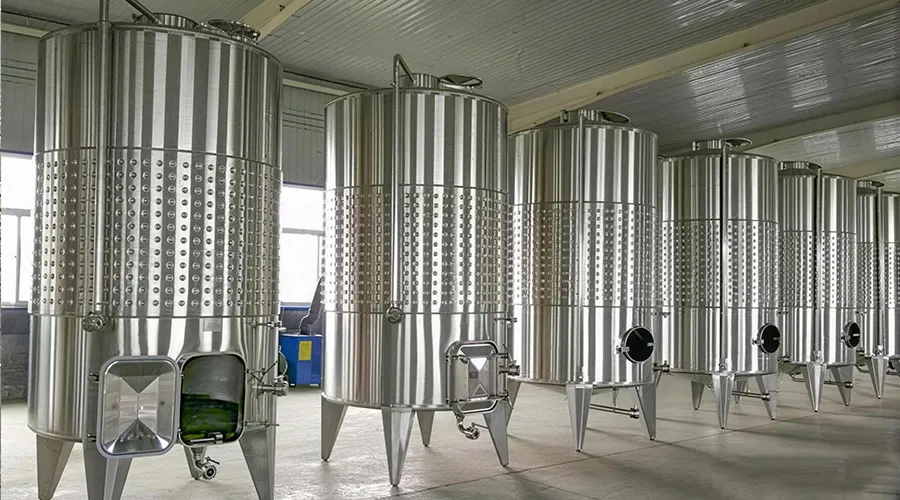
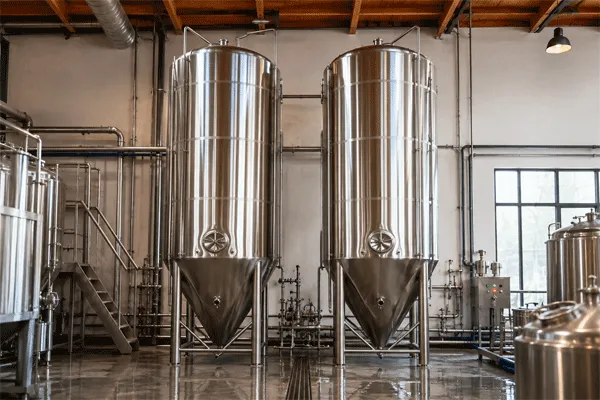
Wine Making Equipment for Commercial Wineries

From crushing and pressing to fermentation, aging, blending and bottling — complete winery systems engineered for premium wine quality at commercial scale.

  • Full Production Workflow – Grape crushing, fermentation, oxygen-managed aging, blending and CIP sanitation in one integrated system.
  • Precision Temperature Control – White wine (15–18°C) and red wine (20–25°C) fermentation with ±0.5°C accuracy for consistent flavor profiles.
  • Long-Term Aging Capability – SUS304/316L tanks designed for 3–24 month aging cycles with micro-oxygenation support.
  • Turnkey Solutions – Custom capacity from 500L to 5,000L, full installation, technical training and 10-year structural warranty.


Specialized Expertise in Wine Fermentation Technology

Wine-Specific Design Features

Unlike beer or cider equipment, ZPET’s wine systems address the unique challenges of grape fermentation, including precise temperature control for different wine styles (15-18°C for white wines, 20-25°C for red wines), oxygen management during fermentation and aging, and extended aging periods (3-24 months). Our systems feature smooth interior surfaces to prevent oxidation, multi-zone cooling for temperature gradients, and optional oak barrel integration for traditional aging.

Integración completa del flujo de trabajo de producción

  • Crushing & Pressing System (optional): Grape crushers and pneumatic presses for efficient juice extraction. Achieves 65-75% juice yield for white wines and complete maceration for red wines.
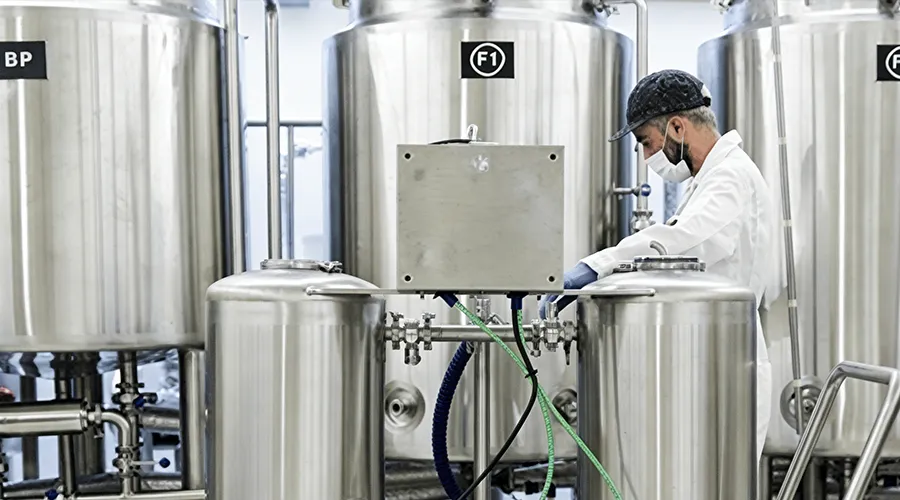
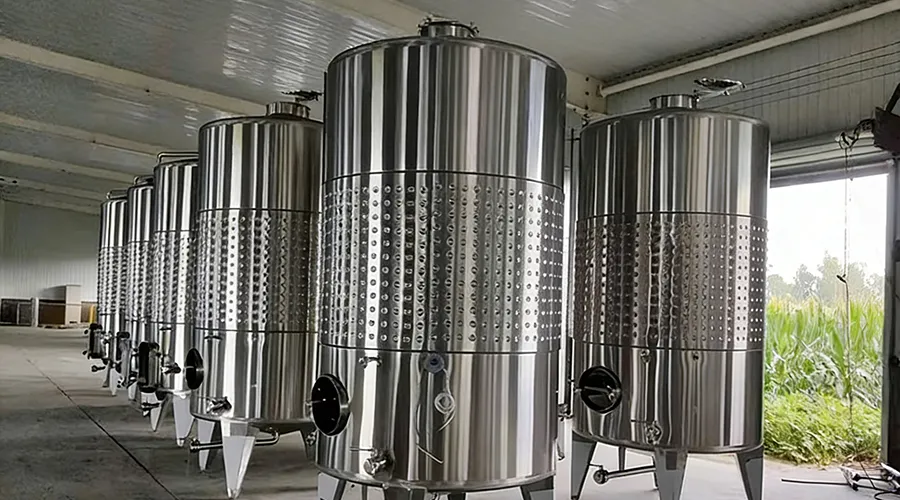
  • Primary Fermentation Tanks: Conical or cylindrical vessels with multi-zone glycol jackets for precise temperature control during 7-21 day fermentation. Insulated walls maintain stable temperatures and reduce energy costs by 30-40%.
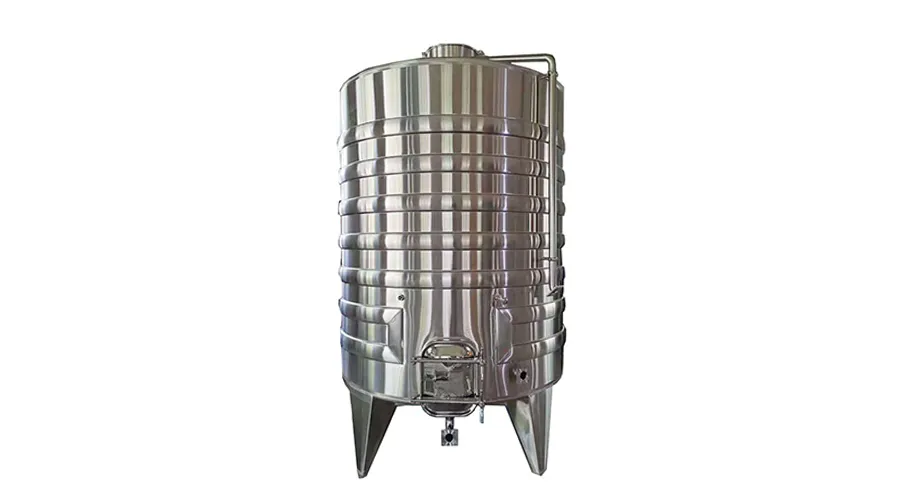
  • Secondary Fermentation & Aging Tanks: Dedicated vessels for malolactic fermentation, clarification, and aging (3-24 months). Optional micro-oxygenation systems for controlled oxygen exposure during aging.
  • Sistema de limpieza CIP: Automated cleaning with wine-specific sanitizers, designed for the acidic environment of wine production (pH 3.0-4.0). Reduces cleaning time from 3-4 hours (manual) to 60-90 minutes (automated).

Scalability for Growing Wineries

ZPET’s modular design allows wineries to start with a core system (2-4 fermentation tanks) and expand capacity by adding tanks, aging vessels, or bottling lines as demand grows. Our systems support production scaling from 2,000 bottles/year (boutique wineries) to 100,000+ bottles/year (commercial operations) without replacing core equipment

Choose Your Wine Making System Capacity

Introducción: ZPET offers wine making systems in four capacity ranges (500L, 1000L, 2000L, 3000L-5000L) designed for different production scales—from boutique wineries to commercial operations

500L Wine Making System

500L Wine Making System

Boutique-Scale System for Craft Wineries

  • Capacidad: 500 Liters (132 gallons per batch / ~665 bottles)
  • Ideal para: Boutique wineries, estate vineyards, wine education facilities, experimental batches
  • Ventaja clave: Low initial investment ($40,000-$70,000) with professional-grade fermentation control—ideal for small-batch premium wines and testing new varietals
  • Producción anual: 2,000-5,000 bottles (3-8 batches per year)
  • Configuración: 2-4 fermentation/aging tanks | Electric or steam heating | Semi-automatic control
1000L Wine Making System​

1000L Wine Making System

Mid-Scale System for Growing Wineries

  • Capacidad: 1000 Liters (264 gallons per batch / ~1,330 bottles)
  • Ideal para: Growing craft wineries, regional wine brands, multi-varietal production
  • Ventaja clave: Optimal balance between production capacity and operational flexibility—supports 4-6 wine varietals simultaneously (Chardonnay, Cabernet, Pinot Noir, blends)
  • Producción anual: 5,000-15,000 bottles (4-12 batches per year)
  • Configuración: 4-6 fermentation/aging tanks | Steam heating (recommended) | PLC control (optional)
2000L Wine Making System​

2000L Wine Making System

High-Capacity System for Commercial Wineries

  • Capacidad: 2000 Liters (528 gallons per batch / ~2,660 bottles)
  • Ideal para: Commercial wineries, regional distribution, restaurant/retail supply, export markets
  • Ventaja clave: Commercial-scale production with full automation—supports 6-8 fermentation tanks for continuous production and diverse wine portfolio
  • Producción anual: 15,000-40,000 bottles (6-15 batches per year)
  • Configuración: 6-8 fermentation/aging tanks | Steam heating | Full PLC automation with recipe management
3000L-5000L Wine Making System

3000L-5000L Wine Making System

Industrial-Scale System for Large Commercial Wineries

  • Capacidad: 3000-5000 Liters (792-1,321 gallons per batch / ~4,000-6,650 bottles)
  • Ideal para: Large commercial wineries, national distribution, contract wine production, international export
  • Ventaja clave: Maximum production capacity—supports 50,000-100,000+ bottles per year with 8-12 fermentation tanks, ideal for high-volume commercial distribution
  • Producción anual: 50,000-100,000+ bottles (10-20 batches per year)
  • Configuración: 8-12 fermentation/aging tanks | Steam heating | Full PLC automation with remote monitoring

Wine Making System Comparison Matrix

Capacidad

Producción por lote

Producción anual

Ideal para

Configuración típica

500 l

132 gal / ~665 bottles

2,000-5,000 bottles

Boutique wineries, estate vineyards

2-4 tanques

1000L

264 gal / ~1,330 bottles

5,000-15,000 bottles

Growing craft wineries, regional brands

4-6 tanques

2000L

528 gal / ~2,660 bottles

15,000-40,000 bottles

Commercial wineries, regional distribution

6-8 tanques

3000L-5000L

792-1,321 gal / ~4,000-6,650 bottles

50,000-100,000+ bottles

Large commercial wineries, national distribution

8-12 tanks

Complete Wine Production Process

Paso 1

Grape Selection & Crushing (2-4 hours)

•Harvest grapes at optimal ripeness (Brix 20-26° depending on wine style)
•Sort and destem grapes using crushing system
•For white wines: press immediately; for red wines: macerate with skins

Paso 2

Juice Extraction (1-3 hours)

•Press grapes using pneumatic press (white wines)
•Achieve 65-75% juice yield (1,000 kg grapes = 650-750L juice)
•Optional: Adjust sugar content (chaptalization) or acidity

Paso 3

Primary Fermentation (7-21 days)

•Transfer juice/must to fermentation tanks
•Inoculate with wine yeast (Saccharomyces cerevisiae strains)
•Monitor temperature: 15-18°C (white wines), 20-25°C (red wines)
•Fermentation complete when specific gravity stabilizes (typically 0.990-0.995)

Paso 4

Secondary Fermentation & Aging (3-24 months)

•Transfer wine to aging tanks
•Optional: Malolactic fermentation (converts malic acid to lactic acid for softer mouthfeel)
•Age wine: 3-12 months (white wines), 12-24 months (red wines)
•Optional: Oak barrel aging or oak chip infusion for complexity

Paso 5

Clarification & Filtration

•Remove sediment and lees using racking or filtration
•Optional: Fining agents (bentonite, egg whites) for clarity
•Cold stabilization to prevent tartrate crystals

Paso 6

Bottling & Packaging

•Transfer to bottling tanks
•Bottle with appropriate closure (cork, screw cap, synthetic cork)
•Label and package for distribution

ZPET Wine Equipment in Commercial Production

Nuestro equipamiento está presente actualmente en cervecerías de éxito en más de 40 países. Estos proyectos son una prueba de nuestra capacidad para adaptarnos a los más diversos requisitos, desde edificios históricos europeos hasta modernas cervecerías estadounidenses.

Fermentador 3
¿Qué presión debe soportar un tanque de fermentación de cerveza? Guía cervecera para la fermentación bajo presión
Elegir una clasificación de presión incorrecta para el tanque de fermentación puede provocar daños en el equipo, una operación insegura,...
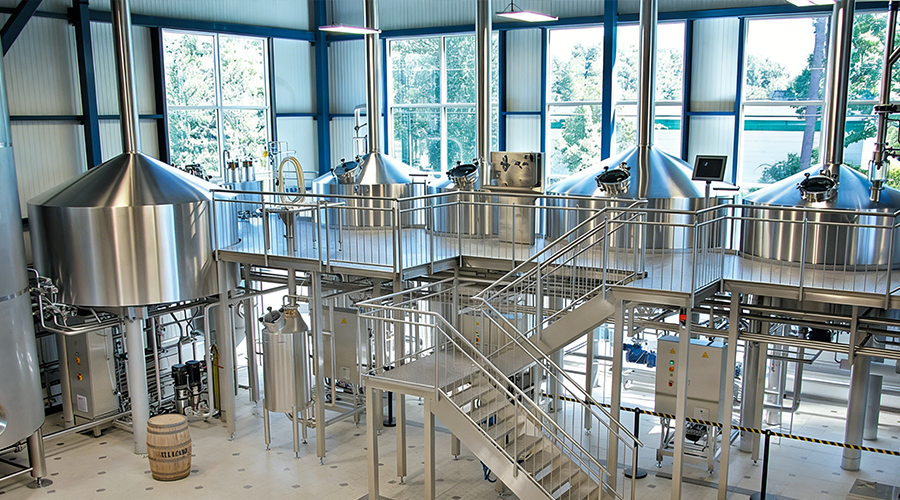
Diseño avanzado de sala de cocción
¿Cuál es la mejor sala de cocción para una cervecería pequeña? Guía de compra orientada a la venta de cerveza
Elegir una sala de cocción basándose únicamente en el tamaño de los tanques puede dejar a una pequeña cervecería con demasiada cerveza y muy poca...
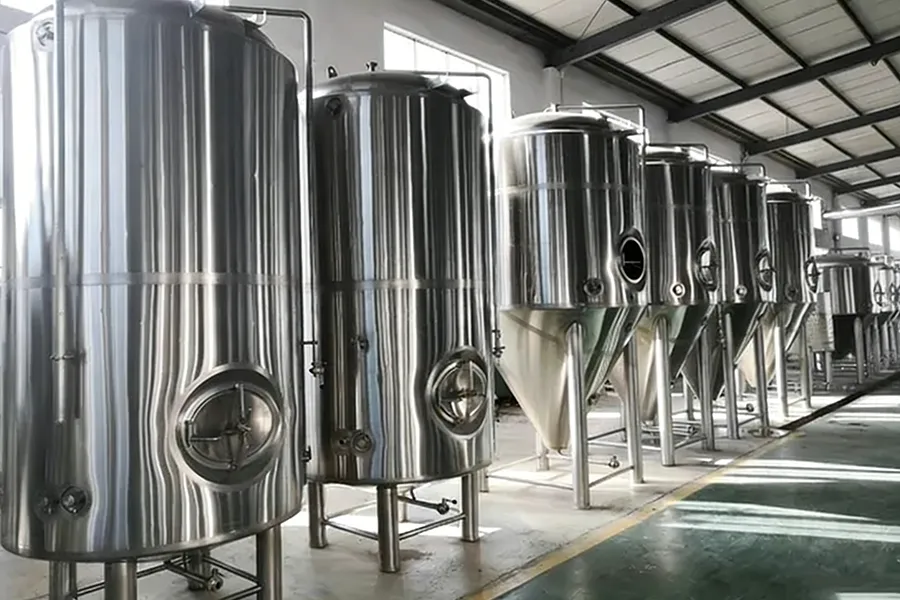
Depósitos Brite para uso comercial
¿Para qué se utiliza un tanque de cerveza brillante en la elaboración de cerveza? Guía completa del fermentador al barril
Su fermentador ha terminado su trabajo, pero la cerveza no está lista para los clientes. Carbonatación, clarificación,...
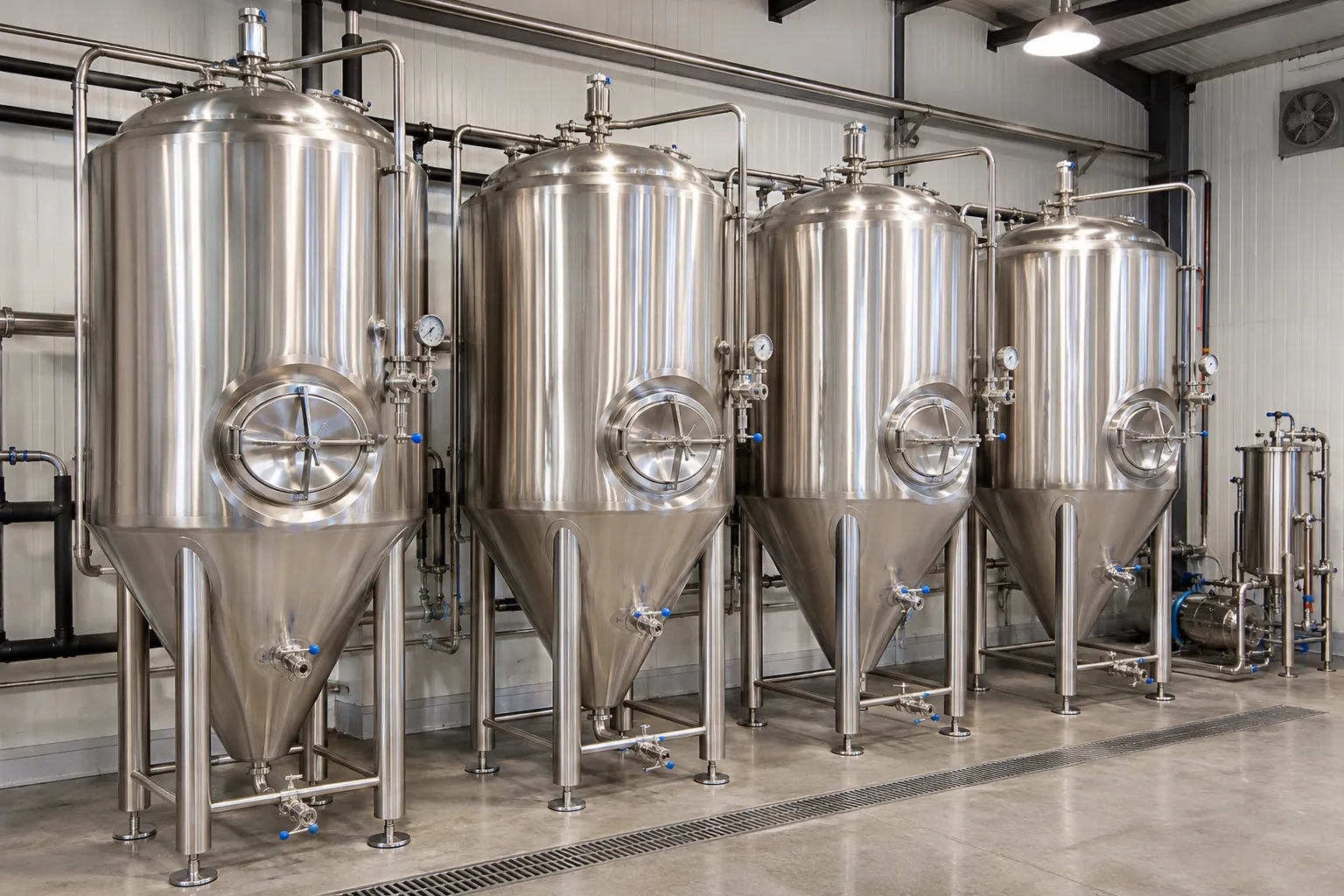
Tanque de guarda 1
¿Necesitan las cervecerías pequeñas un tanque brite? Flujo de trabajo con unitank frente a tanque brite para la elaboración de cerveza
Una microcervecería puede elaborar buena cerveza sin disponer de un tanque brite independiente, pero utilizar cada fermentador para la fermentación,...
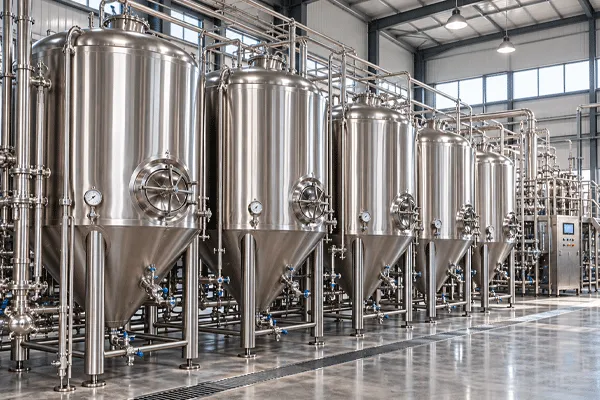
Tanques de fermentación-1
¿Por qué los fermentadores de cerveza tienen fondo cónico? Explicación del diseño del fermentador cónico
Los tanques de fondo plano pueden almacenar cerveza, pero dificultan la separación limpia de la levadura, el turbio (trub) y los sedimentos...
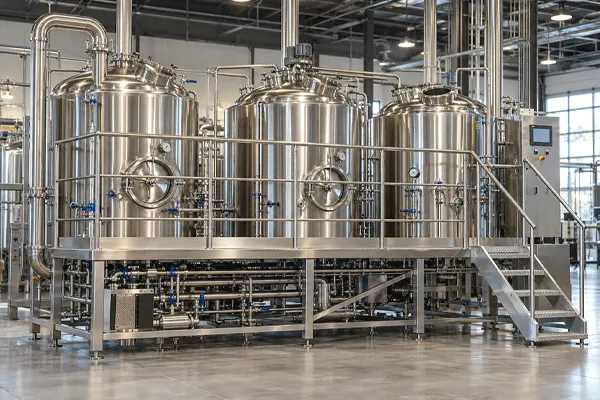
2-recipientes-2
2-Vessel vs 3-Vessel Brewhouse Throughput: Which Vessel Brewing System Fits Your Brew Schedule?
Una sala de cocción puede parecer lo bastante grande sobre el papel y, aun así, ralentizar la producción cuando el macerado, la filtración, el hervido y el whirlpool...
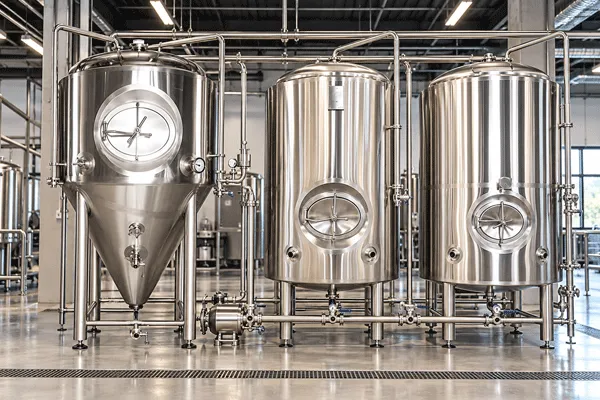
Cervecería-de-10-BBL-3
¿Cuántos tanques de fermentación necesita una cervecería de 10 BBL? Guía de fermentadores y programa de producción de 10 BBL
Una sala de cocción de 10 BBL puede producir abundante mosto, pero la producción se detiene rápidamente cuando todos los fermentadores están llenos...
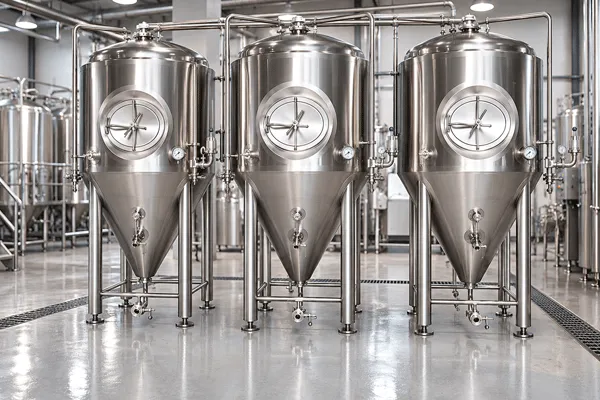
Cervecería-de-10-BBL-1
What Fermentation Tank Size Is Best for a 10 BBL Brewery? Fermenter & Brew Schedule Ultimate Guide
Comprar una sala de cocción de 10 BBL sin planificar suficiente capacidad de fermentación puede generar un cuello de botella costoso....
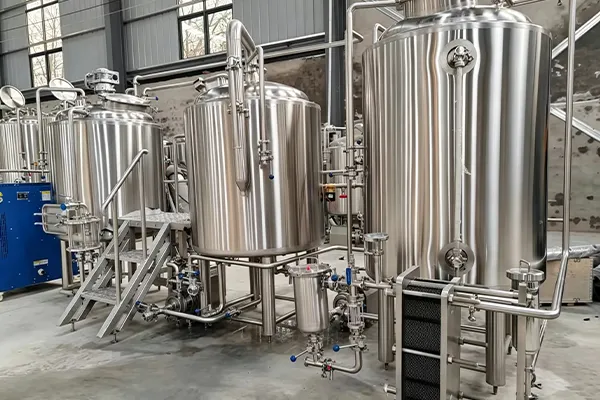
Sistema de elaboración de cerveza de 3 BBL para la cervecería 3006 de Filipinas
Cervecería de 3 BBL vs. 5 BBL vs. 10 BBL: tamaño de la sala de cocción, capacidad de los fermentadores y planificación de la producción
Elegir el tamaño de cervecería equivocado puede generar problemas mucho antes de que la primera cerveza llegue a un cliente. Un...
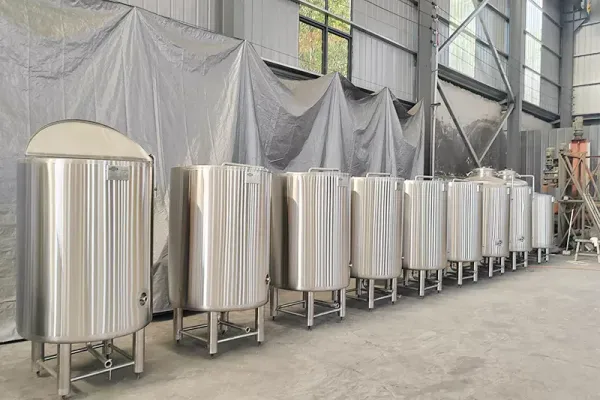
Equipo para la elaboración de kombucha Macedonia de 500 litros
What Is a Brite Tank Used For? A Complete Guide to Bright Beer Tanks in Brewing
Muchas cervecerías invierten en equipos de fermentación, pero pasan por alto lo que sucede después de esta etapa. Sin...
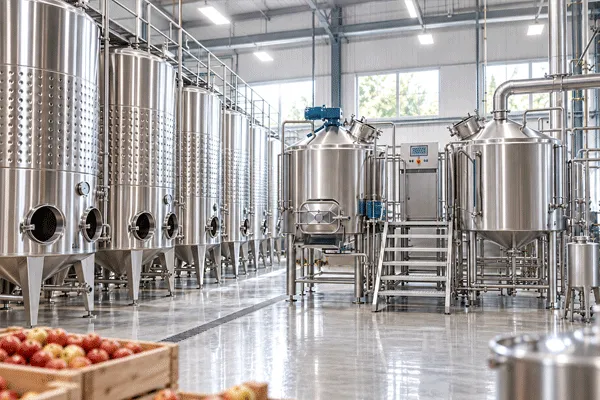
Equipo-comercial-de-elaboración-de-sidra-3
¿Qué equipo de cervecería se necesita para un brewpub? Guía completa y lista de verificación de equipos
Abrir un brewpub sin el equipo adecuado puede provocar una cerveza inconsistente, desperdicio de ingredientes y...
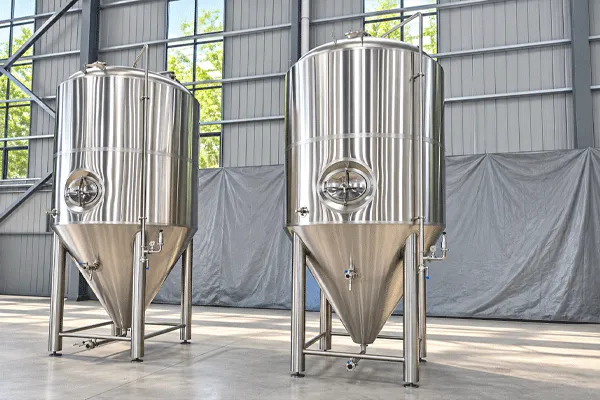
tanque-de-fermentación-1
¿Qué tamaño de tanque de fermentación necesito? Elija el fermentador de cervecería adecuado para la fermentación de vino
Elegir el tanque de fermentación equivocado puede provocar desperdicio de ingredientes, desbordamientos, retrasos en la producción y...

Preguntas frecuentes

ZPET provides expert technical knowledge and practical guidance to help wineries select the right fermentation and aging equipment for their production needs.

Can the equipment produce other fermented beverages (mead, sake)?

Yes, with minor modifications. The same fermentation tanks can produce mead (honey wine), sake (rice wine), or fruit wines. Dedicated tanks recommended to prevent cross-contamination

Primary fermentation: 7-21 days (depending on temperature and yeast strain). Aging: 3-12 months (white wines), 12-24 months (red wines). Total cycle: 3-24 months.

Blend grape lots from different vineyards or harvest dates to achieve consistent Brix and acidity. Adjust sugar (chaptalization) or acidity (tartaric acid addition) as needed. Maintain detailed records for each vintage

Requirements vary by country. Common certifications: TTB permit (USA), health department approval, organic certification (if using organic grapes), and alcohol licensing.

Start Your Commercial Wine Production with ZPET

Ready to scale your winery? ZPET’s commercial wine making equipment provides the precision, reliability, and scalability you need to compete in the premium wine market.Get Started:


1.Consulta gratuita: Hable sobre sus objetivos de producción y reciba recomendaciones de capacidad

2.Propuesta personalizada: Especificaciones detalladas del sistema, diseño de la distribución y precios

3.Instalación llave en mano: Fabricación, envío, instalación y capacitación de operadores

Obtenga presupuesto / asistencia ahora

Nos pondremos en contacto con usted en el plazo de 1 día laborable, por favor, preste atención al correo electrónico con el sufijo “@cnbeerequipment.com”. 

*Respetamos su intimidad. Toda la información enviada es estrictamente confidencial.

Sus datos sólo se utilizarán para responder a su consulta. Nunca enviamos correos electrónicos no solicitados ni mensajes promocionales.