Дэвид Чжан | Основатель и генеральный директор компании ZPET (Shandong ZhongPi Machinery Equipment Co., Ltd.) | Опубликовано 7 августа 2026 года
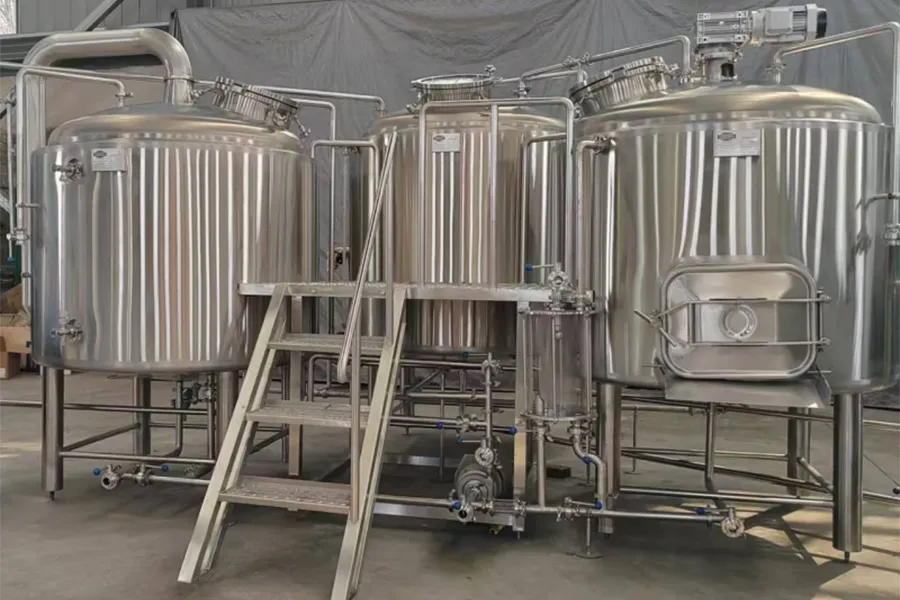
В 3-емкостной пивоваренной установке вихревая ванна (или фильтрационный чан) отделена от емкостей, с которыми она совместно используется в 2-емкостной установке, что сокращает продолжительность цикла от окончания одной варки до начала следующей с примерно шести часов до менее чем четырех. Это позволяет выполнять два–три цикла варки за день вместо одного. Четвертая емкость дает возможность выполнить третий или четвертый цикл.
Для начала давайте определимся с тем, что означает термин “судно” — поставщики не приходят к единому мнению
Именно в этом и заключается основная ошибка при сравнении предложений. Некоторые производители включают резервуары для горячего и холодного сусла в общее количество емкостей; другие учитывают только емкости, в которых находится затор или сусло. Предложение на “систему из 4 емкостей” от одного завода может быть функционально идентично “системе из 2 емкостей плюс HLT и CLT” от другого, при этом их общая стоимость может значительно различаться.
Прежде чем приступать к сравнению, попросите каждого поставщика составить перечень емкостей с разбивкой по назначению. К технологическим емкостям относятся:
- Варочный чан— смешивает солодовую смесь с водой для замачивания и выдерживает её в течение периода переработки.
- Делать больше— служит для удержания слоя зерна и отделения сладкого сусла от отработанного зерна, как правило, с помощью граблей и подъемного дна.
- Чайник— доводит сусло до кипения и добавляет хмель.
- Whirlpool— отделяет осадок и «горячий осадок», а также выдерживает хмель после варки.
- Резервуар для горячего раствора / резервуар для холодного раствора— водопроводные сооружения, а не технологические резервуары. Они необходимы для любой конфигурации.
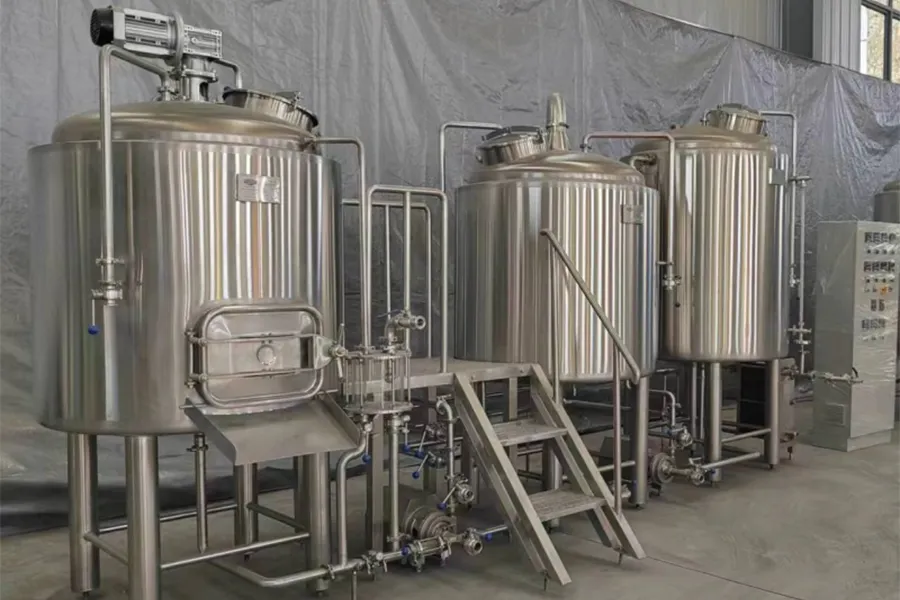
В пивоваренной установке с двумя чанами элементы 1 и 2 объединены в один чан для затирания и фильтрации, а элементы 3 и 4 — в один чан для варки и вихревой фильтрации. В пивоваренной установке с четырьмя чанами все четыре элемента остаются отдельными. В 3-емкостной варке одна из этих пар разделена, а другая остаётся объединенной, поэтому две системы, продаваемые как “3-емкостные”, могут работать по-разному:
- Заторный чан + варочный чан + вихревой чан.Обеспечивает раннее освобождение котла. Подходит для сортов пива с ярко выраженным хмелевым вкусом и длительной выдержкой в вихревой ванне.
- Заторный чан + фильтрационный чан + варочный чан с вихревой камерой.Обеспечивает стабильную эффективность фильтрации при использовании пшеничного, ржаного и смешанных солодовых смесей с высоким содержанием добавок. Подходит для пивоваренных заводов, где используются сложные солодовые затырки, а не интенсивные схемы хмелевания.
“Правильная” схема с тремя сосудами тоже не существует. Выбор подходящей схемы зависит от того, где находится «узкое место»: в котле или в слое зерна.
Сравнение конфигураций
В расчетах приняты следующие исходные данные: варочный цех объемом 1 200 л (около 10 баррелей) для производства эля стандартной плотности, с паровым нагревом, один квалифицированный пивовар и один помощник.
| Размер | 2-сосуд | 3-сосуд | 4-сосудистый |
| Технологические емкости | Чан для затирания и фильтрации; вихревой котёл | Чан для затирания и фильтрации + варочный котёл + вихревая ванна, или заторный чан + фильтрационный чан + варочный чан с вихревой камерой | Заторный чан; фильтрационный чан; варочный чан; вихревой чан |
| Цикл «нокаут за нокаутом» | 5,5–7 ч | 3,5–4,5 ч | 2–2,5 ч |
| Реальное количество поворотов за 10-часовую смену | 1 (2 с учетом дополнительного времени) | 2 или 3 при наличии дисциплинированного экипажа | 3–4 |
| Возможна параллельная работа | Нет; каждый судно ожидает, пока пройдет впереди идущее судно | Разминайте следующую порцию, пока предыдущая перемешивается в миксере | Пока проходит фильтрация предыдущей партии, разминайте следующую |
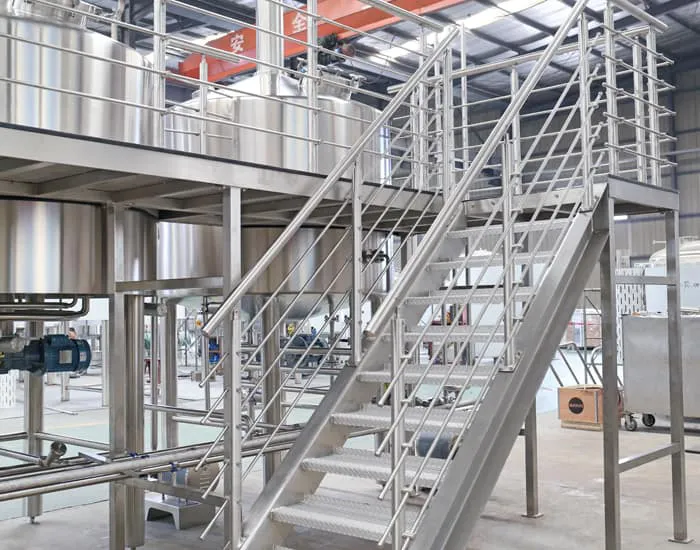
| Длина платформы с надстройкой по сравнению с конфигурацией с двумя судами | — | +1,2–1,5 м | +2,4–3,0 м |
| Площадь дополнительной платформы по сравнению с конфигурацией с двумя судами | — | +2,5–3,5 м² | +5–7 м² |
| Фильтрация с использованием пшеницы сорта >30% или дополнительных ингредиентов | Компромисс; геометрия гребня представляет собой компромисс между перемешиванием и сгребанием | Хорошо подходит при использовании отдельного фильтрационного чана; в остальных случаях — умеренно | Лучшее |
| Позднее добавление хмеля и выдержка в вихревой ванне | Захватить чайник; задержка цикла CIP чайника | Специализированный (в варианте «mash-lauter») | Специализированный |
| Пиковый спрос на пар | Самый низкий | То же, что и в случае с 2-сосудной системой; вихревой реактор не имеет рубашки для подачи тепла | Более высокая, если заторный чан имеет собственный нагрев |
| Экипаж во время поворота | 1 | 1–2 | 2 |
| Общий диапазон мощности | 400–2 000 л (прибл. 3,5–17 баррелей) | 1 000–3 500 л (прибл. 8,5–30 баррелей) | 2 000 л (около 17 баррелей) и более |
На самом деле вы покупаете количество рейсов в день, а не количество судов
Количество чанов не влияет на объем. Варочный цех из 4 чанов объемом 1 200 л производит ровно 1 200 л за цикл — столько же, сколько и варочный цех из 2 чанов. Дополнительные чаны обеспечивают перекрытие циклов, а перекрытие имеет значение только в том случае, если ограничивающим фактором является этап фильтрации или варки.
Рассчитаем годовую производительность этой установки объемом 1 200 л (около 10 баррелей) при четырех днях варки в неделю и 48 рабочих неделях:
| Настройки | Среднее количество поворотов в день | Оборотов в год | Годовой объем сусла (брутто) |
| 2-сосуд | 1.5 | 288 | около 2 880 баррелей |
| 3-сосуд | 2.5 | 480 | около 4 800 баррелей |
| 4-сосудистый | 3.5 | 672 | около 6 720 баррелей |
Если вычесть 6–8% на потери от варочного цеха до розлива, то объем готового пива, полученного на трёхчаночной колонне, составит около 4 450 баррелей. Для сравнения с рыночными показателями: Ассоциация пивоваров США классифицирует пивоварни по годовому объему производства в баррелях, причём микропивоварня объем производства пивоварни не превышает 15 000 баррелей (по определению Ассоциации пивоваров).
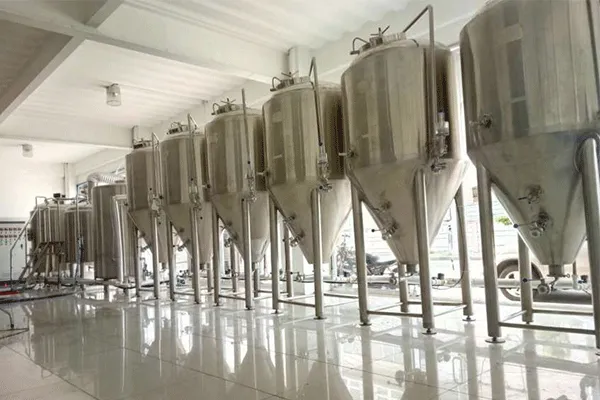
А вот что часто становится камнем преткновения при расширении производства: эти циклы бесполезны без резервуаров, в которые их можно поместить. Десять циклов в неделю при 14-дневном сроке брожения эля означают, что в погребе постоянно должно находиться оборудование, рассчитанное примерно на 20 партий объёма — скажем, десять ферментаторов объёмом 2 400 л на двойную партию, и это ещё до учёта свободного пространства для сухого хмелевания, один-два лагера с 28-дневным сроком брожения или резервную емкость на время ремонта. Покупка четвёртой емкости, когда погреб способен принять шесть партий в неделю, — это трата денег на «узкое место», которого у вас нет.
Во сколько вам обойдутся дополнительные трубопроводы в здании
Длина платформы — это заметные затраты. Менее заметные затраты:
- Высота потолка. Для заторного чана с гребневым приводом и вентиляционной трубой требуется свободная высота 4,5–5,0 м при объёме 1 200–2 000 л. Добавление дополнительных чанов не увеличивает это требование, но означает, что оно должно соблюдаться для всей линии, а не только для одного отсека.
- Количество трубопроводов и арматуры. Каждый дополнительный резервуар увеличивает количество перепускных линий, отводов для CIP и, как правило, добавляет ещё 6–10 санитарных соединений. Большее количество соединений означает увеличение объёма CIP, большее количество прокладок, подлежащих замене по графику, а также больше мест, где результат анализа мазка может оказаться положительным.
- Количество циклов CIP за один день варки. Четыре судна при трёх циклах — это двенадцать циклов мойки судов, в то время как в системе с двумя судами при одном цикле выполняется всего два цикла мойки. Расход каустика, горячей воды и трудозатраты растут пропорционально этому.
- Нагрузка оператора. Три смены в день на варочном цехе с четырьмя чанами — это работа для двух человек в течение десяти часов с перекрывающимися графиками. Пивоварни, которые закладывают в бюджет расходы на сталь, но не на второго пивовара, в итоге все равно вынуждены работать в две смены.
Когда четвёртое судно перестаёт окупаться
Если объем производства составляет менее 1 000 баррелей в год, то разумным решением будет установка с двумя варочными котлами. Достаточно одного цикла в день, четыре дня в неделю, а сэкономленные средства лучше потратить на ферментацию мощность или система на основе гликоля с реальным запасом мощности.
При объёме производства примерно от 1 000 до 4 500 баррелей в год обычно используется схема с тремя резервуарами. Такая схема позволяет удвоить количество циклов при незначительном расширении платформы и решает любую конкретную проблему — загрузку варочных котлов или глубину слоя зерна — в зависимости от того, какую пару резервуаров вы разделите.
При объёме производства примерно 4 500–5 000 баррелей в год и фиксированном размере партии четвёртый чан начинает окупать себя. Но сначала опробуйте альтернативный вариант, ведь он часто оказывается более выгодным: варочный цех с тремя чанами при удвоенном размере партии достигает той же годовой производительности, что и четырехчановый при исходном размере, при этом с половиной циклов CIP и на одного оператора меньше. Система из 3 чанов объемом 2 400 л (около 20 баррелей), работающая с производительностью 2,5 цикла в сутки, соответствует системе из 4 чанов объемом 1 200 л, работающей с производительностью 3,5 цикла, причем за меньшее количество часов в пивоваренный день.
Причина, по которой не стоит идти на такую сделку, — это гибкость ассортимента (SKU). Более крупные партии означают, что ваш самый небольшой сезонный сорт теперь занимает два ферментера, которые вы предпочли бы использовать для производства флагманского сорта, а медленно распродающийся сорт дольше пролежит в резервуаре. Пивоварни с 12 активными SKU и ассортиментом, ориентированным на бар, часто предпочитают более частую ротацию при меньшем размере партии, даже учитывая затраты на рабочую силу. Пивоварни с четырьмя основными брендами и объёмом дистрибуции почти всегда предпочитают более крупные партии.
Еще один случай, когда увеличение количества резервуаров действительно не может заменить увеличение объема: если высота помещений в вашем здании ограничивает диаметр резервуаров, а ваши ферментаторы уже заполнены до предела по площади, четвертый резервуар может оказаться единственным способом увеличить производительность без переезда. Это реальная ситуация, и решение в данном случае отличается от решения, связанного с пропускной способностью.
Варианты конфигураций варочных установок ZPET
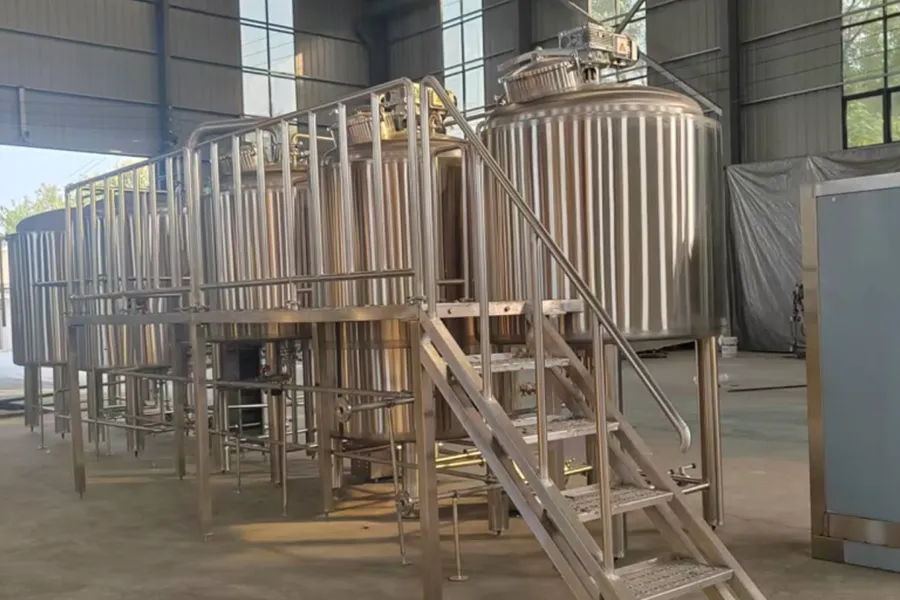
Сборки ZPET пивоваренные установки в конфигурациях от 2 до 5 сосудов, причем схема размещения определяется на этапе проектирования, а не выбирается из каталога.
| Артикул | Технические характеристики |
| Конфигурации | от 2 до 5 сосудов |
| Варианты отопления | Паровой, электрический, с прямым нагревом |
| Контактные материалы | SS304 / SS316L санитарного класса |
| Отделка интерьера | Зеркальная полировка с точностью 0,4 мкм |
| Сварка | Двусторонняя сварка аргоновой дугой методом TIG; лазерная резка с ЧПУ; автоматические сварочные роботы |
| Тестирование | Анализ материалов с помощью спектрометра; 24-часовое испытание на удержание давления; рентгеновский контроль сварных швов; 5-ступенчатый контроль качества |
| Гарантия на конструкцию | 10 лет |
| Соблюдение экспортного законодательства | Разработано с учетом требований PED (CE), UL/cUL и AS1210 |
| Платформа | Эргономичная рабочая платформа, расположение которой соответствует площади здания |
| Цены | Стоимость рассчитывается индивидуально для каждого проекта; опубликованного прейскуранта или диапазона цен нет |
Показатель Ra, равный 0,4 мкм, представляет собой измеримое значение, а не просто описательный термин. Стандарт ASME BPE определяет обозначения степени гладкости поверхности и правила измерения Ra для гигиенического технологического оборудования; именно этот стандарт следует использовать в качестве ориентира при запросе предложений у любого поставщика — при этом стоит уточнить, относится ли данное значение только к внутренним поверхностям корпуса или также к сварным швам.
При принятии данного конкретного решения инженерная проработка имеет большее значение, чем количество резервуаров. Перед началом изготовления компания ZPET разрабатывает 3D-планы, технические чертежи и технологические схемы с учетом фактических размеров вашего здания и имеющихся инженерных сетей. Конфигурация из 4 резервуаров, которая не помещается под потолком высотой 4,2 м, — это проблема, которую лучше выявить на чертеже, чем на приемочной платформе. Поскольку системы поставляются напрямую с завода без наценки дистрибьютора, разница в бюджете между тремя и четырьмя резервуарами, как правило, обусловлена толщиной листового металла и выбором компонентов, а не маржой.
Компромиссы, о которых стоит упомянуть
Против 2-сосудистого: При одноцикловом варке процесс заканчивается раньше, а каждый чан для затирания и фильтрации представляет собой компромисс между набором граблей, которые хорошо перемешивают, и тем, который хорошо разрезает зерновой слой. Эффективность промывки в двухчановой установке, как правило, на несколько пунктов ниже, чем в специализированном фильтрационном чане при использовании того же рецепта.
По сравнению с 3-сосудистым: Вам нужно выбрать, какую пару разделить, ещё до того, как станет известен ваш пятилетний рецептурный состав. Пивоварни, которые выбирают вариант «затирание-фильтрация», а затем переходят на программы с преобладанием пшеницы или ржи, сталкиваются с более медленным стеканием сусла.
Против 4-сосудистой схемы: Платформа, трубопроводы, цикл CIP и второй оператор — все это реальные и постоянно задействованные элементы, тогда как дополнительный цикл доступен только в те дни, когда подвал способен его принять. Недостаточно загруженный, он представляет собой самую дорогую простаивающую сталь в здании.
Что необходимо уточнить перед тем, как запросить расценки на настройку
Работайте над этими вопросами по порядку. Если отвечать на них не по порядку, пивоварни в итоге получают варочный цех, который опережает по темпам развития погреб:
- Ориентируйтесь на годовой объем добычи в третьем году, а не в первом.
- Объем ферментации, который физически можно разместить, в единицах объема партии, а также среднее количество дней нахождения в резервуаре.
- Количество активных SKU и минимальный размер партии, необходимый для производства.
- Свободная высота потолка в помещении варочного цеха, измеренная до самого низкого препятствия.
- Доступная мощность парогенератора или электрогенератора, а также то, рассчитан ли котёл на пиковую или среднюю нагрузку.
- Сколько оператор-часов в неделю вы фактически обеспечите персоналом.
Две темы, которые не охватывает данное сравнение: 5-емкостные установки со специальным смесителем затора или фильтром затора, которые полностью меняют расчеты по фильтрации и заслуживают отдельного рассмотрения при объёме свыше 4 000 л; а также конденсаторы пара с рекуперацией тепла, которые настолько изменяют энергетическую эффективность дополнительных контуров, что смещают точку перехода. Оба этих аспекта стоит обсуждать в одном контексте с количеством чанов, поскольку они занимают одну и ту же площадь.
Часто задаваемые вопросы
Вопрос: Является ли пивоваренная установка с тремя чанами лучше, чем с двумя?
A: Только в том случае, если ограничивающим фактором является суточная производительность. Использование системы из трёх чанов позволяет примерно вдвое увеличить количество циклов в день при увеличении площади платформы примерно на 1,2–1,5 м. Если вы варите пиво один раз в день и у вас есть свободные мощности по брожению, вторая пара чанов приведёт к увеличению затрат без увеличения объёма производства.
Вопрос: Дает ли варочный цех с 4 чанами больший объем пива за одну партию?
A: Нет. Объем партии определяется вместимостью чана, а не количеством чанов. Система с 4 чанами позволяет производить больше пива в день, так как дает возможность проводить затирание одной партии одновременно с фильтрацией предыдущей.
Вопрос: В системе с тремя емкостями следует ли разделить заторно-фильтрационный чан или варочный чан с вихревой ванной?
A: Разделите варочный чан с вихревой системой, если вы используете длительные выдержки хмеля или хотите раньше приступить к CIP-очистке варочного чана. Разделите заторно-фильтрационный чан, если в составе сусла содержится более 30% пшеницы, ржи или несолодовых добавок, поскольку в этом случае отделение зернового слоя является наиболее длительным этапом.
Вопрос: Считаются ли резервуары для горячего и холодного спирта емкостями?
A: С точки зрения технологического процесса — нет, но некоторые поставщики включают их в общее количество емкостей. Перед сравнением предложений всегда запрашивайте перечень емкостей с разбивкой по функциям.
Вопрос: Сколько стоит варочный цех ZPET на 3 емкости?
A: Стоимость рассчитывается индивидуально для каждого проекта — на итоговую сумму влияют конфигурация, мощность, способ обогрева, уровень автоматизации и соответствие требованиям конкретного места установки; прейскурант не публикуется. Для получения ценового предложения и 3D-схемы пришлите нам информацию о требуемой мощности, размерах здания и данных о инженерных сетях.
Вопрос: Какой мощности бродильные установки необходимо иметь в качестве резерва для пивоваренного цеха с тремя чанами?
A: При планировании следует исходить из того, что на каждый еженедельный цикл при 14-дневном цикле брожения эля требуется примерно два объёма партии. Десять циклов в неделю соответствуют примерно 20 объёмам партии. При производстве лагеров и при длительном сухом хмелевании это число увеличивается.