Выбор неподходящей емкости может замедлить рост вашей пивоварни, увеличить эксплуатационные расходы и затруднить достижение стабильного качества пива. Многие начинающие пивовары путают бродильные ёмкости и брайт-танки поскольку в обоих хранится пиво, но служат они совершенно разным целям. Понимание этой разницы поможет вам спроектировать более эффективную пивоваренную систему.
Форфас (brite tank) используется преимущественно после завершения брожения — для осветления, карбонизации, созревания и подготовки к розливу, тогда как бродильная емкость предназначена для сбраживания сусла в пиво под действием дрожжей. На многих пивоварнях оба типа емкостей работают в паре, однако некоторые небольшие предприятия выбирают унитанки (ЦКТ), совмещающие в себе обе эти функции.
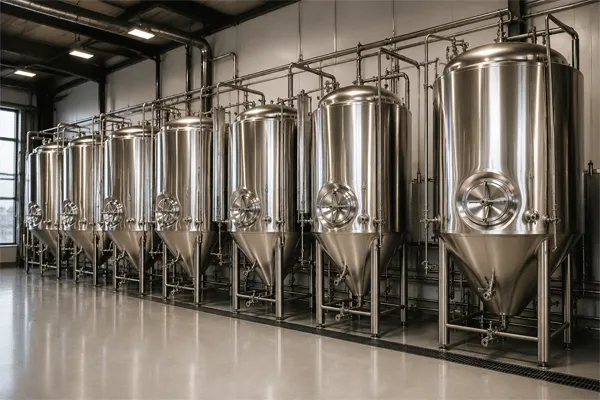
В чем разница между форфасом и бродильной емкостью?
Главное различие между форфасом и бродильной емкостью заключается в стадии пивоваренного процесса, на которой задействован каждый из аппаратов. В бродильной емкости дрожжи перерабатывают сахара сусла в алкоголь и углекислый газ. В форфасе же сброженное пиво осветляется, карбонизируется, хранится и подготавливается к розливу или подаче.
На профессиональной пивоварне эти две емкости используются совместно как часть единого производственного цикла:
| Тип резервуара | Основное назначение | Типичный этап |
|---|---|---|
| Бродильный танк | Дрожжи перерабатывают сахара в спирт и углекислый газ | Первичное брожение |
| Форфас (Brite Tank) | Осветление, карбонизация, хранение, подготовка к розливу | После брожения |
| Unitank | Брожение и созревание в одной емкости | Комбинированный процесс |
Исходя из нашего опыта как производителя пивоваренного оборудования, многие клиенты в первую очередь обращают внимание на мощность варочного порядка, недооценивая при этом важность правильного подбора емкостей. Сбалансированная система требует согласования бродильных мощностей, объемов хранения, сортов пива и планов по фасовке.
Грамотный подбор емкостей повышает эффективность производства, сохраняет качество пива и обеспечивает условия для дальнейшего масштабирования пивоварни. Независимо от того, управляете ли вы небольшой крафтовой пивоварней, тапрумом или коммерческим заводом, понимание этих различий поможет инвестировать средства с умом.
Как работает бродильная емкость в процессе пивоварения?
Бродильный чан — одна из важнейших частей пивоваренного оборудования, ведь именно в нем сусло превращается в пиво. После того как в варочном цехе завершаются затирание, кипячение и охлаждение, сусло поступает в ферментер. Затем вносятся дрожжи, и начинается процесс брожения.
Во время брожения дрожжи потребляют сахара, вырабатывая спирт и углекислый газ. Системы терморегуляции поддерживают оптимальные условия, позволяя пивовару сформировать необходимый вкусовой профиль. Для разных стилей пива требуются различные температуры сбраживания, дрожжевые штаммы и сроки ферментации.
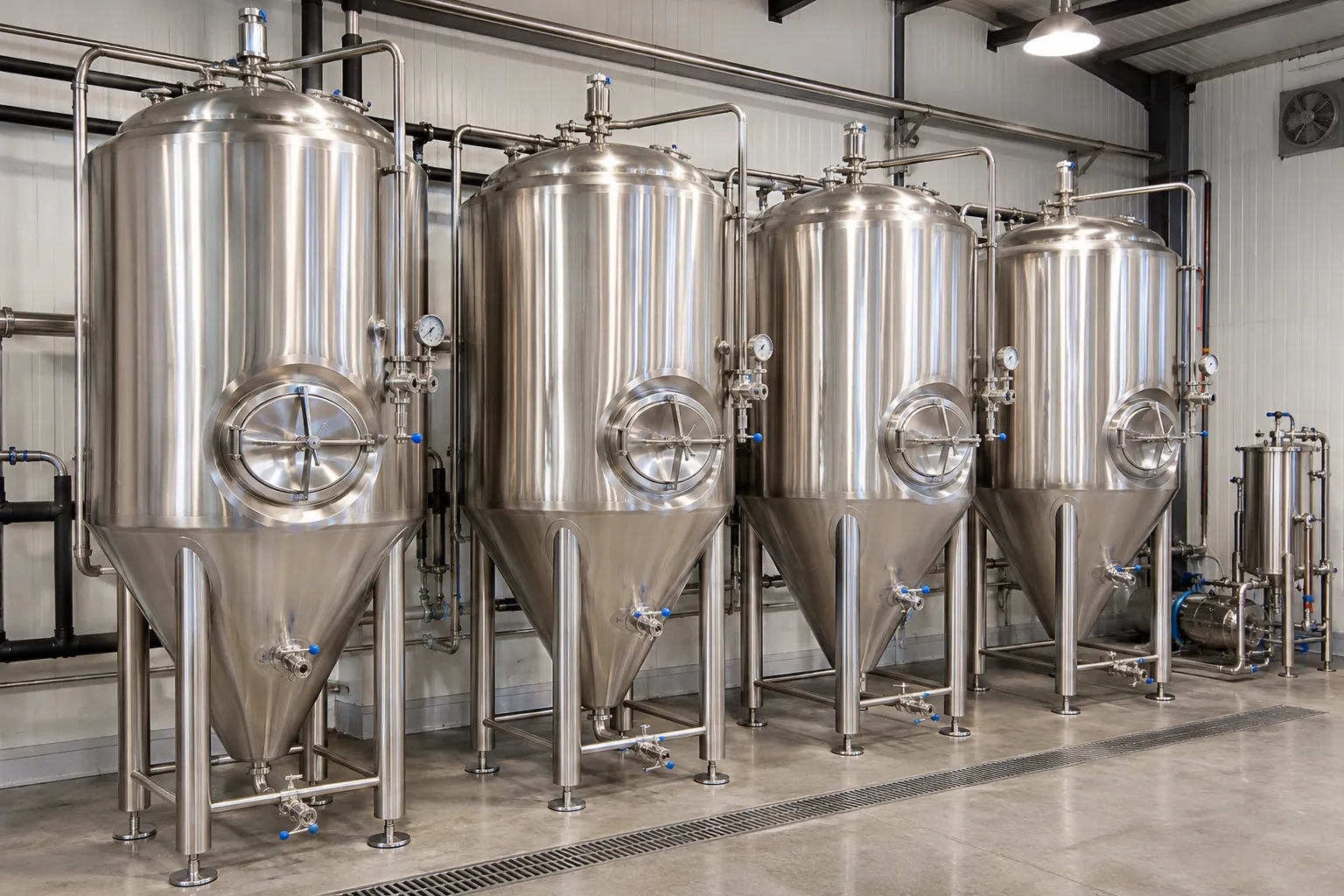
Большинство современных бродильных емкостей (ЦКТ) имеют коническое дно. Это позволяет дрожжам скапливаться в нижней части танка, что облегчает их съем, мойку емкости и перекачку пива.
К основным особенностям бродильных емкостей относятся:
- Гигиеническая конструкция из нержавеющей стали
- Рубашки охлаждения для контроля температуры
- Конструкция, рассчитанная на давление
- Коническое дно для сбора дрожжей
- Возможность CIP-мойки
- Краны для отбора проб
- Системы контроля давления
Бродильная емкость обычно используется для стадии первичного брожения, но некоторые пивоварни также применяют ее для последующей выдержки (дображивания). Точный технологический процесс зависит от рецептуры пивовара и производственных задач.
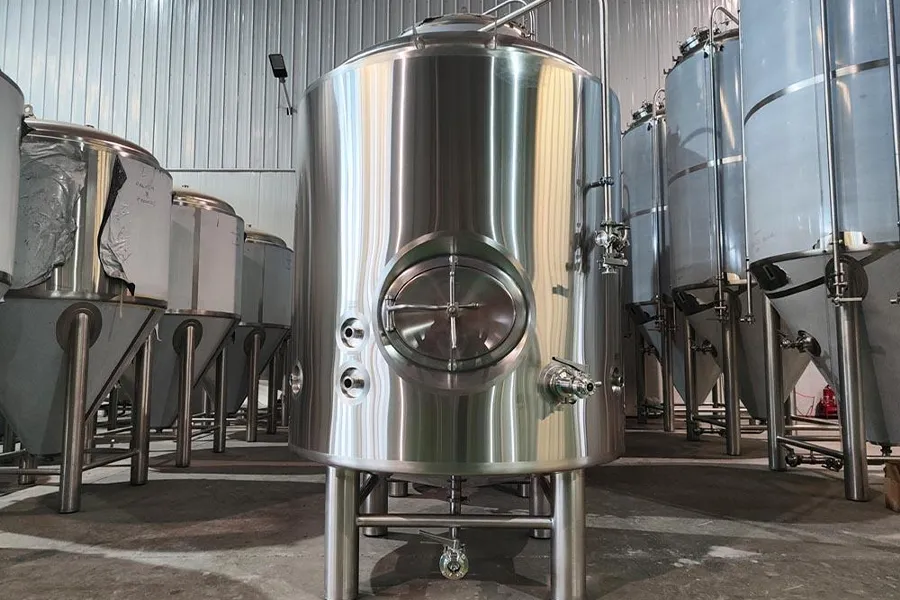
Для чего на пивоварне используется брайт-танк?
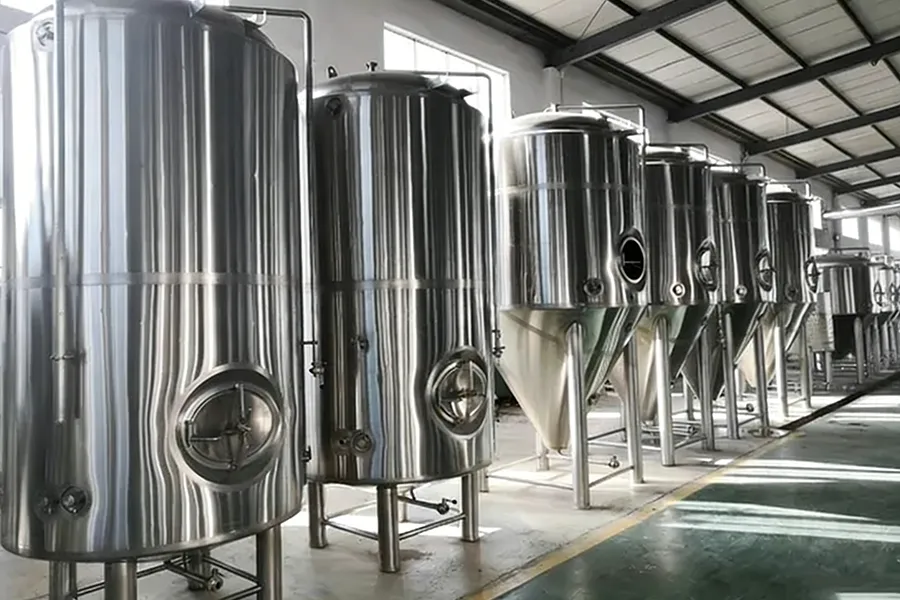
Форфас — это емкость для финишной обработки, применяемая после брожения. Пиво перекачивается из ферментера в форфас для осветления, карбонизации и окончательной подготовки перед фасовкой или подачей.
В отличие от бродильных емкостей, форфасы (brite tanks) не предназначены для активного дрожжевого брожения. Их цель — доводка пива. Пивовары используют их для осветления напитка, стабилизации его качества и подготовки готового пива к подаче клиентам.
Стандартный технологический процесс в форфасе включает в себя:
- Перекачка сброженного пива из ферментера
- Регулировка температуры
- Карбонизация
- Осаждение взвешенных частиц
- Контроль качества
- Розлив в кеги, банки или бутылки
Брайт-танки особенно ценны для пивоварен, производящих пиво в больших объемах, поскольку они обеспечивают дополнительную вместимость для хранения между брожением и розливом.
Для тапрумов и крафтовых пивоварен использование форфаса также помогает повысить стабильность напитка при подаче. Пиво можно карбонизировать и хранить в контролируемых условиях, не подавая его потребителям напрямую из емкостей брожения.
Зачем пивоварням нужны и форфасы, и бродильные чаны?
A professional brewery usually benefits from having separate tanks because each vessel performs a specialized role. Fermentation tanks focus on creating beer. Brite tanks focus on finishing and preparing that beer.
Using dedicated vessels provides several advantages:
| Advantage | Benefit |
|---|---|
| Better process control | Each stage receives the correct environment |
| Higher production efficiency | Fermenters can start new batches sooner |
| Improved clarity | Brite tanks support settling and filtration |
| Easier scheduling | Packaging can happen independently from fermentation |
| Better quality consistency | Brewers control each step separately |
For example, once beer leaves a fermenter, that vessel becomes available for another batch. Meanwhile, the brite tank can hold finished beer until packaging or customer demand requires it.
This separation becomes increasingly important as a brewery grows. Many craft breweries start with a simple setup, then add brite tanks when production volume increases.
Can Unitanks Replace Fermentation Tanks and Brite Tanks?
Yes, unitanks can combine fermentation and conditioning functions in one vessel. A unitank allows the brewer to ferment and carbonate beer in the same tank, reducing the number of vessels required.
For a small craft brewery or startup operation, using a unitank can reduce initial investment and save floor space. It also simplifies the beer brewing process because beer does not need to be transferred between multiple tanks.
However, unitanks have limitations. When one tank contains beer throughout the entire fermentation and conditioning period, it cannot immediately receive a new batch. This can affect production scheduling.
The choice between unitanks and brite tanks depends on:
- Production volume
- Доступная площадь
- Beer styles
- Packaging schedule
- Expansion plans
A small craft brewery may prefer unitanks because they require fewer pieces of equipment. A growing commercial brewery may choose separate fermentation tanks and brite tanks for greater flexibility.
What Tank Features Should Brewers Compare Before Buying?
When choosing brewery tanks, buyers should look beyond capacity. The construction quality, control system, and serviceability directly influence daily operation.
Important tank features include:
Конструкция из нержавеющей стали
High-quality stainless steel helps maintain sanitary conditions and supports long service life. Product-contact surfaces should be designed for easy cleaning and inspection.
Контроль температуры
Precise temperature control affects yeast performance and final flavor. Cooling jackets and reliable control systems help maintain consistent fermentation conditions.
Pressure Capability
Both fermenters and brite tanks may operate under pressure. Proper pressure ratings are essential for safe operation and carbonation control.
Cleaning Design
A good tank should support efficient CIP cleaning. Reducing manual cleaning time improves production efficiency and lowers contamination risk.
Internal Finish Quality
Smooth internal surfaces reduce residue buildup and make cleaning easier. This supports stable beer quality throughout production.
As a customized brewing equipment supplier, we design stainless steel tanks according to customer capacity requirements, layout conditions, and production goals.
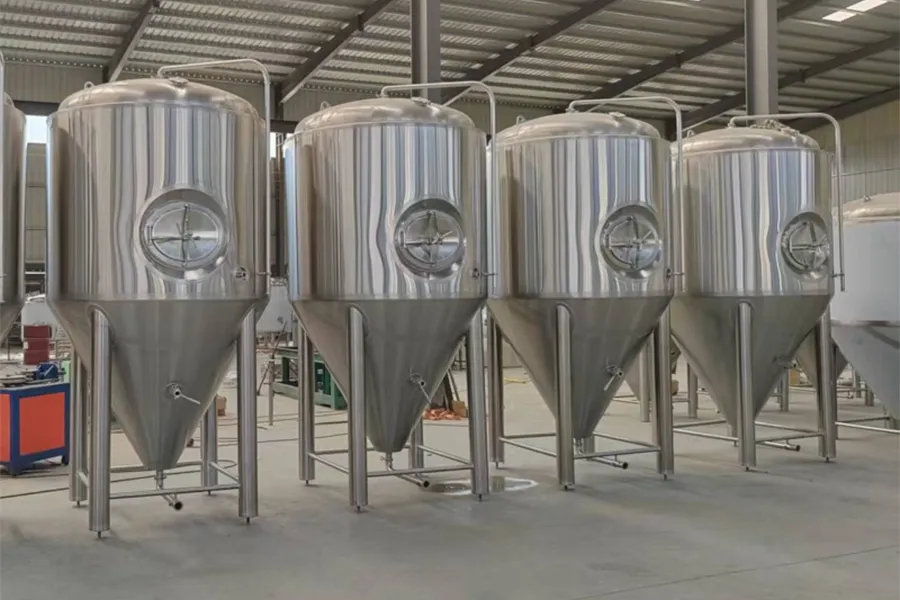
How Does Tank Selection Affect Beer Quality?
Tank selection influences many parts of the brewing process, from yeast management to carbonation. A poorly matched system can create scheduling problems, inconsistent flavors, or unnecessary transfers.
During fermentation, the brewer controls yeast activity and allows sugars to become alcohol and carbon dioxide. After fermentation, the brite tank helps improve clarity, carbonation level, and serving readiness.
The separation between tanks also reduces unnecessary movement of beer. Every transfer creates another opportunity for oxygen exposure or contamination. A well-designed system protects the beer throughout the fermentation process.
For breweries producing different beer styles, tank flexibility becomes even more important. A lager may require longer maturation, while some ales may move faster from fermentation to packaging.
How Many Fermentation Tanks and Brite Tanks Does a Brewery Need?
There is no universal number because every brewery has different production goals. The number of tanks depends on batch size, fermentation time, beer styles, sales demand, and packaging frequency.
A simple planning method is:
| Question | Почему это важно |
|---|---|
| How much beer do you plan to produce monthly? | Determines total capacity |
| How long does each beer style ferment? | Determines tank occupation time |
| How many products do you sell? | Determines flexibility |
| How often do you package? | Determines storage requirements |
A brewery producing several seasonal beers may need more tanks than a brewery producing only one or two core products.
For example, a small brewery may begin with several unitanks, while a larger production brewery may use multiple fermenters connected with dedicated brite beer tanks.
The goal is not simply buying more tanks. The goal is creating a system where each tank supports the entire production schedule.
Should a Startup Brewery Buy Brite Tanks or Unitanks First?
For startup breweries, budget and production plans usually determine the answer. A new brewery often wants to control startup costs while keeping room for future growth.
Unitanks can be attractive because they reduce the initial equipment list. They allow a new brewer to ferment, condition, and carbonate beer using fewer vessels.
However, breweries planning rapid growth, distribution, or multiple beer styles may benefit from separate fermenters and brite tanks from the beginning.
Before investing, consider:
- Expected annual production
- Number of beer styles
- Taproom demand
- Packaging plans
- Available production space
- Future expansion goals
A brewery equipment manufacturer like us normally reviews these factors before recommending a tank configuration. The best solution is not always the largest system. It is the system that fits the business model.
How Can a Brewery Equipment Manufacturer Help Choose the Right Tank?
Selecting tanks is part of a larger brewery design process. A professional supplier should review the complete production flow, including the brewhouse, fermentation area, cellar layout, cooling system, cleaning system, and packaging requirements.
Our team provides customized пивоваренные системы из нержавеющей стали, fermentation tanks, brewhouse solutions, and turnkey brewery projects for global customers. We work with craft breweries, brewpubs, beverage startups, and commercial breweries to develop practical equipment configurations.
A complete project review usually includes:
- Production capacity planning
- Tank quantity calculation
- Layout optimization
- Utility requirements
- Installation guidance
- Operator training
- After-sales support
A well-designed brewery setup allows brewers to focus on creating high-quality beer instead of solving avoidable equipment problems.
Часто задаваемые вопросы
Can I use a fermentation tank as a brite tank?
Some tanks may have overlapping capabilities, but fermentation tanks and brite tanks are designed for different jobs. A fermentation tank supports yeast activity, while a brite tank focuses on clarification, carbonation, and final beer preparation.
Are unitanks better than separate fermentation tanks and brite tanks?
It depends on the brewery size and production goals. Unitanks save space and reduce equipment requirements, while separate tanks provide more scheduling flexibility for larger breweries.
How long does beer stay in a brite tank?
The time depends on the beer style, carbonation requirements, and packaging schedule. Some beer may stay briefly before packaging, while other products may require additional conditioning.
Do all breweries need brite tanks?
Not all breweries need them immediately. Smaller operations may start with unitanks, but breweries with higher output often add brite tanks to improve workflow and packaging efficiency.
What is the main difference between a fermenter and a bright tank?
A fermenter creates beer through yeast activity. A bright tank, also called a brite tank, stores finished beer after fermentation and prepares it for serving or packaging.
Key Points to Remember
- A fermentation tank creates beer through yeast activity, while a brite tank finishes and prepares beer.
- Brite tanks support carbonation, clarification, storage, and packaging.
- Unitanks combine fermentation and conditioning in one vessel.
- The best tank choice depends on production volume, beer styles, space, and growth plans.
- A complete brewery system should balance brewhouse capacity, fermenters, brite tanks, cooling, cleaning, and packaging.
- Working with an experienced brewery equipment manufacturer helps reduce project risks and create a reliable long-term brewing solution.