A shiny brewhouse can look like the heart of your new brewery. But if its tanks, cooling system, or packaging plan cannot keep up, you may face delays before your first busy season. Choose equipment around the beer you expect to sell, then check that every part of the process can support it.
To choose brewery equipment for a startup, begin with a realistic sales and production plan. Select a brewhouse that fits your brew schedule, enough fermenters for your beer styles, and utilities that support both. Then plan cleaning, quality checks, packaging, installation, and future growth. A matched system is more useful than an oversized brewhouse on its own.
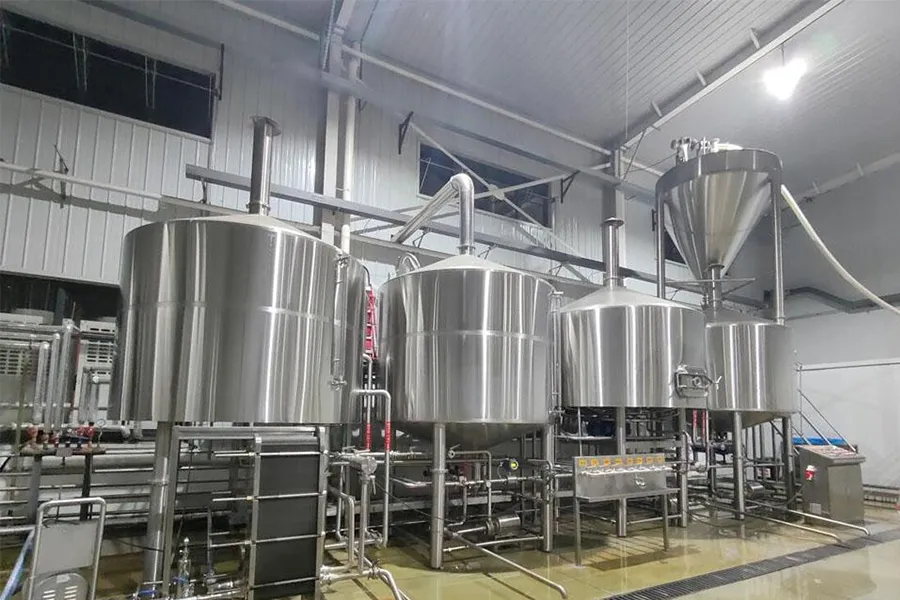
What brewery equipment do you need to start a brewery?
The essential equipment follows the path from ingredients to finished beer. You need a way to prepare hot water, mix it with grain, separate the liquid, boil it, cool it, ferment it, clean the equipment, and transfer the result into containers. The exact vessel arrangement depends on your recipes, production target, and available space.
Use this list as the starting point for a supplier discussion, not as a universal purchase order:
| Production step | Main equipment | What to check |
|---|---|---|
| Hot-side brewing | Mash and lauter vessels, brew kettle, hot-water system | Usable volume, brew-day time, heating method |
| Wort transfer and cooling | Sanitary pump, piping, heat exchanger | Flow rate, cleaning access, cooling demand |
| Fermentation | Ферментеры and temperature control | Working volume, vessel count, beer-style schedule |
| Очистка | CIP equipment, hoses and fittings | Cleaning procedure and safe access |
| Quality checks | Sampling points and basic measuring tools | Repeatable records and trained operators |
| Packaging | Kegging or other packaging equipment | Sales channel, run size, storage needs |
That list extends beyond the brewhouse for a reason. As the Brewers Association’s production resources show, cleaning, fermentation, cellaring, and packaging are all parts of making quality beer. Your purchasing plan should cover the entire brewing workflow, including the less visible tasks between brews.
How should a startup set its beer production target?
Begin with your business plan. How much beer do you expect to sell through the taproom? How much will go to other venues or distributors? Will you launch with one core recipe or several rotating products? Write a monthly forecast for each sales channel. It will be imperfect, but it gives you a better basis for choosing equipment than an attractive vessel size.
Turn that forecast into a weekly brew schedule. Separate an ordinary week from your busiest expected weeks, and allow time for maintenance, cleaning, holidays, and staff training. For example, two brews per week on a given system create a different production plan from one brew per week on that same system. The key question is whether your people and facilities can keep that schedule.
Do not treat vessel volume as finished sales volume. Some wort and beer will remain in equipment or be lost during transfers and packaging. Use estimates from your own trials or an experienced brewer, document the assumptions, and revise them once production begins. For startup breweries, this simple record makes later equipment decisions much easier.
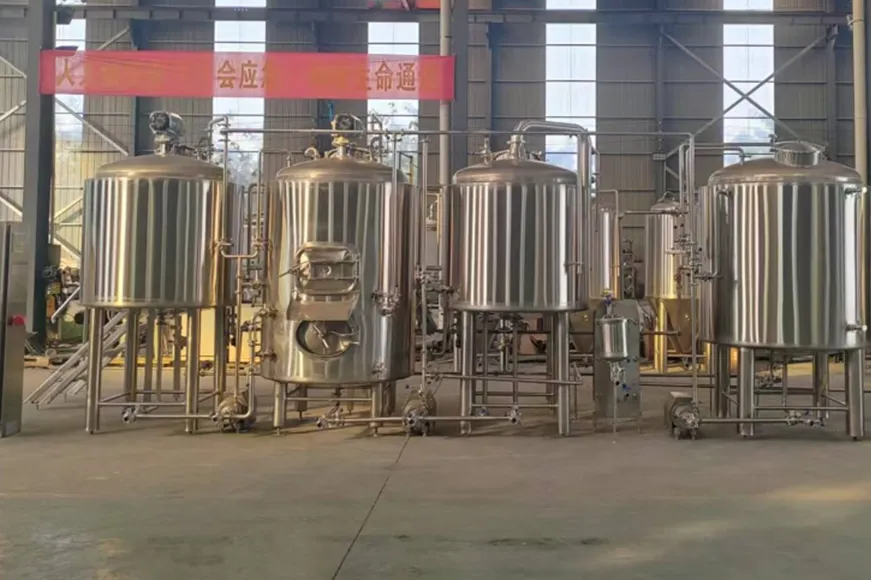
How do you choose the right brewhouse?
Choose the right brewhouse by working backward from the volume you need in a normal and a peak week. Then decide how many times your team can reasonably brew. Ask the manufacturer whether its quoted capacity means vessel volume or expected wort output, and what recipe and operating assumptions sit behind the figure.
The arrangement of vessels changes the workday. A compact system can suit a small brewery with fewer scheduled brews. A layout that lets operators perform some tasks in parallel may help when the schedule becomes busier. Compare proposals using a sample brew-day timeline, including preparation, mash, separation, boil, cooling, transfer, and cleaning.
Also ask what happens when recipes vary. Grain-heavy products may put different demands on a mash tun than lighter ones. If you expect frequent small releases, ask whether the proposed system can handle them alongside your regular products. The best brewhouse is the one that supports the beer you want to make and sell, with a schedule your team can maintain.
Which vessels and parts matter during the brewing process?
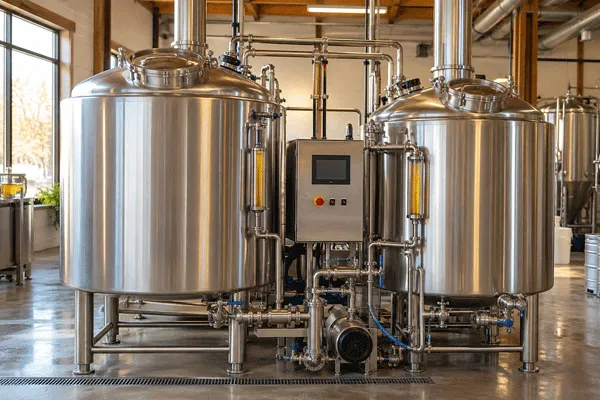
A brewer starts by mixing milled grain with hot water in a mash vessel. After separating the sweet liquid from the grain, the brewhouse sends that liquid—called wort—to the kettle for boiling. The team can add hop ingredients according to the recipe, then cool the wort before it reaches a fermentation vessel.
The names on equipment quotations can be confusing. One proposal may combine functions in a single vessel; another may separate them. Ask each supplier to identify where every stage of the brewing process occurs and what an operator must do between stages. That comparison is more useful than counting vessels without understanding their jobs.
Smaller components deserve attention too. A pump must suit the intended liquid and transfer task. A heat exchanger must cool wort at a pace that fits the brew day. Ask how operators will reach valves, connections, and internal surfaces for inspection and cleaning. Practical details affect both daily work and the consistency of each brew.
How many fermenters should a microbrewery buy?
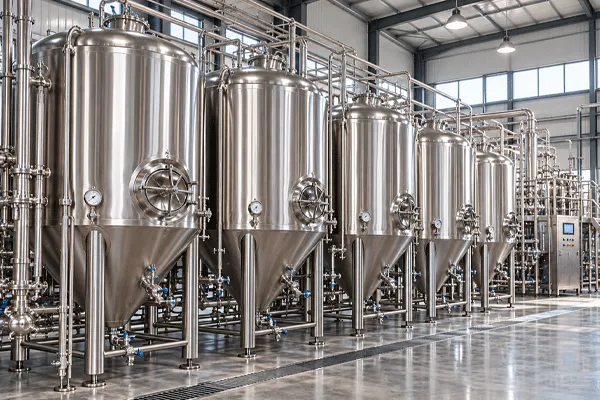
A brewhouse may be ready for another brew while its previous batches still occupy the fermenters. This is why fermenter count needs its own calculation. List each planned recipe, how often you will make it, and how long its vessel will be occupied through fermentation, transfer, and cleaning.
Consider a microbrewery making several beers for a taproom. It may need more separate tanks than a site making the same total volume in just one or two recipes. Different tanks allow the team to keep products apart and stagger releases. A larger vessel can help with a steady, high-volume beer, but it may be less useful for a slow-selling special.
Put your plan on a calendar before accepting a tank package. Mark each brew, expected transfer, cleaning period, and next available date. Include temperature needs: yeast activity and fermentation temperatures differ by recipe. If the schedule shows every vessel occupied on a planned brew day, adding another fermenter may help more than buying a larger brewhouse.
What cooling, water, and cleaning equipment does a brewery need?
Cooling has two jobs. The system must bring hot wort down to the temperature needed for fermentation, and it must help keep occupied tanks at their required temperatures. Ask the supplier to assess both demands together when specifying a chiller, piping, and controls. A drawing should show where the equipment sits and how it connects.
Water planning includes its supply, quality, heating, and disposal. Check what is available at the proposed site before finalizing equipment. Your brewer should understand the water used in recipes, while the project team should confirm that the site can support production and cleaning. The Brewers Association’s water resources address water quality and operational risks for breweries.
Cleaning is part of production, not an occasional extra task. Ask how each vessel and pipe will be cleaned, what CIP connections the design provides, and where operators will store and handle cleaning materials. The Brewers Association’s guidance on operating procedures recommends specific procedures suited to different equipment and tasks. Clear instructions help your team repeat the work safely and consistently.
What quality control tools should you include from day one?
You do not need to buy a large laboratory to begin keeping useful production records. You do need agreed methods for sampling and recording each brew. Basic tools may include a hydrometer, suitable temperature instruments, and clearly identified sample points. Decide who takes measurements, when they take them, and where they record the results.
Start with a short batch record: ingredients, times, temperatures, measured values, transfers, cleaning completion, and any unexpected change. These notes help a brewer investigate a result and repeat a successful recipe. They are especially valuable when several people operate the same system or when the site expands.
Look beyond individual tools when judging the quality of your equipment. Can staff inspect product-contact areas? Are connections suitable for sanitary operation? Can they clean and verify the system using a clear procedure? Quality brewing depends on the equipment, the process, and the people using both.
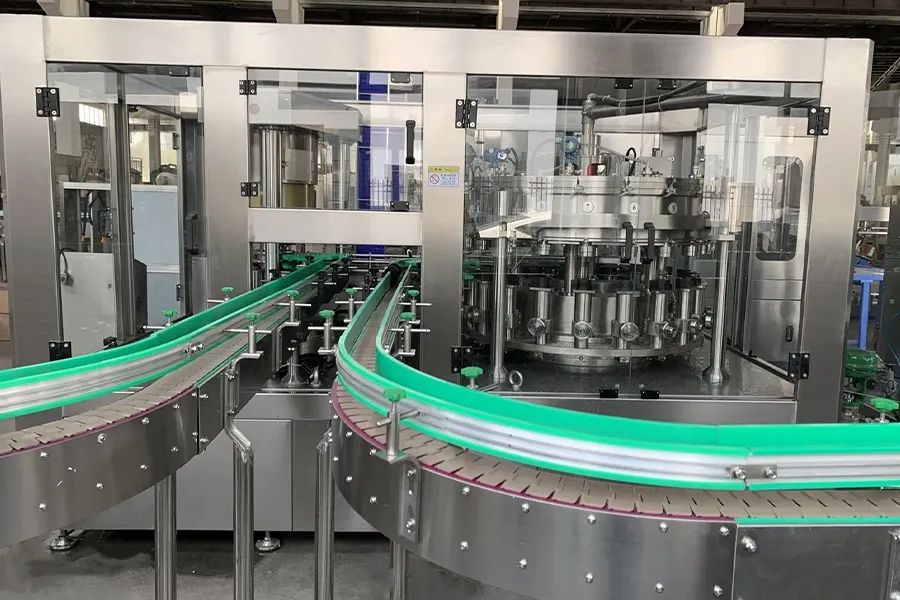
When should you buy packaging equipment?
Let your first sales channels lead this decision. A taproom selling mostly draft beer has different needs from a brand planning packaged distribution. Keg filling, container cleaning, canning, labelling, and finished-goods storage each take time and space. Do not assume the packaging stage will fit into whatever area remains after installing tanks.
Estimate how much finished beer must be ready for each packaging run. Then check whether the production schedule can supply it without leaving tanks occupied for too long. If you plan to add cans or beer bottles later, ask how the initial layout could accommodate the change. You may be able to delay some purchases while still designing a site that allows them.
Packaging also affects how beer reaches the customer. For a draft-focused operation, the Brewers Association’s Draught Beer Quality Manual covers system design, line cleaning, dispensing, and handling. If draft is central to your business, plan the serving system and its upkeep alongside production equipment.
How can you compare startup brewery equipment costs?
The lowest equipment quote is not always the lowest project cost. Compare what each offer includes: vessels, controls, piping, cooling, cleaning connections, installation support, commissioning, training, and spare parts. Ask for exclusions in writing. A missing item can delay opening even when the main vessels arrive on time.
Separate startup costs into three groups: equipment purchases, site preparation, and the money needed to begin operating. Site work may include suitable floors, drainage, utility connections, and access for delivery. Operating needs include ingredients, packaging materials, staff time, and routine maintenance. Prices vary by location and specification, so use project-specific quotations rather than a generic cost figure.
A useful comparison gives each proposal the same job to do. Send suppliers your production target, recipe mix, planned packaging, and site drawing. Then ask them to explain how their equipment solutions meet that brief. You will be able to compare capacity and support on consistent terms, rather than judging two very different systems by their headline prices.
What should you ask a brewery equipment manufacturer before signing?
Send the manufacturer a clear project brief, even if some details are still estimates. Include your expected sales channels, annual target, number of products, available building dimensions, utilities, preferred packaging, and desired launch schedule. Ask which assumptions they need you to confirm with a brewer, engineer, or local authority.
Use these questions during the proposal review:
- What wort output can the system deliver per brew, and under which recipe assumptions?
- How many brews can operators complete in a normal day?
- How does the proposed fermenter plan support our recipe calendar?
- Which utilities, site work, and connections are included or excluded?
- How will staff clean, inspect, and service the product-contact equipment?
- What training, installation support, documentation, and after-sales service are available?
- Where can we add capacity when demand grows?
For U.S. projects, equipment selection must also fit the proposed premises and approval process: the Alcohol and Tobacco Tax and Trade Bureau says that a business starting a brewery or brewpub needs to qualify for a Brewer’s Notice. Requirements elsewhere differ, so confirm the applicable rules for your site before you commit to its layout.
We manufacture customized stainless steel brewhouse systems, fermentation tanks, and turnkey brewery solutions for B2B projects. When reviewing a proposal, we would want to see the whole route from ingredients to packaged beer, plus the installation and service plan that keeps it working. Share your target output and floor plan with us, and we can help develop an equipment configuration for your project.
Часто задаваемые вопросы
Can home brewing equipment support a commercial brewery?
Equipment used to make beer at home can help you develop recipes and skills, but a commercial project needs a plan for repeatable production, sanitary operation, cleaning, packaging, and the rules that apply to its site. Assess the complete commercial workflow before choosing a system.
Should I start a microbrewery with the largest system I can afford?
Usually, sales demand and operating capacity should guide the purchase. A larger system needs matching tanks, utilities, space, and staff time. Model a realistic launch schedule and a growth scenario before deciding what to install first.
Do I need a mash tun and a brew kettle?
For a brewery producing wort from grain, the process needs the functions of mashing, separating liquid from grain, and boiling. Equipment can arrange those functions in different vessels. Ask the supplier to show exactly how its proposed configuration performs each step.
What causes off-flavors in beer?
There can be several causes, including ingredients, process control, cleaning, and handling. If a result changes, review the batch record and investigate the relevant step rather than assuming one piece of equipment caused it. Consistent measurements make that review more useful.
Can one brewery system also make other beverages?
Some stainless steel vessels may suit more than one beverage process, but cider, kombucha, coffee, wine, and spirits have different production and cleaning needs. Tell the manufacturer what you intend to make so the proposed equipment and layout can be assessed for each product.
Key points to remember
- Begin with customers and a production schedule, then choose equipment to meet that plan.
- Match the brewhouse to the fermenters. A fast brew schedule needs available tank space.
- Include cooling, water, cleaning, quality checks, and packaging in the initial equipment brief.
- Compare complete project proposals, including site work, installation, training, and service.
- Plan a practical path to grow without paying for unused capacity on day one.