Struggling to understand how vodka is made and what equipment is required to produce a clean, high-quality spirit? Many new distillers overlook the importance of raw materials, fermentation, and the right distillation system, leading to inconsistent results and costly mistakes. The solution is understanding the complete production process and investing in properly designed distillery equipment.
Vodka is made by fermenting sugars from grains, potatoes, or other agricultural materials and then using specialized distillation equipment to separate and purify alcohol. Most modern distilleries use column stills, while some craft producers use a pot still. The final vodka is filtered, diluted, and bottled to achieve the desired alcohol content and flavor profile.
План статьи
1.What Is Vodka and How Is Vodka Made?
2.What Raw Materials Are Used to Make Vodka?
3.How Does Fermentation Work in Vodka Production?
4.What Equipment Is Used to Distill Vodka?
5.Pot Still vs Column Still: Which Is Better for Vodka?
6.What Happens During the Distillation Process?
7.Why Is Filtration Important for Vodka?
8.How Strong Is Vodka After Distillation?
9.How Is Flavored Vodka Produced?
10.What Equipment Does a Modern Craft Vodka Distillery Need?
11. Часто задаваемые вопросы
12.Key Takeaways
What Is Vodka and How Is Vodka Made?
Vodka is one of the world’s most popular spirits. It is a clear, neutral alcoholic beverage known for its clean taste and versatility. Traditionally, vodka originated in Eastern Europe, particularly within the famous vodka belt, where countries such as Poland, Russia, and neighboring regions developed centuries-old distilling traditions.
At its core, vodka is made by converting agricultural materials into alcohol. The process begins with a base ingredient containing either starch or sugar. Through fermentation, these materials produce alcohol, which is then purified through distillation.
Today, vodka production takes place worldwide. From large commercial plants to small craft operations, producers use advanced technology to create high-quality products with consistent flavor and purity.
| Stage | Purpose |
|---|---|
| Raw Material Preparation | Extract fermentable sugars |
| Fermentation | Convert sugar into alcohol |
| Дистилляция | Purify ethanol |
| Фильтрация | Remove impurities |
| Dilution & Bottling | Reach final ABV |
What Raw Materials Are Used to Make Vodka?
Many consumers assume that vodka only comes from potatoes, but vodka can be made from a wide variety of ingredients. The key requirement is a source of fermentable carbohydrates.
Common raw materials include:
Rye
Wheat
Corn
Maize
Sorghum
Barley
Sugar beet
Grapes
Molasses
Like potatoes
The most common type of vodka worldwide is made from grain, especially wheat and rye. These cereal grains often produce a smooth and neutral spirit.
Another popular style is potato vodka. Since potatoes contain large amounts of starch, producers must first convert that starch into fermentable sugars before they can ferment it.
Some innovative vodka makers even create products made from anything capable of producing alcohol, including fruits and agricultural by-products.
How Does Fermentation Work in Vodka Production?
The journey of vodka begins with fermentation. During this stage, sugars are converted into alcohol by microorganisms.
The producer first creates a mash from the chosen raw material. If the ingredient contains starch, enzymes are used to break it down into sugar molecules.
Next, a selected yeast strain is added. The yeast consumes the sugar and produces ethyl alcohol and carbon dioxide.
Basic Fermentation Flow
1.Prepare mash
2.Convert starch into sugars
3.Add yeast
4.Allow fermentation process to occur
5.Produce alcohol-rich wash
The fermentation process for making vodka usually lasts between 2 and 7 days, depending on temperature, ingredients, and desired characteristics.
A well-managed fermentation is critical because it directly affects the quality of the final vodka.
What Equipment Is Used to Distill Vodka?
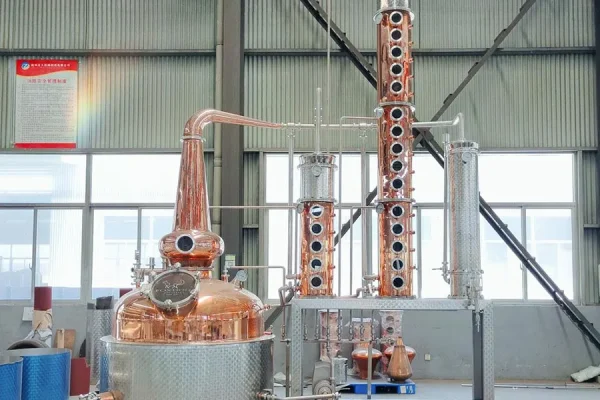
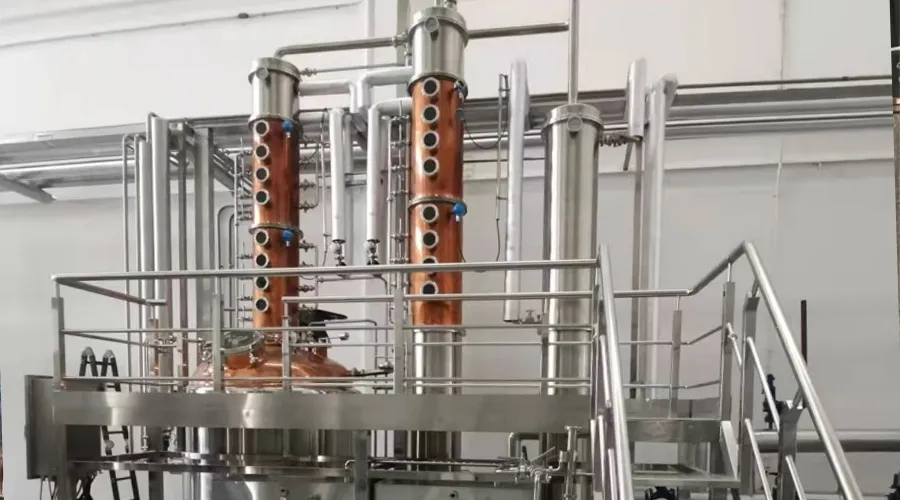
The primary equipment used to distill vodka is a still. The still separates alcohol from the fermented liquid by taking advantage of different boiling points.
Most modern distilleries rely on either a pot still or a column still.
Essential Distillery Equipment
| Equipment | Function |
| Сусловарочный цех | Prepare mash |
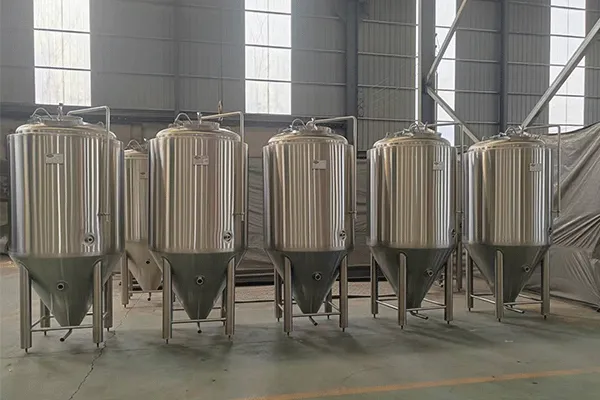
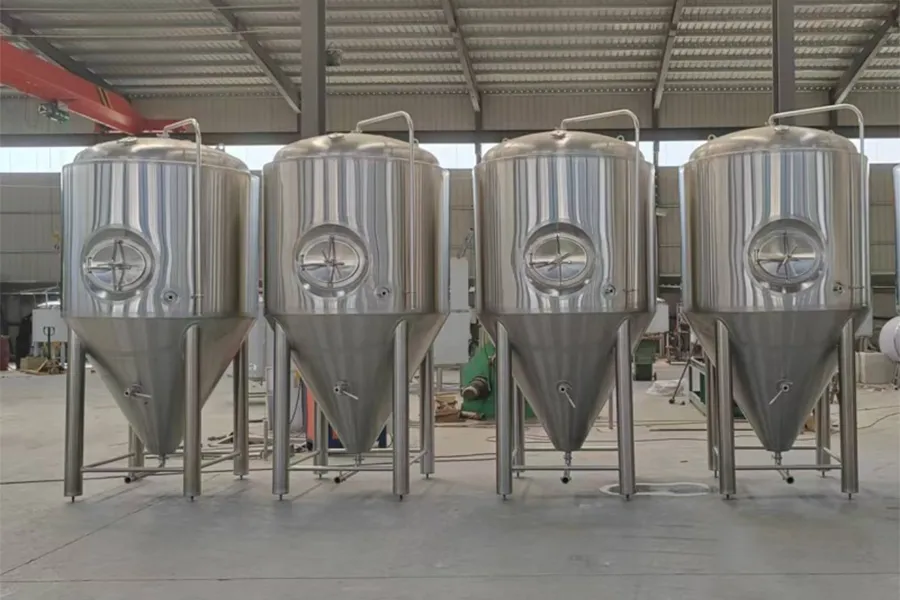
| Fermentation Tank | Support fermentation |
| Pot Still | Traditional distillation |
| Column Still | Continuous distillation |
| Filtration System | Purification |
| Storage Tanks | Spirit holding |
| Bottling Line | Packaging |
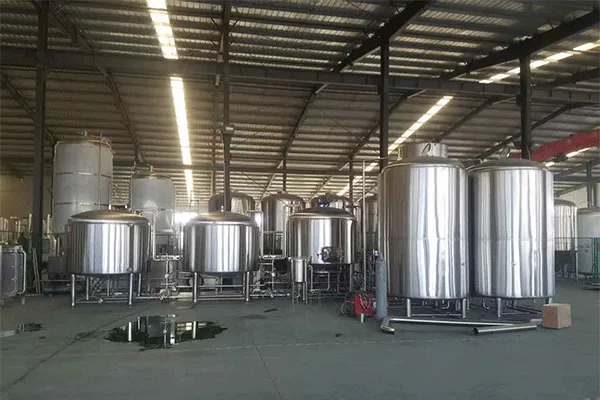
As a professional manufacturer of stainless steel brewing and beverage equipment, we frequently work with startup and commercial distilleries worldwide. Our customized stainless steel fermentation tanks, distillation support vessels, storage tanks, and turnkey processing systems help producers improve efficiency, maintain sanitation standards, and reduce production risk.
Reliable equipment design is essential because every stage of vodka production depends on consistency and cleanliness.
Pot Still vs Column Still: Which Is Better for Vodka?
Many people wonder whether a pot still or a column still is better for producing vodka.
A pot still is commonly used in small-scale and craft vodka operations. It often retains subtle character from the raw material, creating a more distinctive spirit.
A column still, by contrast, is designed for continuous operation and higher purity. Most commercial producers use a column still because it produces a highly refined neutral spirit.
| Особенность | Pot Still | Column Still |
| Production Volume | Ниже | Выше |
| Purity | Moderate | Very High |
| Flavor Retention | Выше | Ниже |
| Craft Applications | Excellent | Good |
| Commercial Scale | Limited | Excellent |
Many premium brands rely on sophisticated column systems to achieve exceptional purity.
What Happens During the Distillation Process?
The distillation process begins when the fermented wash enters the still and is heated.
Alcohol vaporizes before water because ethanol has a lower boiling point. The vapor rises through the still and is condensed back into liquid form.
Several important compounds appear during distillation:
Methanol
Ethanol
Вода
Flavor compounds
An experienced distiller carefully separates the desirable portions from unwanted compounds.
The resulting distillate contains a much higher concentration of alcohol than the original wash. Multiple rounds of distillation may be performed to achieve the desired purity.
Many commercial producers distill several times because vodka is one of the most purity-focused spirits on the market.
Why Is Filtration Important for Vodka?
After distillation, many producers perform filtration to further refine the spirit.
During this step, vodka is filtered through various media designed to remove trace compounds and improve smoothness.
Common filtration methods include:
Quartz sand
Ceramic filters
Silver filtration
Charcoal
Activated charcoal
Filtration helps remove remaining impurity compounds while maintaining product consistency.
Many consumers associate high-quality vodka with exceptional smoothness. As a result, premium producers often invest heavily in advanced filtration technologies.
The result is a cleaner, more flavorless spirit that appeals to a wide range of consumers.
How Strong Is Vodka After Distillation?
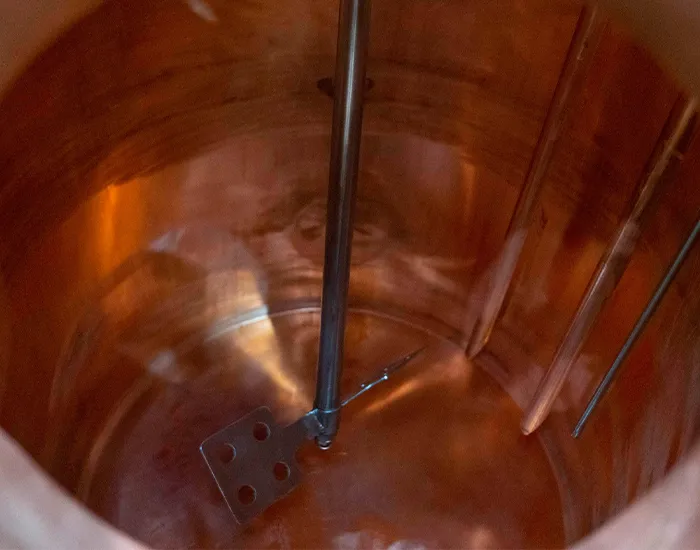
Freshly distilled vodka can emerge from the still at very high alcohol levels. In many cases, alcohol concentrations exceed 90% ABV.
However, vodka is usually diluted before bottling.
Producers add purified water to dilute the vodka and reach the desired alcohol by volume level.
Typical bottling strengths include:
| Product Type | ABV |
| Standard Vodka | 40% |
| Premium Vodka | 40%-50% |
| Overproof Vodka | 50%+ |
In many countries, legal standards require vodka to contain approximately 40 percent alcohol.
Managing alcohol content accurately is essential for regulatory compliance and flavor consistency.
How Is Flavored Vodka Produced?
The market for flavored vodka continues to grow as consumers seek new drinking experiences.
After producing a clean base vodka, manufacturers may add natural or artificial flavor ingredients.
Popular options include:
Citrus
Vanilla
Berry
Coffee
Herbs
Spices
Unlike unflavored vodka, flavored varieties focus on delivering a distinctive flavor profile while maintaining clarity and balance.
Many leading vodka brands offer dozens of flavored products to meet changing consumer preferences.
What Equipment Does a Modern Craft Vodka Distillery Need?
A successful distillery requires more than just a still. Modern producers need a complete production system.
Typical Distillery Layout
Raw Material Handling
↓
Mash Preparation
↓
Емкости для брожения
↓
Distillation System
↓
Filtration Unit
↓
Storage Tanks
↓
Bottling Line
As an equipment manufacturer serving breweries, distilleries, wineries, kombucha facilities, cideries, and beverage startups worldwide, we help clients design complete stainless steel processing systems tailored to their production goals.
Our solutions include:
Custom fermentation tanks
Stainless steel storage vessels
CIP sanitation systems
Utility integration
Process piping
Turnkey project support
Installation guidance
Long-term after-sales service
For investors and growing vodka producers, proper capacity planning can significantly reduce operational risk while improving long-term profitability.
Case Study Example
A startup spirit producer initially planned for 500 liters per batch. After reviewing growth projections, the project expanded to a 2,000-liter production system.
Results included:
Lower production cost per liter
Better scalability
Reduced future equipment replacement costs
Improved operational efficiency
This highlights why selecting experienced equipment partners is critical for sustainable growth.
Traditional Vodka vs Modern Craft Vodka
| Characteristic | Traditional Vodka | Craft Vodka |
| Production Scale | Large | Small to Medium |
| Flavor Focus | Neutral | Distinctive |
| Raw Material | Often grains | Diverse ingredients |
| Distillation Style | Column Still | Pot or Hybrid |
| Market Position | Коммерческий | Premium |
Examples include Polish vodka, modern American craft spirits, and internationally recognized products such as Absolut Vodka.
The diversity of today’s market means vodka may vary significantly in texture, aroma, and overall drinking experience.
FAQs
What is used to produce vodka?
Most producers use grains, potatoes, or other fermentable agricultural products. These materials undergo fermentation and distillation to create alcohol.
Is vodka made from potatoes?
Sometimes. While potato vodka remains popular, much of the world’s vodka is produced from wheat, rye, corn, and other grains.
How many times is vodka distilled?
There is no fixed rule. Some producers distill once or twice, while others perform multiple rounds of distillation to maximize purity.
Why is vodka filtered?
Filtration helps remove impurities and create a smoother, cleaner spirit.
What is the difference between craft vodka and commercial vodka?
Craft vodka is often produced in smaller batches and may emphasize unique ingredients and flavor characteristics, while commercial vodka focuses on large-scale consistency.
Is vodka stronger than other spirits?
Most vodka products are bottled at around 40% ABV, which is similar to many whiskies, rums, and gins.
Credible Sources
National Institute on Alcohol Abuse and Alcoholism:
Alcohol and Tobacco Tax and Trade Bureau:
Distilled Spirits Council of the United States:
Основные выводы
Vodka is a highly purified distilled spirit produced through fermentation and distillation.
Vodka is produced from grains, potatoes, sugar beets, and other agricultural materials.
The production of vodka begins with preparing a mash and completing fermentation.
Yeast converts sugars into alcohol during the fermentation stage.
A distillery typically uses either a pot still or column still to distill alcohol.
Multiple rounds of distillation improve purity and quality.
Vodka is often filtered using charcoal or activated charcoal systems.
The final vodka is diluted to the desired alcohol by volume before bottling.
Leading vodka brands combine quality ingredients, precise processing, and advanced equipment.
Investing in sanitary stainless steel systems is essential for efficient, scalable spirit production.
For growing distilleries, customized tanks, fermentation vessels, and turnkey engineering solutions can dramatically improve operational performance and product consistency.